
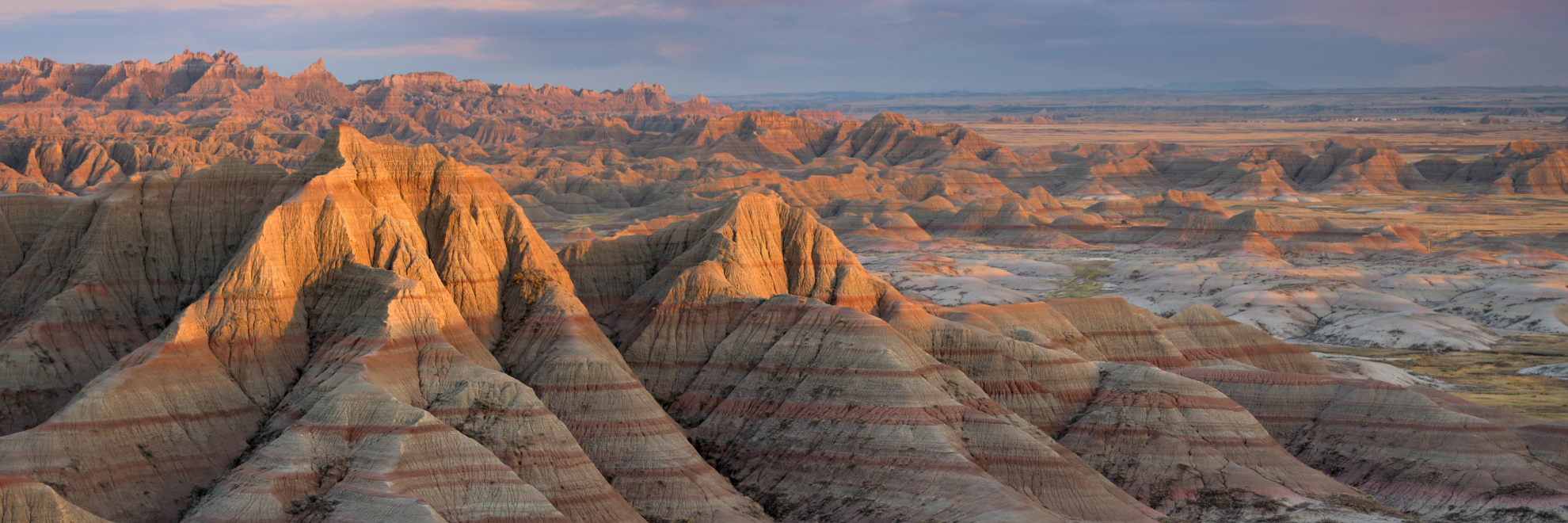
Badlands National Park, located in southwestern South Dakota, offers a striking landscape of sharply eroded buttes, pinnacles, and spires blended with the largest undisturbed mixed grass prairie in the United States. This park protects 242,756 acres of sharply eroded cliffs and spires surrounded by a sea of grass. Known for its rich deposits, Badlands contains some of the world's richest fossil beds from the Oligocene epoch, where ancient mammals like the saber-toothed cat once roamed. The park's geology showcases a mix of colors and formations caused by millions of years of sedimentation, erosion, and volcanic ash, making it a geologist's paradise.
Humans have occupied the Badlands for over 11,000 years. The area holds a special place in the history of the Lakota people, and the park today works closely with the Oglala Lakota Nation to preserve its extensive natural and cultural resources. Visitors can explore the Ben Reifel Visitor Center to learn more about the rich indigenous history through exhibits and programs.
The park is also home to diverse wildlife, including bison, bighorn sheep, prairie dogs, and the endangered black-footed ferret, which was reintroduced into the park. Birdwatchers might spot the golden eagle or the burrowing owl, among many others.
Scenic drives such as the Badlands Loop Road offer stunning views of the park's unique landscape, providing numerous overlooks and trailheads. This road, with its 39 miles of dramatic landscapes, is an excellent way for visitors to experience the park's expansive vistas. Whether it's exploring the rugged terrain by foot on trails like the Notch Trail or the Door Trail, watching a sunset illuminate the layered formations, or stargazing under its exceptionally dark skies, Badlands National Park offers a special experience for all who visit.
Badlands National Park
South Dakota
South Dakota
Badlands National Park in southwestern South Dakota is defined by eroded buttes, pinnacles and spires striped in many colors. Its rich fossil beds date to the Oligocene epoch, and the Fossil Exhibit Trail, a boardwalk, displays fossils uncovered in the park. The park protects mixed-grass prairie, home to bison, bighorn sheep and prairie dogs. The Badlands Loop Road winds past scenic overlooks and wildlife viewing spots. Hikers can use the open hike policy to roam off trail, and should bring a topographic map and water. Backpacking and backcountry camping are also options, and the designated Badlands Wilderness protects 64,144 acres of the North Unit. Ranger programs and night sky viewing round out a visit.
Park Areas
All areas →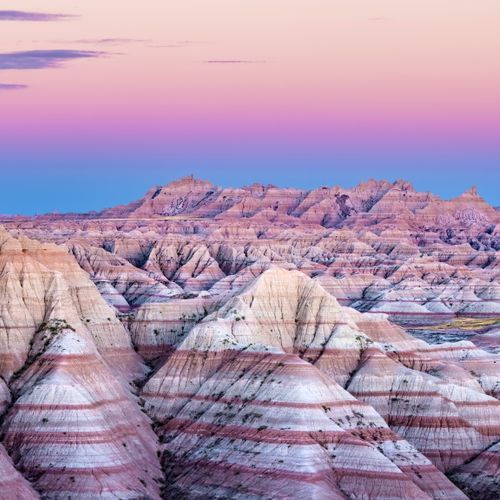
North Unit
The eastern half of this unit holds the paved Badlands Loop Road, which passes about ten overlooks and trailheads. Cedar Pass, on that side, is home to the Ben Reifel Visitor Center, with exhibits on wildlife, geology and paleontology. Across the west side stretches the 64,000-acre Badlands Wilderness Area, where the black-footed ferret was reintroduced. Eight established trails start from the Loop Road and range from easy walks to moderate climbs. The Notch Trail is a moderate 1.5-mile hike, and the Cliff Shelf Nature Trail is a 0.9-mile loop with boardwalk sections and views over the White River Valley. Keep watch for prairie dogs and bison along the way.
Stronghold Unit
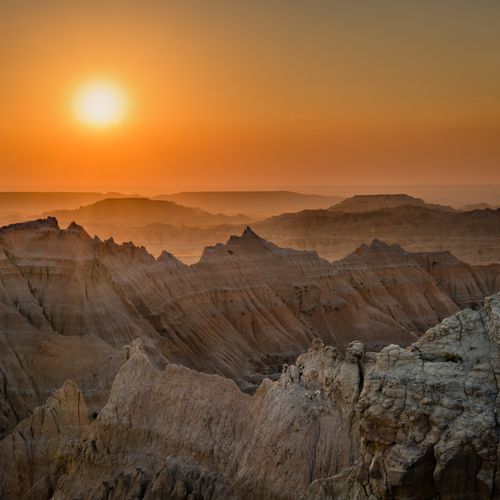
The Stronghold Unit is a largely roadless backcountry area on the Pine Ridge Indian Reservation, where the National Park Service shares management with the Oglala Lakota under a cooperative agreement. In World War II, the U.S. Army Air Force used much of the land as a gunnery range for air-to-air and air-to-ground practice, and unexploded bombs and shells from that era still lie on the ground. Anyone who spots one should leave it untouched and tell a ranger about the spot as quickly as possible. Sites connected with the Ghost Dances of the 1890s are also found in the unit, and the White River Visitor Center is located here. Away from marked routes the open ground is easy to get turned around in, so visitors heading off trail should be comfortable reading a map and navigating without signs.
Sage Creek
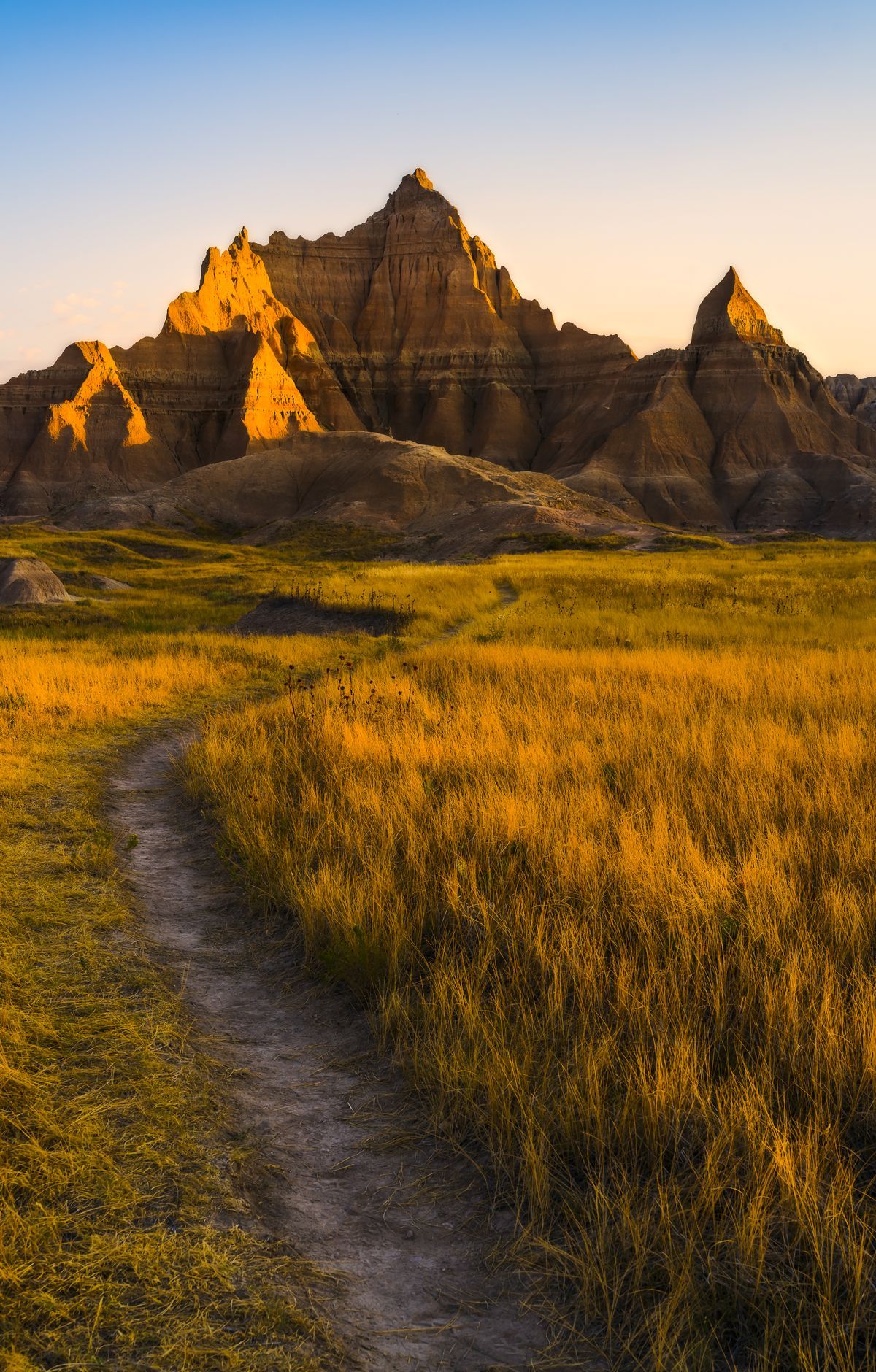
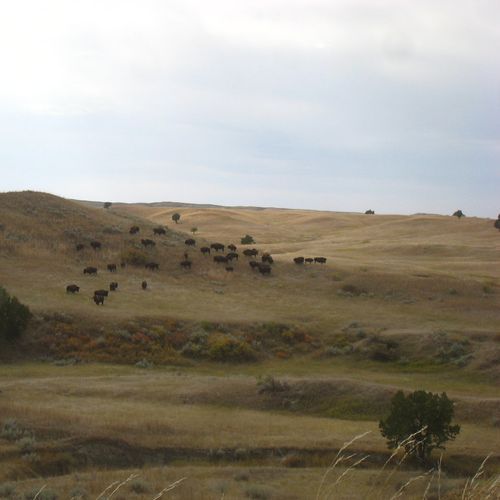
Visitors can hike off trail here, since the wilderness area has no maintained paths at all, so you follow faint trails and bison routes through tall grass on your own. The wilderness is open prairie with rounded hills. Sage Creek Rim Road, a dirt and gravel drive, runs past rounded hills and overlooks including Hay Butte and the Sage Creek Basin Overlook, which is one of several starting points for hikers. Roberts Prairie Dog Town sits along the road. Bison are a frequent sight, and pronghorn, bighorn sheep and coyotes are also seen nearby. Black-footed ferrets have been reintroduced to the wilderness. The Sage Creek Campground is a popular access point for the wilderness area.
Wilderness Area
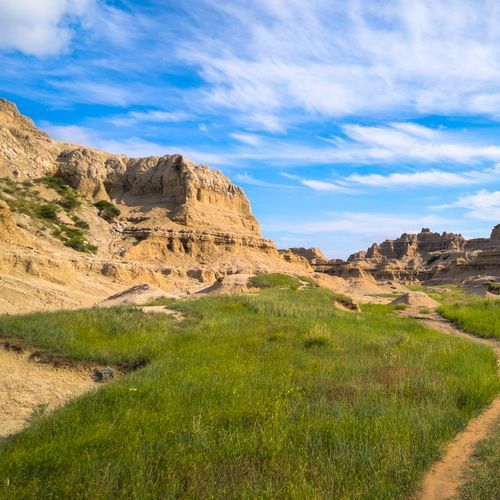
Visitors here can leave the trail altogether. Sage Creek Wilderness Area has no maintained paths, so hikers follow faint routes and bison trails through tall grass. Sage Creek Campground is a popular place to start, but hikers who would rather not drive the length of Sage Creek Rim Road can begin at the Sage Creek Basin Overlook instead. Before setting out, sign the Backcountry Register with your name and vehicle details. Bison can be seen in the distance, and the wider park is home to pronghorn, mule deer and bighorn sheep. Black-footed ferrets, which rank as the continent's most endangered land mammal, have been reintroduced to this wilderness. For a different route, Deer Haven Wilderness Area offers unmaintained trails from the Conata Picnic Area and a good chance of spotting wildlife.
Popular Hiking Trails
All trails →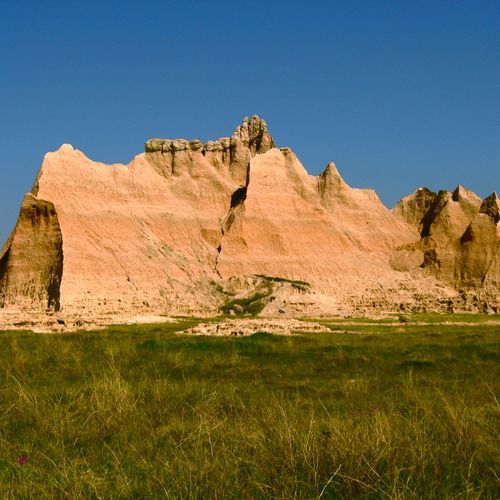
Castle Trail
Moderate10.3 mi
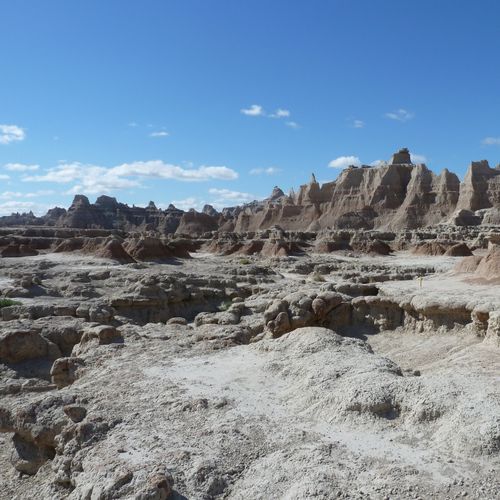
Door Trail
Easy0.9 mi
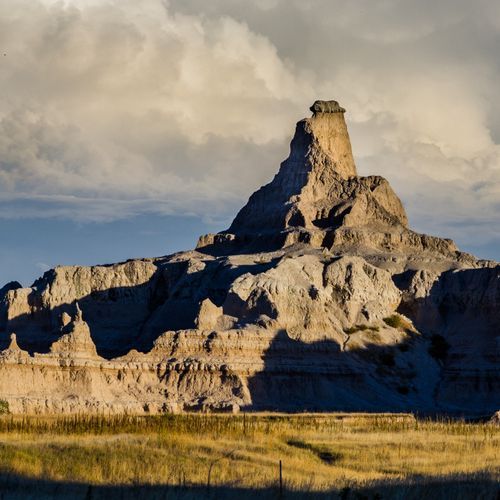
Notch Trail
Moderate1.2 mi
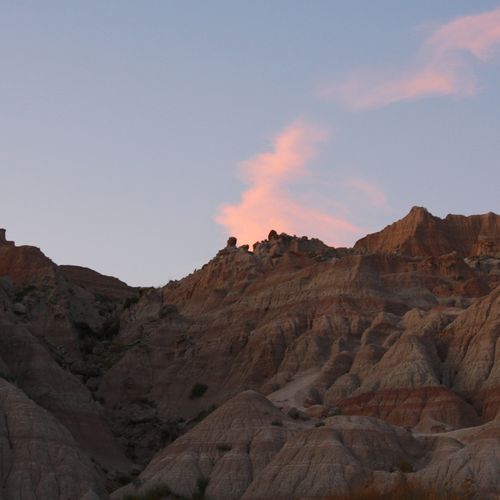
Saddle Pass Trail
Difficult0.7 mi
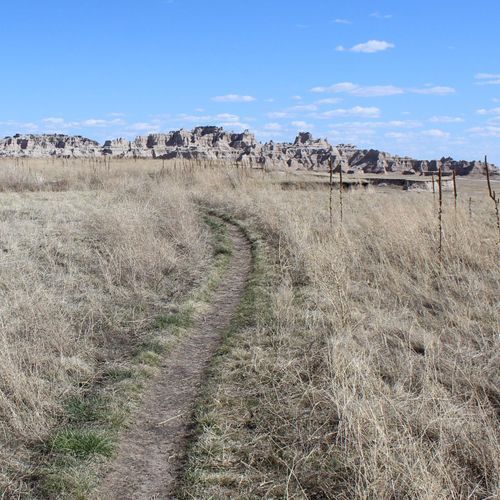
Medicine Root Trail
Easy2.1 mi
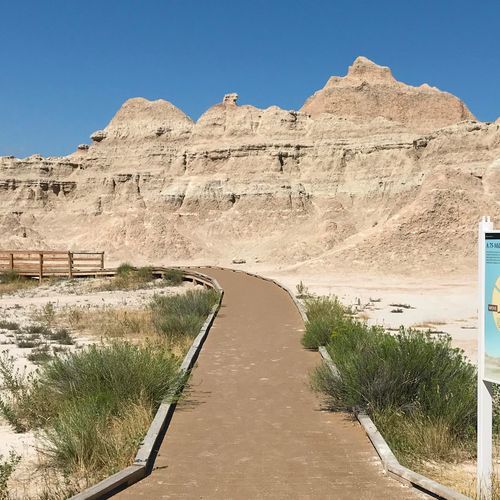
Fossil Exhibit Trail
Easy0.2 mi
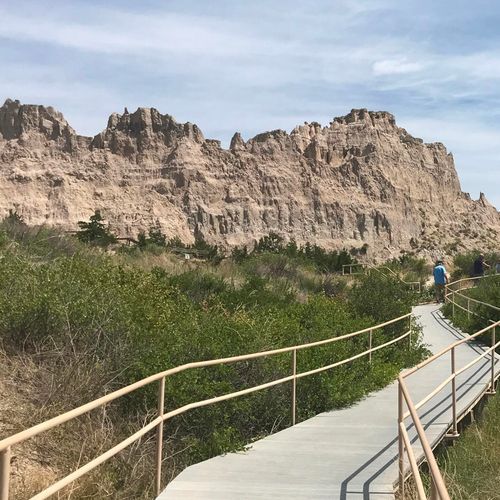
Cliff Shelf Nature Trail
Easy0.5 mi
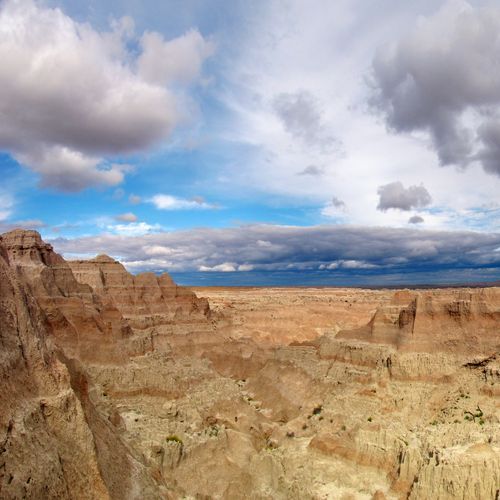
Window Trail
Easy0.2 mi
Visitor Centers
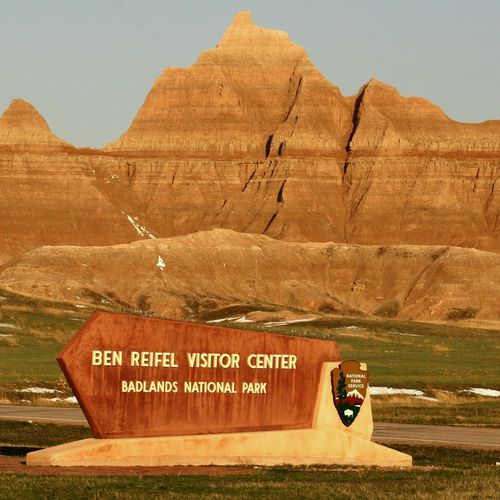
Ben Reifel Visitor Center
8:00AM - 5:00PM
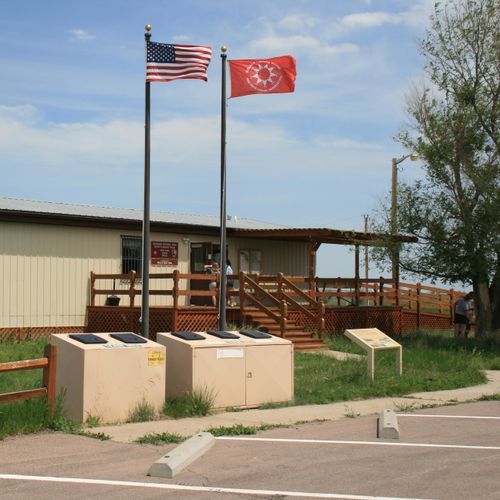
White River Visitor Center
9:00AM - 4:00PM
Campgrounds
Camping guide →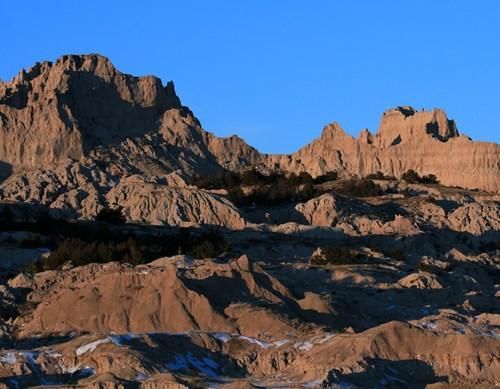
Cedar Pass Campground
North Unit
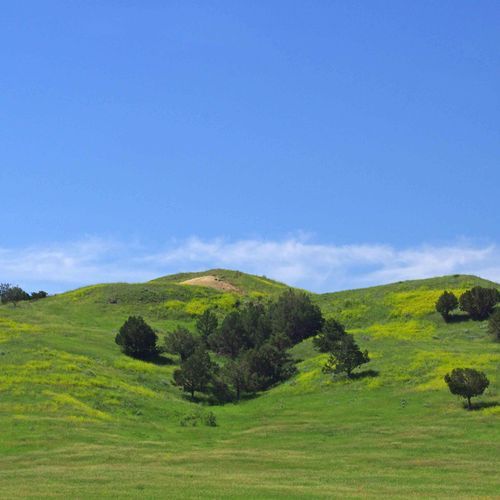
Sage Creek Campground
Sage Creek
About the Park
Park Areas
The North Unit is renowned for its striking fossil beds and expansive views of eroded buttes and pinnacles, offering a more solitary experience compared to the South Unit. It is a treasure trove of paleontological sites, revealing ancient mammal fossils, and is home to diverse wildlife, including the black-footed ferret. Visitors can explore the Badlands Wilderness Area and enjoy the expansive prairie grasslands.
The Stronghold Unit, co-managed with the Oglala Sioux Tribe, emphasizes cultural significance and offers a secluded experience. Visitors can explore the Pine Ridge Indian Reservation, gaining insight into the region's history. With scarce roads, it is ideal for solitude seekers and features unique geological formations and undisturbed wildlife.
Sage Creek provides an intimate wildlife experience, home to bison herds and prairie dogs. It is less crowded, offering a serene environment for wildlife observation. The unpaved Sage Creek Rim Road offers a scenic drive with views of rugged landscapes, favored by backcountry camping enthusiasts.
The Wilderness Area allows for unmarked trail exploration, offering undisturbed views of rugged terrain and unique geological formations. It is ideal for backcountry hiking and camping, with common wildlife sightings including bison, pronghorn, mule deer, and bighorn sheep.
The Palmer Creek Unit offers a remote experience with no established trails, challenging visitors to navigate its rugged terrain independently. Known for its rich fossil deposits, it provides a glimpse into ancient ecosystems and offers wildlife viewing opportunities, including bison and pronghorn.
Park Guides
All 11 guides →Surviving Badlands Extremes: 116°F to -40°F
Readings in the Badlands have run from a high of 116 degrees down to 40 below zero. Summer heat is dry, but thunderstorms can turn violent with little notice.
Driving the Badlands Loop Road Overlooks
Badlands Loop Road, also known as Highway 240, is the route most visitors take through the North Unit of Badlands National Park.
Notch, Castle and Saddle Pass Trails
Hiking is one of the best ways to see the rugged scenery of Badlands National Park. Most trails here are short and fairly flat, but three stand out for the different kinds of walking they offer.
Cedar Pass Telescopes and Badlands Astronomy Festival
The Badlands Astronomy Festival is an annual three-day event at Badlands National Park. Space scientists, amateur astronomers, teachers, youth groups, and park guests all gather for it.
How an Inch a Year Carves the Badlands
Water and wind are the main forces shaping Badlands National Park, and together they wear away about an inch of ground each year.
