
Wind Cave National Park, located in the southwestern Black Hills of South Dakota, is renowned for its extensive and complex cave system, one of the longest caves in the world. Notably, Wind Cave is famous for its rare and delicate boxwork formations - a honeycomb pattern of calcite that adorns the cave's ceilings and walls, found almost nowhere else on Earth.
Established in 1903, Wind Cave was the seventh national park in the United States and the first cave to be designated as a national park anywhere in the world. It also plays a critical role in the preservation of the surrounding prairie ecosystem. Above ground, the park spans more than 33,000 acres of mixed-grass prairie and ponderosa pine forest, which serves as a refuge for numerous species of wildlife. This habitat is vital for the American bison, pronghorn, and elk, all of which can be seen grazing in the park's open spaces. The park also supports a recovery program for the black-footed ferret, one of North America's most endangered mammals.
Historically, Wind Cave is deeply significant to the Lakota people, who know it as a sacred place where the buffalo emerged to provide for them, and it features in their creation stories. This intertwining of remarkable geological features and rich cultural heritage makes Wind Cave National Park a location of deep intrigue and wonder.
Visitors can explore the cave through a variety of ranger-guided tours, which delve into both the natural and cultural stories of this unique place. Above ground, hiking trails and scenic drives offer panoramic views of the prairie and forest, with opportunities to spot wildlife and enjoy the calm of the natural world.
Wind Cave National Park
South Dakota

South Dakota
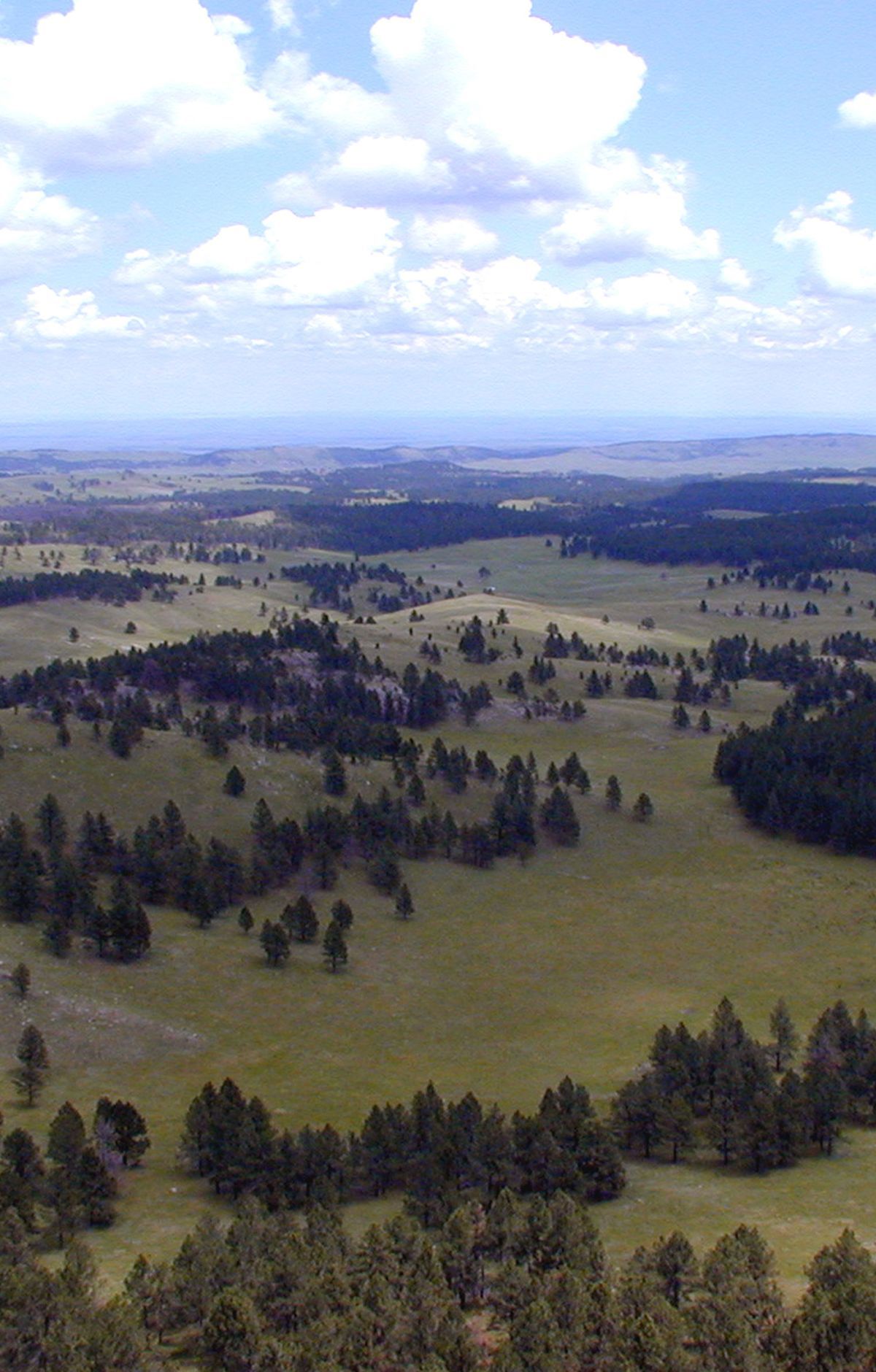
Wind Cave National Park, in South Dakota's Black Hills, is known for its cave and for boxwork, a lattice of calcite veins that erosion has exposed. Roughly 95 percent of the world's discovered boxwork lies here, and the cave ranks as the densest known cave system. Ranger-guided cave tours take visitors underground. Above ground, a sizable stretch of mixed-grass prairie among the nation's largest supports bison, elk, prairie dogs and pronghorn, making wildlife watching a highlight. Visitors can take the Wind Cave Geology Driving Tour or hike trails such as Lookout Point. The park was the first cave in the world made a national park. The Lakota regard the cave as sacred, and call it Maka Oniye, or breathing earth.
Visitor Centers
Wind Cave Visitor Center
8:00AM - 6:00PM
Campgrounds
Camping guide →
Elk Mountain Campground
About the Park
Park Guides
All 11 guides →Steady Cave, Changing Prairie: When to Visit
All cave access is by ranger-guided tour, and the cave holds a steady 54 degrees, so going underground makes sense in any season.
The Breathing Cave and Its Natural Entrance
The natural entrance is the spot where the cave appears to breathe, and it is one of the few openings Wind Cave has to the surface.
Boxwork: Wind Cave's Honeycomb Signature
Boxwork is the formation that sets Wind Cave apart. Its calcite blades are thin and cross one another, forming a honeycomb pattern.
Choosing Your Cave Tour at the Visitor Center
Every cave tour at Wind Cave National Park is led by a ranger and departs from the visitor center, so the cave cannot be explored on your own.
Hiking Rankin Ridge and Prairie Vista Trails
Rankin Ridge Trail is a one-mile loop that climbs to the highest point in Wind Cave National Park.
