
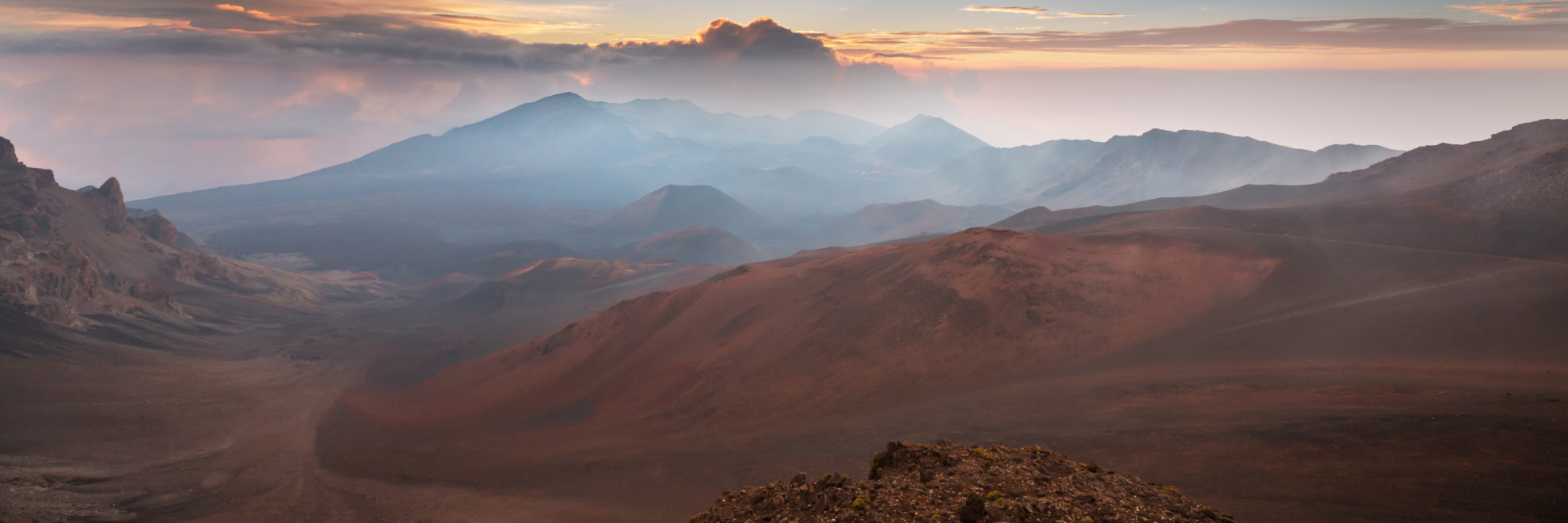
Haleakalā National Park, located on the island of Maui in Hawaii, is a place of dramatic landscapes and vibrant culture. Haleakalā, meaning 'House of the Sun' in Hawaiian, is a dormant volcano that forms more than 75% of the island. Reaching an astounding 10,023 feet above sea level, Haleakalā's summit is a prime spot for witnessing spectacular sunrises and sunsets that draw visitors from around the globe. The cultural and spiritual significance of Haleakalā as a wahi pana, or sacred site, reflects its importance in the history and folklore of the Native Hawaiian people.
Haleakalā National Park boasts a diverse range of climates and ecosystems, from lush tropical rainforests in the Kīpahulu District to the barren, otherworldly volcanic landscape of the summit area. The drive up to the summit offers breathtaking views and passes through several climate zones, from humid coastal areas to arid, alpine conditions at higher elevations. The park hosts a unique array of flora and fauna, including the endangered nēnē or Hawaiian goose and the Haleakalā silversword, a rare plant that is found nowhere else on earth.
Visitors can explore over 30 miles of hiking trails, ranging from short, leisurely walks to more challenging wilderness treks, like the Sliding Sands and Halemau'u Trails. Aside from hiking, Haleakalā National Park offers opportunities for stargazing, bird watching, and immersing oneself in the rich Hawaiian culture through educational programs.
Remember, visiting Haleakalā's summit can be as cold as winter in some climates, so wearing appropriate clothing is essential. Ensure also to respect the fragile nature of its ecosystem and cultural sites.
Haleakalā National Park
Hawaii
Hawaii
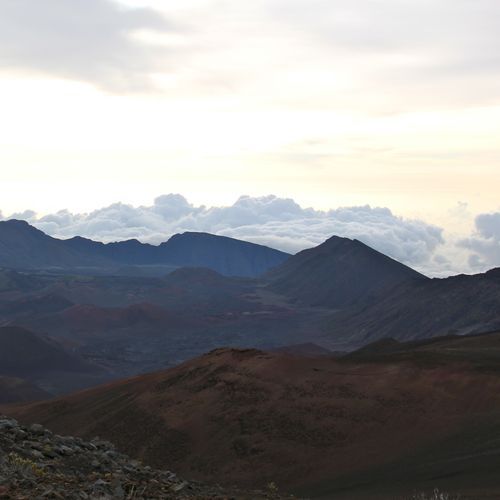
Haleakalā National Park is shaped by the dormant Haleakalā volcano, whose summit crater draws visitors to watch the sunrise. The park has two sections: the Summit District and the Kīpahulu District, where lush forests and waterfalls grow. Most of the park is Wilderness Area, with trails that run from dry terrain dotted with cinder cones into cloud forests. The Puʻuʻulaʻula (Red Hill) Overlook offers another view from the summit. Many species here are endemic, and some native birds, such as the nēnē, can be seen in the Wilderness Area. Clear, dark skies make stargazing a highlight. Hawaiian culture runs deep here, including the legend of the demigod Maui, who captured the sun to lengthen the day.
Park Areas
All areas →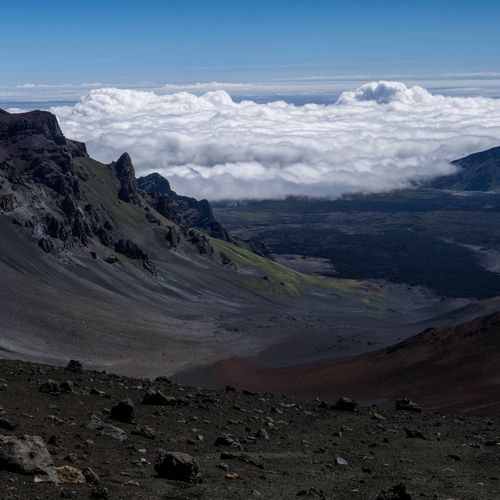
Summit District
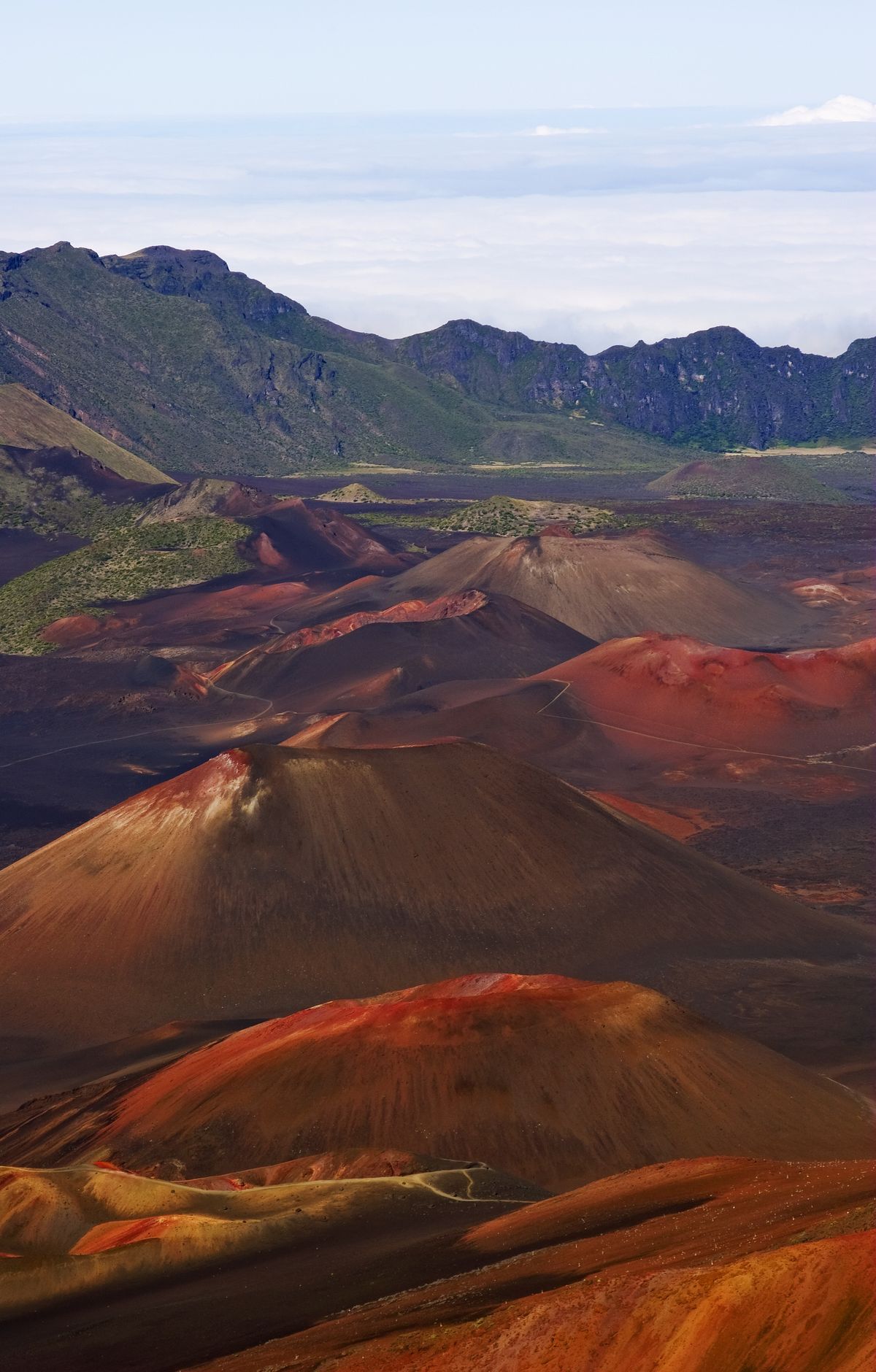
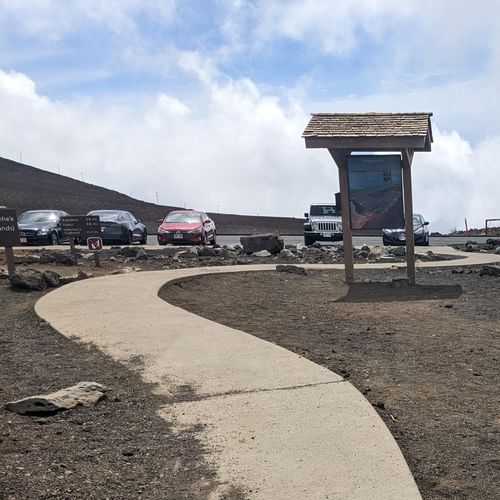
Haleakalā Crater, despite its name, is an erosional valley dotted with large cinder cones and other volcanic features. Many visitors come to the summit to watch the sunrise over the rim, then head onto the trails. Hiking ranges from a 0.5-mile self-guided nature walk at Hosmer Grove, a popular place to spot native forest birds, to the Sliding Sands Trail, which drops steeply into the valley past cinder cones, backcountry camps and cabins. Across more than 30 miles of trails, you can cross the cinder desert, where the volcano's geology is on display, or walk through native shrubland home to endemic plants and forest birds. The Haleakalā Visitor Center sits near the summit with parking and restrooms. Expect the high elevation to make the trails strenuous.
Kīpahulu District
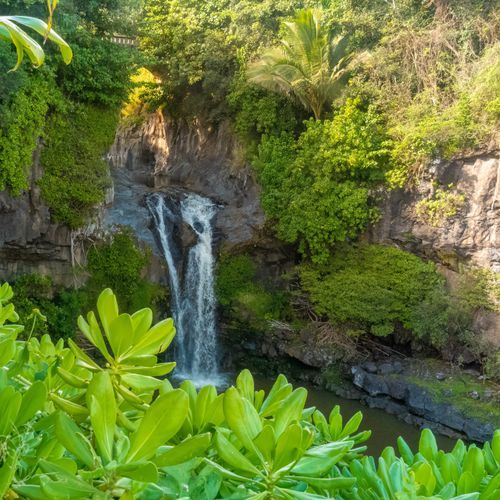
Kīpahulu is the park's coastal section, reached by a winding road around the windward side of Maui. The Pīpīwai Trail follows a freshwater stream up through diverse forest, passing Makahiku Overlook, where Makahiku Falls first comes into view, and a bamboo forest with boardwalks and footbridges. The trail ends at the base of Waimoku Falls, a 400-foot cascade. Below, the Pools of ʻOheʻo can be viewed from the Kūloa Point Trail, though entry into the pools is not allowed due to safety concerns. The streams are home to endemic fish, including the rock-climbing goby. Kīpahulu protects intact ahupuaʻa, traditional land divisions that guard resources from sea to summit, and native people have lived on this coast for centuries. Drive-up camping is available at Kīpahulu Campground, though the area is often wet and remote.
Popular Hiking Trails
All trails →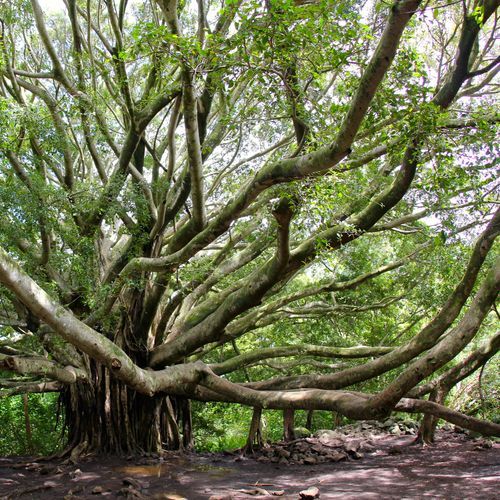
Pīpīwai Trail
Moderate3.2 mi
Keoneheʻeheʻe
Extreme16.6 mi
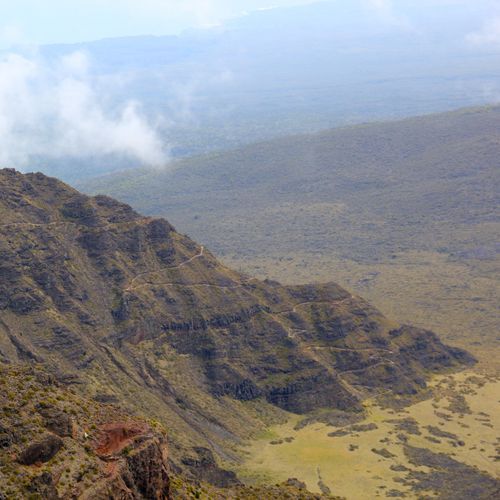
Leleiwi Overlook Trail
Easy0.3 mi
Kaupō Trail
Moderate6.7 mi

Kūloa Point Trail
Easy0.5 mi
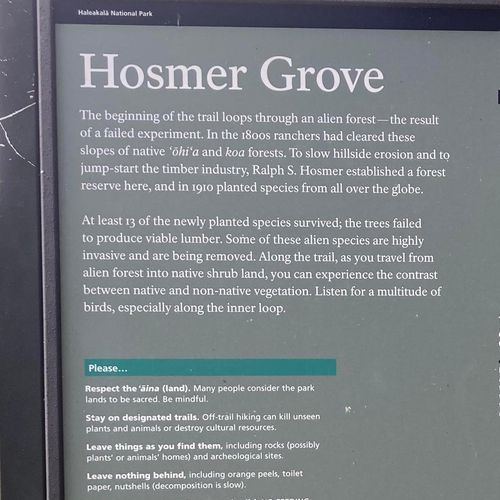
Hosmer Grove Loop Trail
Easy0.7 mi
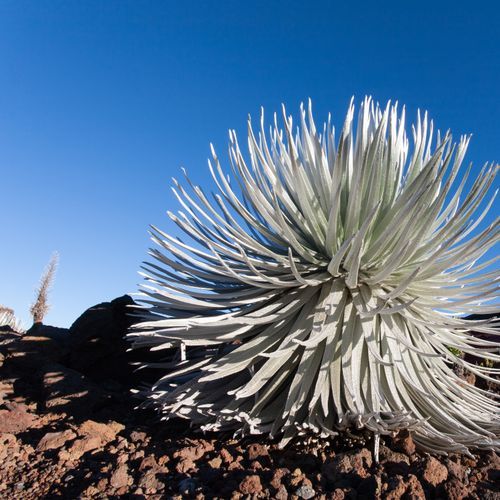
Silversword Loop
Easy0.3 mi
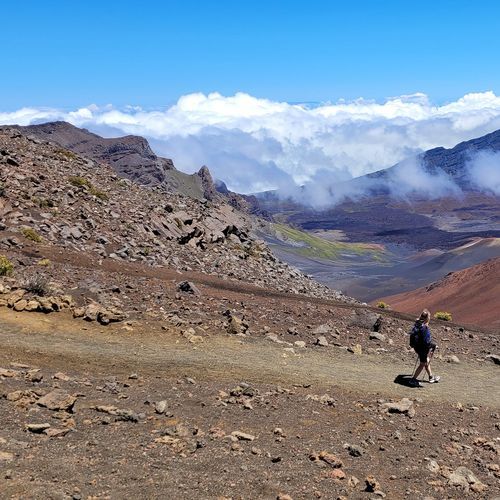
Pā Kaʻoao Trail
Easy0.4 mi
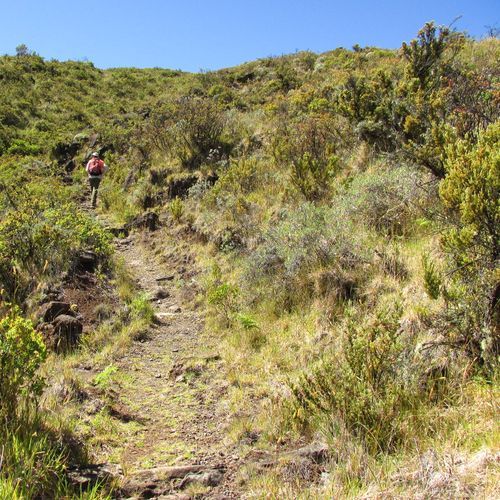
Supply Trail
Moderate4.7 mi
Visitor Centers
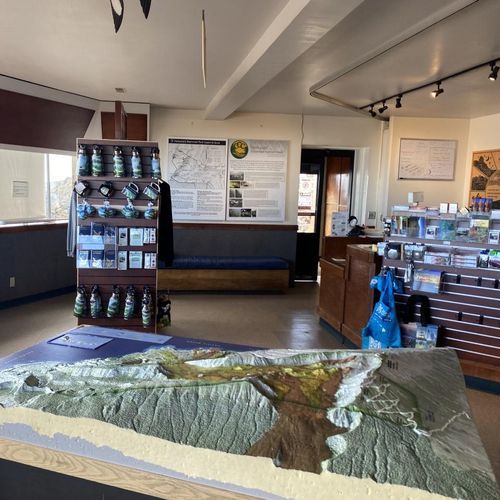
Haleakalā Visitor Center
Sunrise - 12:00PM
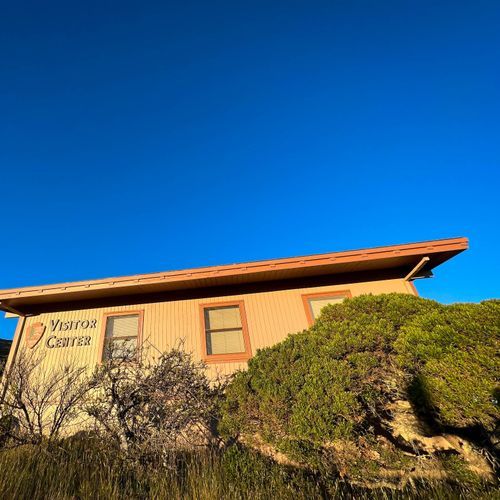
Headquarters Visitor Center
8:30AM - 4:30PM
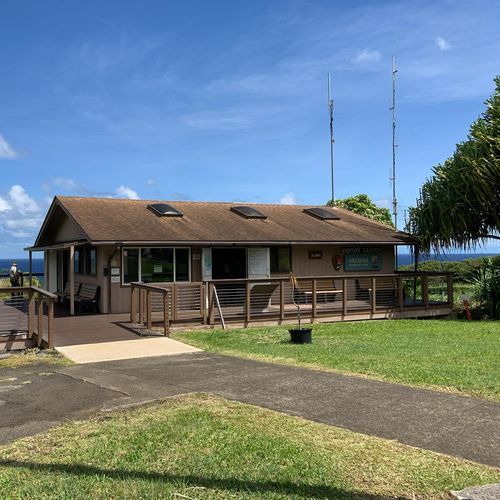
Kīpahulu Visitor Center
9:00AM - 5:00PM
Campgrounds
Camping guide →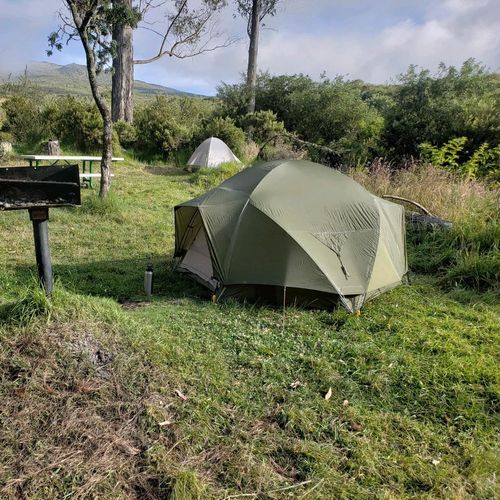
Hosmer Grove Campground
Summit District
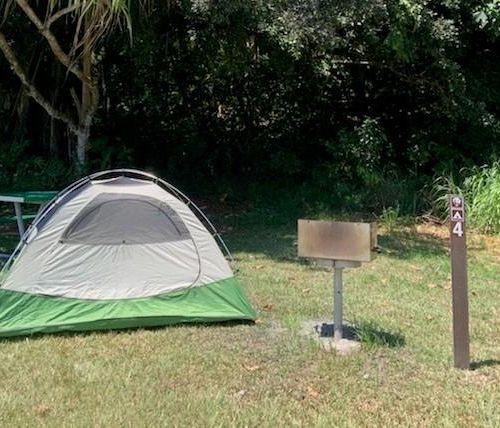
Kīpahulu Campground
Kīpahulu District
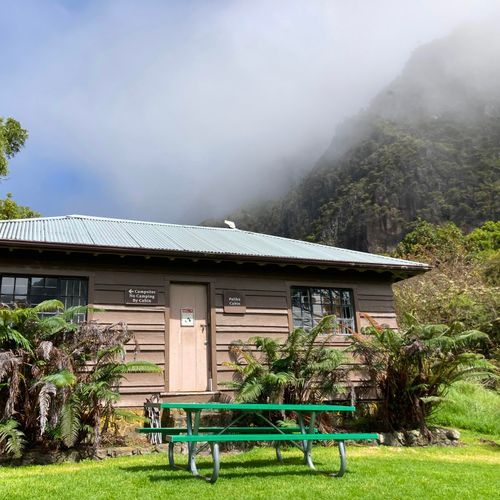
Wilderness Cabins
Kīpahulu District
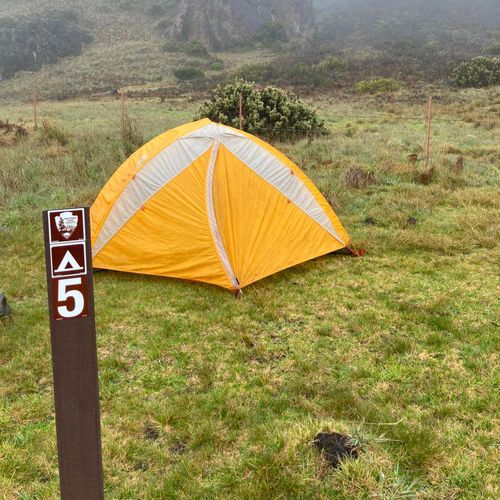
Wilderness Tent Sites
Summit District
About the Park
Park Areas
The Summit District of Haleakalā National Park is renowned for its stark, volcanic landscape, offering panoramic views and the chance to witness sunrise above the clouds. This area is characterized by cinder cones and expansive vistas, providing a unique high-altitude experience distinct from other park regions. It is home to the endangered *nēnē* (Hawaiian goose) and the rare silversword plant, making it a significant area for both natural beauty and conservation.
In contrast, the Kīpahulu District presents a lush rainforest environment with stunning coastal views. Known for its cascading waterfalls and the Pools of ‘Ohe’o, this district offers diverse hiking opportunities, including the popular Pipiwai Trail leading to Waimoku Falls. While the lower pools can be crowded, the area is generally less busy than the summit, offering a more tranquil setting to explore native Hawaiian ecosystems and cultural sites.
Park Guides
All 12 guides →Two Unconnected Districts: Planning the Drive
Two separate districts make up the park, and no road joins them. The Summit District sits at the top of the mountain, at 10,023 feet, while the Kīpahulu District stretches down the southeast side to the coast near Hāna.
30°F Summit to 80°F Coast in One Day
On a single day, the Kīpahulu coast can reach 80 degrees while the summit drops to 30. Temperatures fall about 3 degrees for every 1,000 feet of climbing, so the 10,023-foot summit of Haleakalā runs roughly 30 degrees cooler than the coast.
Haleakalā Sunrise: Reservations for 3–7 a.m. Entry
Sunrise viewing at Haleakalā National Park requires a sunrise reservation for each vehicle that enters the park between 3 and 7 in the morning.
Summit Crater Overlooks: Leleiwi to Kalahaku
Kalahaku Overlook sits partway down the winding road from the summit, at 9,324 feet. A brief climb from the parking area reaches the lookout over the valley's volcanic terrain.
Hiking the Sliding Sands Trail
The Sliding Sands Trail begins at a trailhead in the Haleakalā Visitor Center parking lot, close to the road.
