
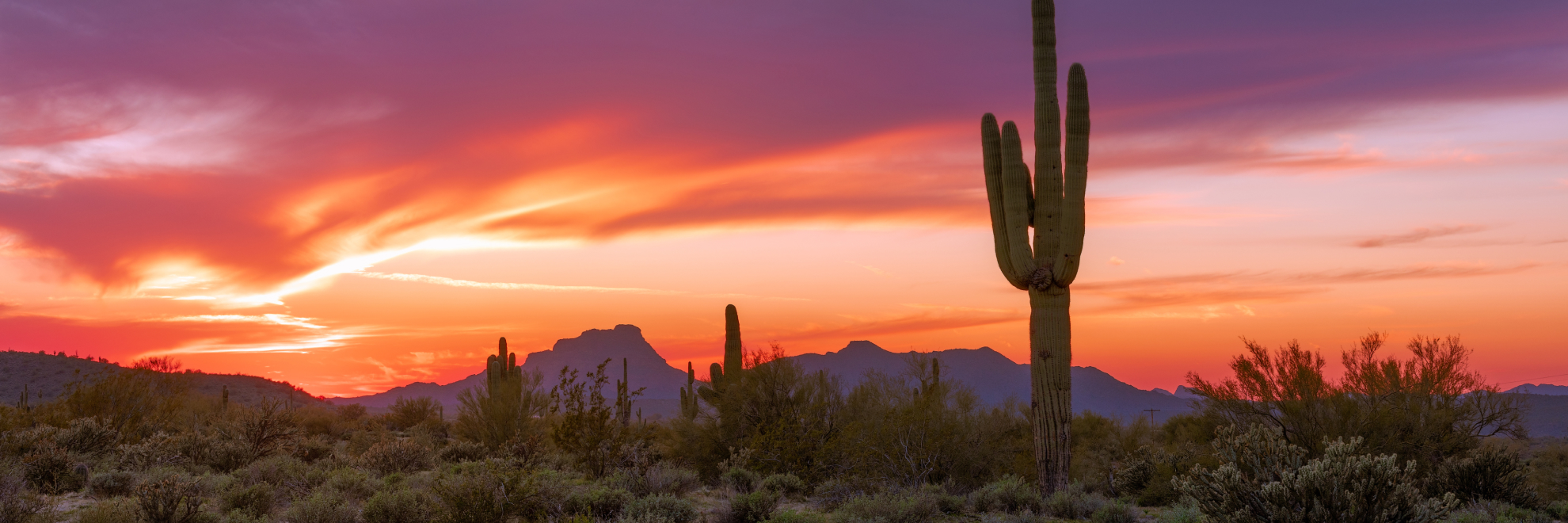
Saguaro National Park is an iconic American landscape, deeply intertwined with the image of the American West. Located in southern Arizona, the park is split into two districts, the Tucson Mountain District (West) and the Rincon Mountain District (East), each offering unique environments and experiences. At the heart of the park's identity are the towering saguaro cacti, which can live for up to 200 years and may not grow their first arm until they are between 50 and 70 years old. These majestic plants are so revered that they have inspired the park's name and are a symbol of the desert Southwest.
In addition to the saguaro cacti, the park is home to a rich diversity of desert flora and fauna, including over 25 species of cacti, from the sprawling prickly pear to the rare and elusive night-blooming cereus. Wildlife is abundant, with opportunities to spot roadrunners, coyotes, and jackrabbits, and the chance to hear the calls of various owls and see bats flitting in the twilight. Both sections of the park offer a variety of trails ranging from easy, scenic loops to challenging hikes that offer spectacular views of the Sonoran Desert.
Human history in the area dates back over 10,000 years, with the ancient Hohokam people being some of the earliest known inhabitants. Their legacy includes rock art sites that can still be seen today. More recently, the park area was inhabited by the Tohono O'odham nation, and it remains culturally significant to them.
Saguaro National Park is not only significant for its biological and historical riches but also for its recreational opportunities. The scenic drives through both districts showcase the rugged desert landscape, while picnic areas provide spots for quiet reflection or family gatherings. For those interested in night-time activities, the park is a haven for stargazing, with clear, dark skies offering magnificent views of the Milky Way.
Saguaro National Park
Arizona
Arizona
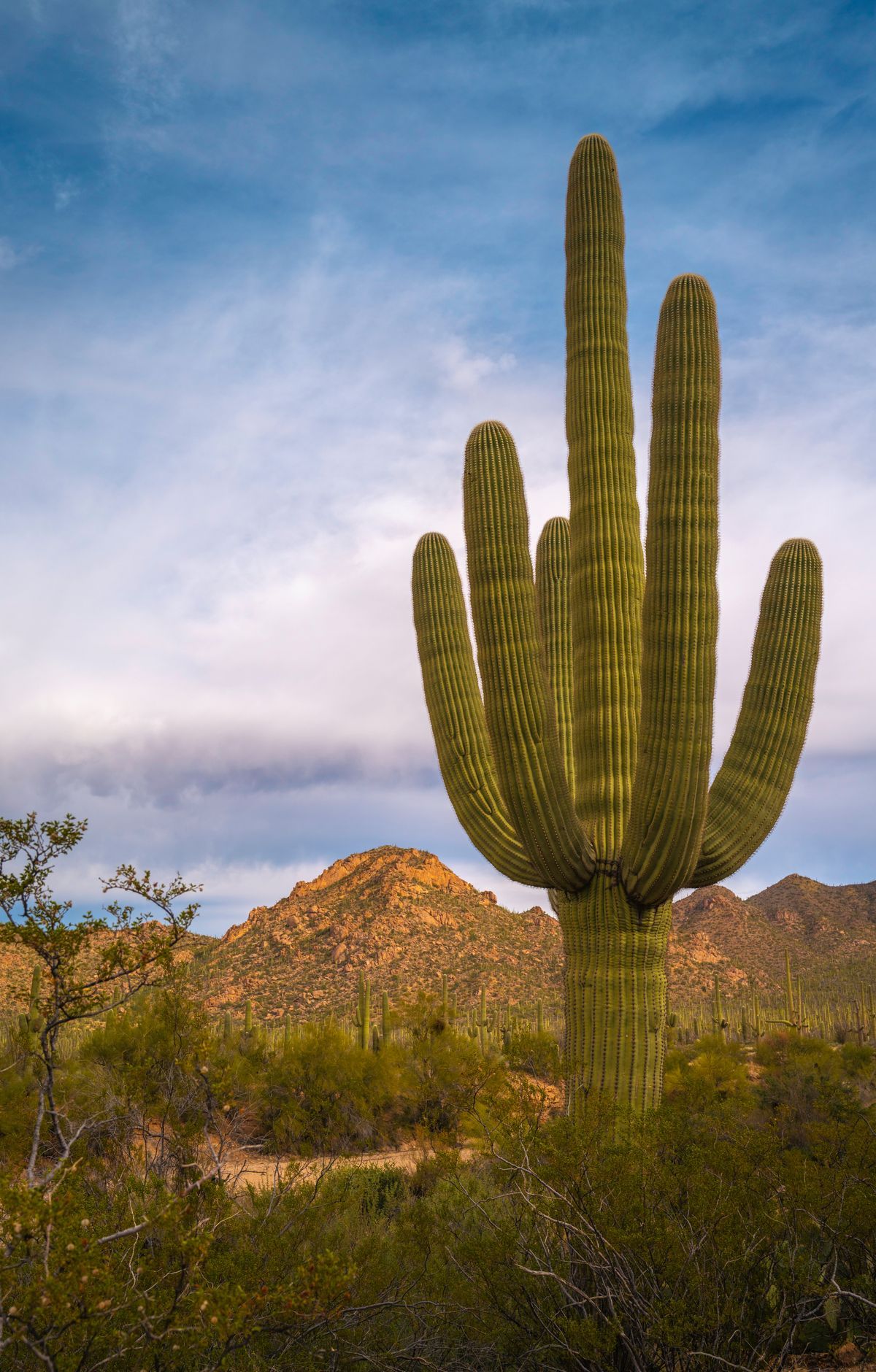
Saguaro cacti, which grow only in the Sonoran Desert, give this park of southern Arizona its character. The park is split into two areas: the Tucson Mountain District west of Tucson, where saguaros grow more densely, and the Rincon Mountain District to the east, where peaks climb into forest and a long network of backcountry routes stretches across the slopes. Hikers can pick brief strolls past the cacti or full day outings. Overnight backcountry camping takes place only in the Rincon district, and Manning Camp stands at about 8,000 feet. Scenic drives let visitors see the desert from the road, and cactus and wildflower blooms add color to the landscape.
Park Areas
All areas →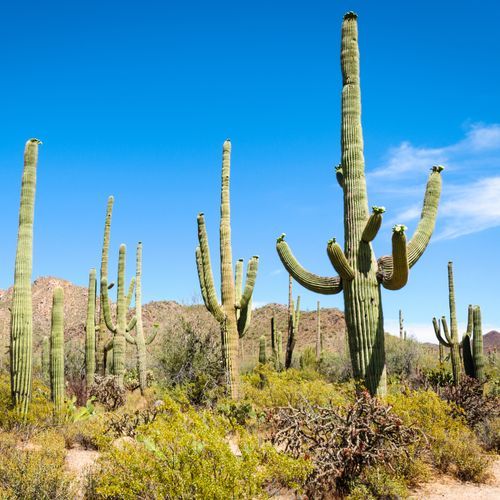
Rincon Mountain District
Rising above this district, the Rincon Mountains are a designated wilderness, a cooler island of high ground for wildlife and visitors. The Cactus Forest Loop Drive is a narrow, paved route through the lower desert, with trailheads, scenic vistas and pullouts along the way. Saguaros do well on sun-facing southern slopes and in the loose gravel soil that drains quickly along Rincon Valley trails. The self-guided Freeman Homestead Trail is one mile around, passing large saguaros and an old desert homestead. Hikers can also follow the Hope Camp Trail for views of Tanque Verde Ridge and Rincon Peak. Cyclists may ride the loop, the Cactus Forest Trail and the Hope Camp Trail, while horseback riders use some trails. The visitor center offers maps, a bookstore and restrooms, and its cactus garden has interpretive signs and ranger-led programs.
Tucson Mountain District
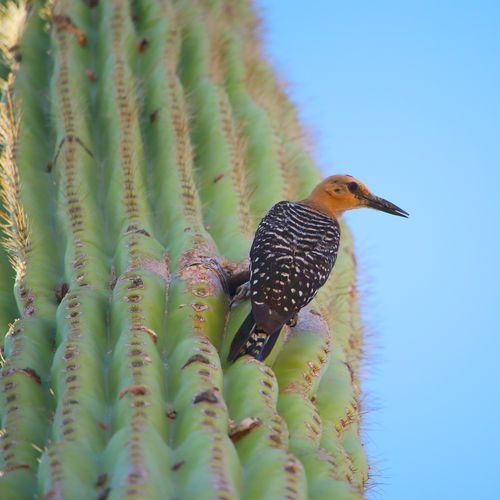
The western side of the park is known for its dense saguaro cactus forest, where tall cacti spread across the foothills of the Tucson Mountains. The unpaved Bajada Loop Drive winds through the district past pullouts, picnic areas and hiking trailheads, and a regular car can handle it. Bicycling is allowed on the drive, which is gravel, not pavement. Near the Signal Hill Picnic Area, a short trail leads to dozens of Hohokam petroglyphs etched into large stones, some dating back about 800 years. Hikers can reach Wasson Peak on longer trails that start from the drive. The Cam-Boh Trail leads to a small network of trails. The Red Hills Visitor Center has a cactus garden with interpretive signs and ranger-led programs, and the Desert Discovery Trail is a paved loop that is friendly to dogs.
Popular Hiking Trails
All trails →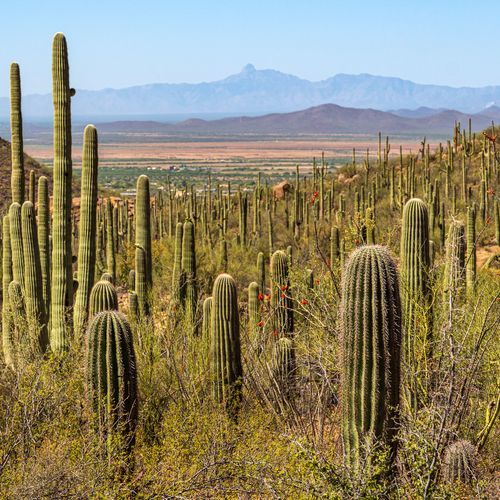
Valley View Trail
Easy0.8 mi
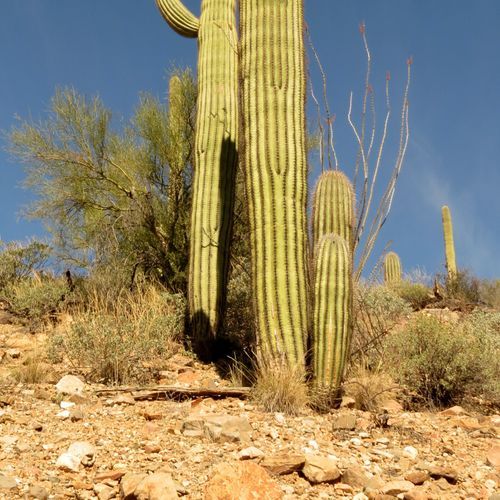
King Canyon / Gould Mine Loop
Moderate2.5 mi
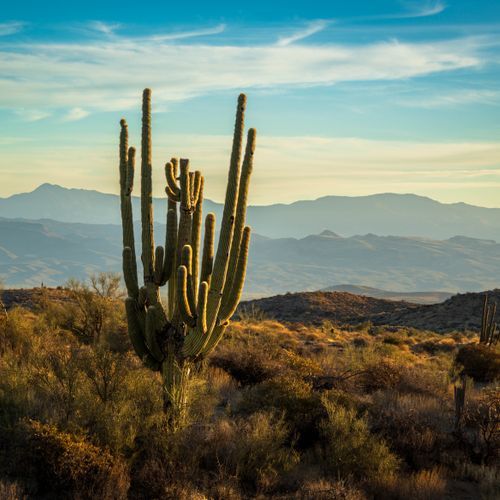
Douglas Spring Trail
Moderate4.8 mi
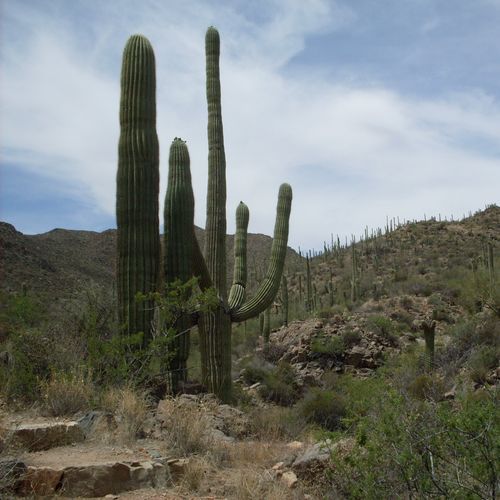
Sweetwater Trail
Difficult8.9 mi
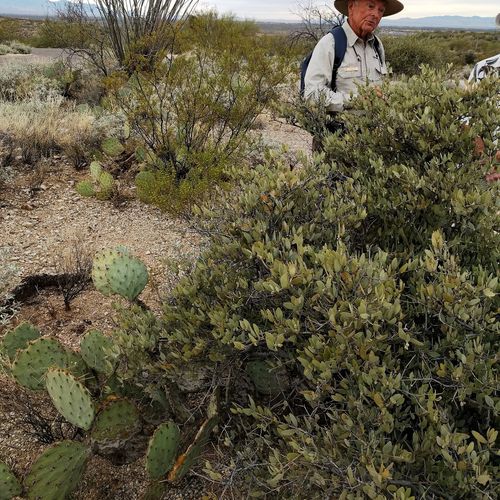
Freeman Homestead Trail
Easy1.0 mi
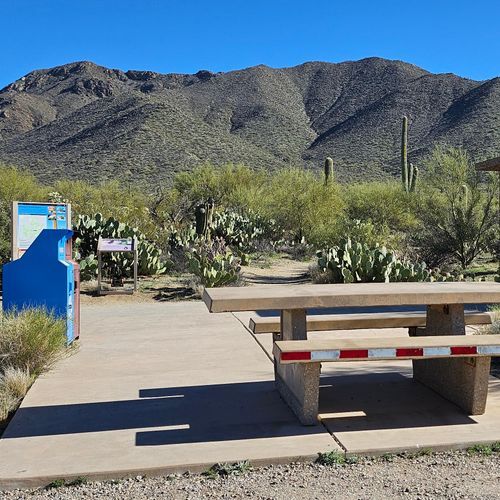
Sendero Esperanza Trail
Moderate5.3 mi
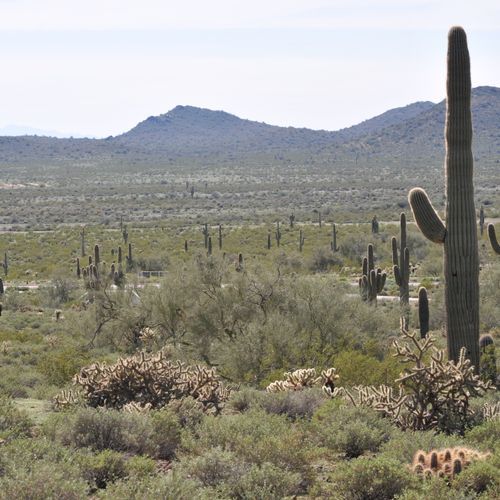
Cactus Wren Trail
Easy4.1 mi
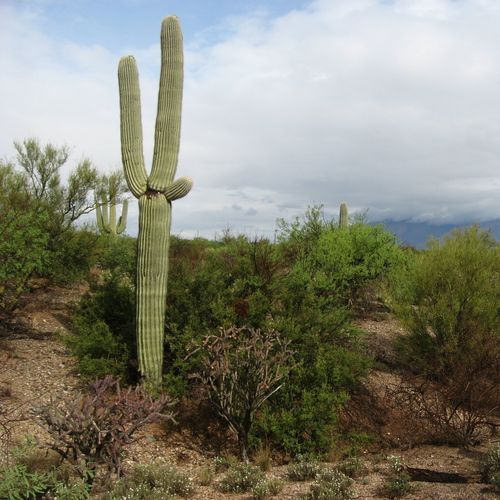
Desert Ecology Trail
Easy0.3 mi
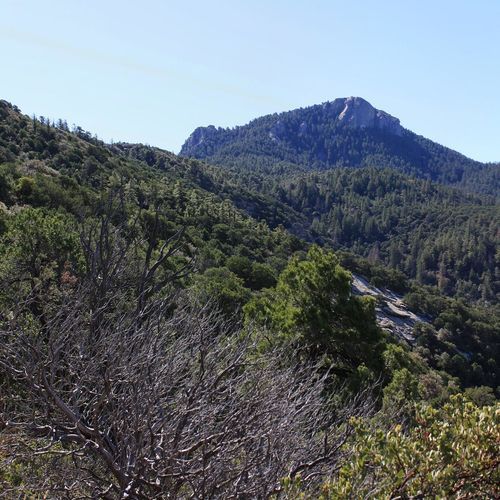
Rincon Creek Trail
Difficult14.7 mi
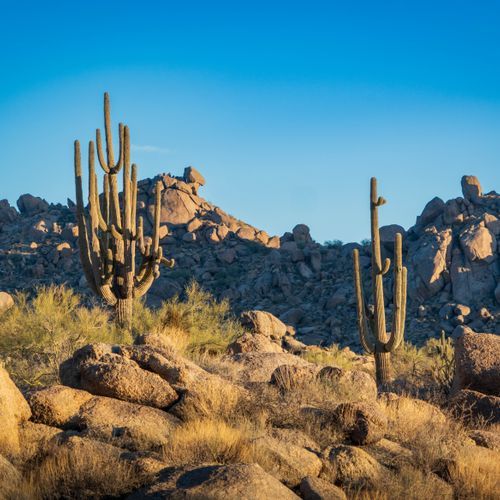
Tanque Verde Ridge Trail
Difficult8.6 mi
Visitor Centers
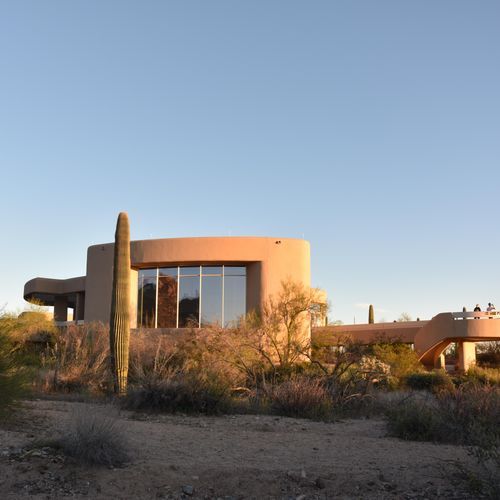
Red Hills Visitor Center (West)
9:00AM - 5:00PM
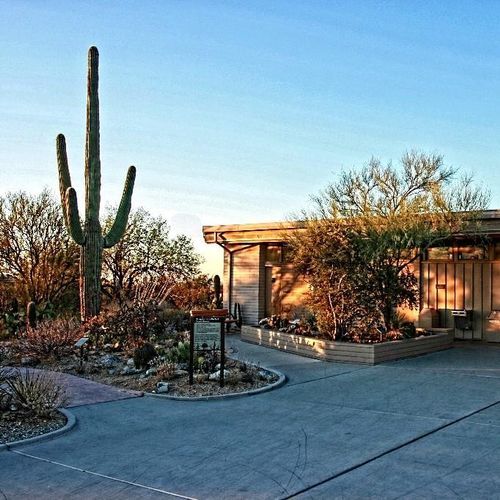
Rincon Mountain Visitor Center (East)
9:00AM - 5:00PM
Campgrounds
Camping guide →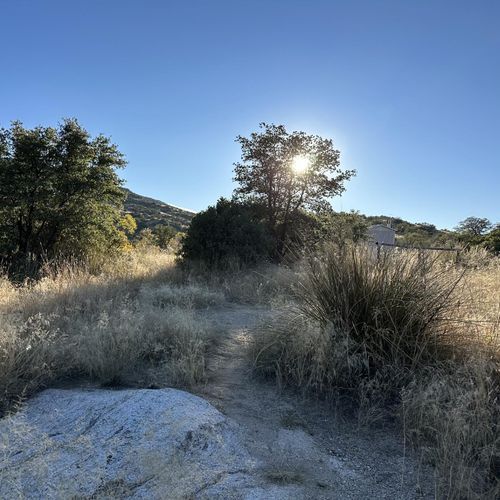
Douglas Spring
Rincon Mountain District
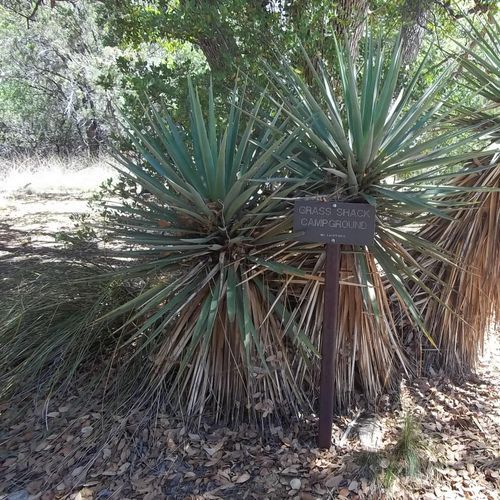
Grass Shack
Rincon Mountain District
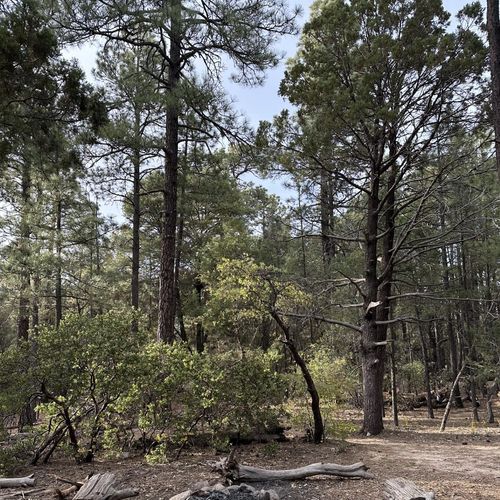
Happy Valley Saddle
Rincon Mountain District
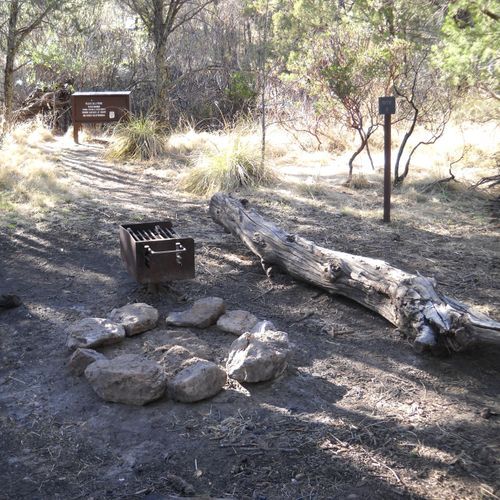
Juniper Basin
Rincon Mountain District
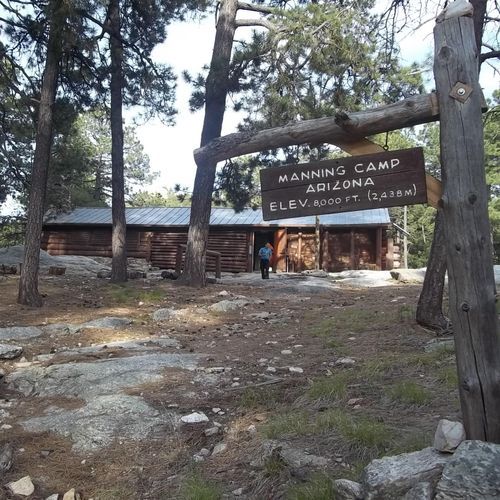
Manning Camp
Rincon Mountain District
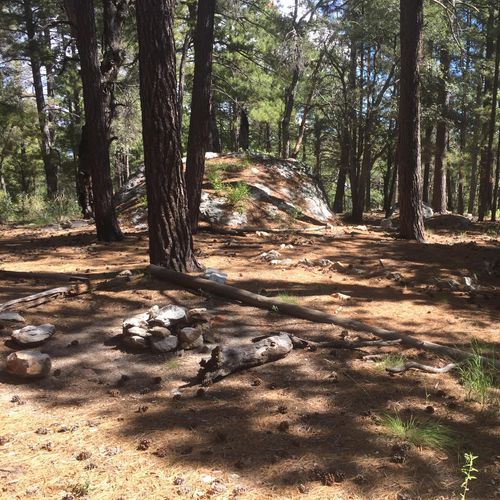
Spud Rock Spring
Rincon Mountain District
About the Park
Park Areas
The Rincon Mountain District is renowned for its diverse hiking trails that traverse lush desert landscapes and ascend into cooler, forested highlands. This area is distinguished by its higher elevations and varied ecosystems, offering scenic vistas and seasonal wildflower displays that captivate nature enthusiasts. The district supports a rich array of wildlife, including the Mexican spotted owl, and its cooler climate makes it an ideal destination for summer visits.
In contrast, the Tucson Mountain District provides a more accessible experience with its diverse trails and rich desert landscapes dominated by iconic saguaro cacti. This district is known for its stunning sunset views and ancient petroglyphs, offering a unique glimpse into the region's history. The nearby Arizona-Sonora Desert Museum enhances the visitor experience with educational insights into local flora and fauna. Due to its lower elevation, the Tucson Mountain District experiences warmer temperatures, making it a favored destination for winter hiking.
Park Guides
All 11 guides →Saguaro Entry Fee, Time Zone and Navigation
One pass covers the whole park, and it is good for seven days at both the Tucson Mountain District and the Rincon Mountain District.
Saguaro Bloom, Fruit and Monsoon Calendar
The saguaro bloom begins in late April and runs through June. Saguaro flowers bloom at night, so visitors who come in summer may want to plan their time in the park for early morning or evening.
The Iconic Saguaro Cactus
Few plants are as closely linked to the American West as the giant saguaro, the namesake of Saguaro National Park.
Cactus Forest Drive and Bajada Loop Drive
Cactus Forest Drive is an eight-mile loop through the eastern district of the park, in the foothills of the Rincon Mountains.
170 Miles of Trails, from Valley View Overlook
Hiking is the main draw here, with more than 150 miles of trails spread across the park's two districts.
