
Congaree National Park in South Carolina showcases one of the largest tracts of old-growth bottomland hardwood forest left in the southeastern United States. Congaree provides a sanctuary for both biodiversity and unspoiled beauty, featuring one of the highest canopies in the world, earning the forest's designation as an International Biosphere Reserve. The park's towering trees include bald cypresses, loblolly pines, and oaks, some of which are among the tallest in the eastern United States.
Flooding from the Congaree and Wateree rivers nourishes and shapes this floodplain ecosystem, supporting a diversity of plant and animal life. Visitors can explore the park via a network of boardwalk trails that weave through the forest, making the park accessible for all levels of adventurers, while kayak and canoe trails offer a water-based perspective of the lush, waterlogged landscape. Birdwatchers and wildlife enthusiasts can spot deer, otters, and numerous bird species, including the elusive pileated woodpecker and various species of owls.
Native American tribes, including the Congaree, historically inhabited the area around what is now Congaree National Park in South Carolina. They lived along the Congaree River, utilizing the floodplain forest for hunting, fishing, and gathering. The Congaree tribe's name influenced the naming of the park. European colonization led to their decline and displacement. Today, the park preserves the natural landscape that was once home to these Native American tribes, serving as a reminder of their historical presence.
The park holds rich historical and cultural significance, with tales of Native Americans, enslaved Africans, and European settlers who utilized the area's natural resources for centuries. In addition, Congaree National Park serves as an important center for research and education on environmental conservation, floodplain ecosystems, and the effects of climate change on deciduous forests.
Visitors to the park are encouraged to take part in guided tours to gain deeper insights and learn about the ongoing efforts to preserve and protect this exceptional wilderness area.
Congaree National Park
South Carolina

South Carolina
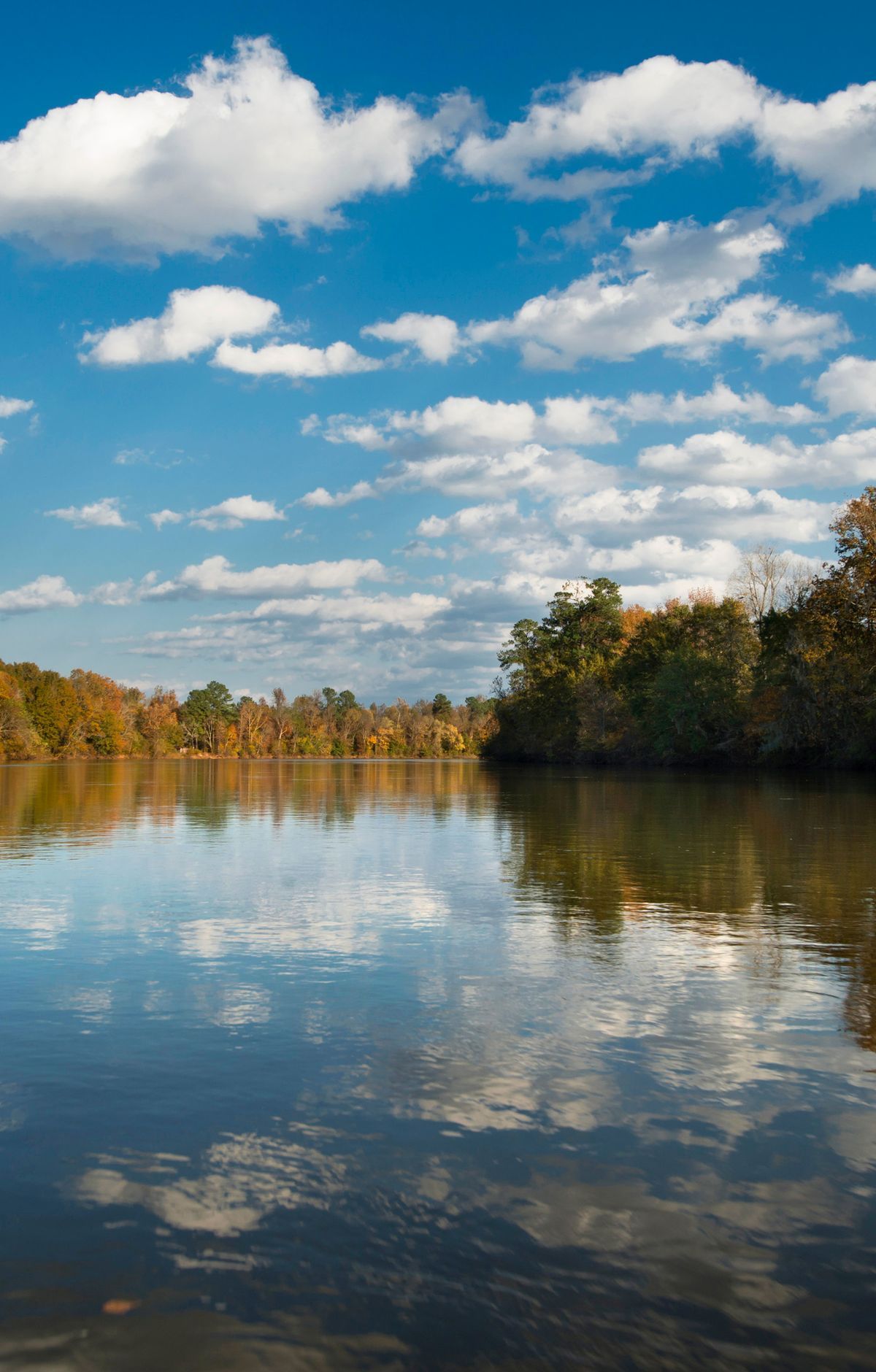
Congaree National Park protects a large, intact stand of old-growth bottomland hardwood forest, with towering trees rising from a floodplain that the Congaree and Wateree Rivers refresh with water and nutrients. The Boardwalk Loop Trail is an elevated walkway of about 2.4 miles that winds through the swampy forest, keeping visitors above the fragile fungi and plants on the forest floor. Paddlers can explore Cedar Creek by canoe or kayak on a marked 20-mile trail. Hiking routes branch out from the Harry Hampton Visitor Center, where most visits begin, and birdwatchers often spot pileated woodpeckers. Synchronous fireflies put on displays on summer evenings. Primitive and backcountry campsites are available for those who want to stay overnight.
Visitor Centers
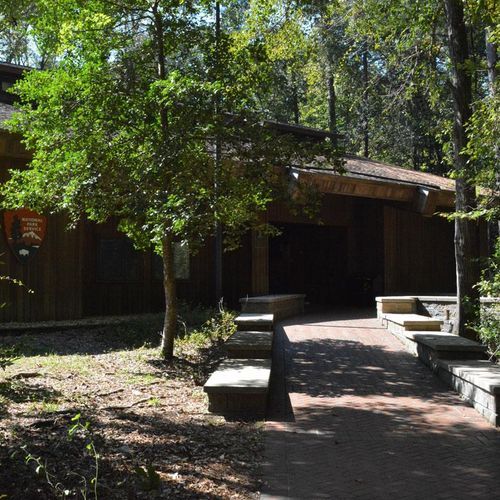
Harry Hampton Visitor Center
9:00AM - 5:00PM
Campgrounds
Camping guide →About the Park
Park Guides
All 11 guides →Timing Your Visit: Mosquitoes, Fall Color, Water Levels
Spring and fall are the best seasons to visit Congaree National Park, when temperatures are mild and mosquitoes are low.
Walking the Boardwalk Loop Among Cypress Giants
The Boardwalk Loop Trail begins at the Harry Hampton Visitor Center, the main hub of Congaree National Park and the starting point for most of its trails.
Champion Trees of the Old-Growth Bottomland Forest
The old-growth bottomland forest here protects some of the tallest trees in the eastern United States.
Paddling the 15-Mile Cedar Creek Canoe Trail
The Cedar Creek Canoe Trail is a marked route of about 15 miles through the Congaree Wilderness.
Deep Backcountry: Kingsnake and Oakridge Trails
If birding is your goal, the Kingsnake Trail is a strong choice. The 12-mile out-and-back route crosses sloughs lined with tupelo and cypress and runs along part of Cedar Creek.
