Cabrillo National Monument guide · 2 min read
Cretaceous Submarine Fan Bedrock
The rock beneath Cabrillo National Monument began as sediment on the floor of the Pacific Ocean.
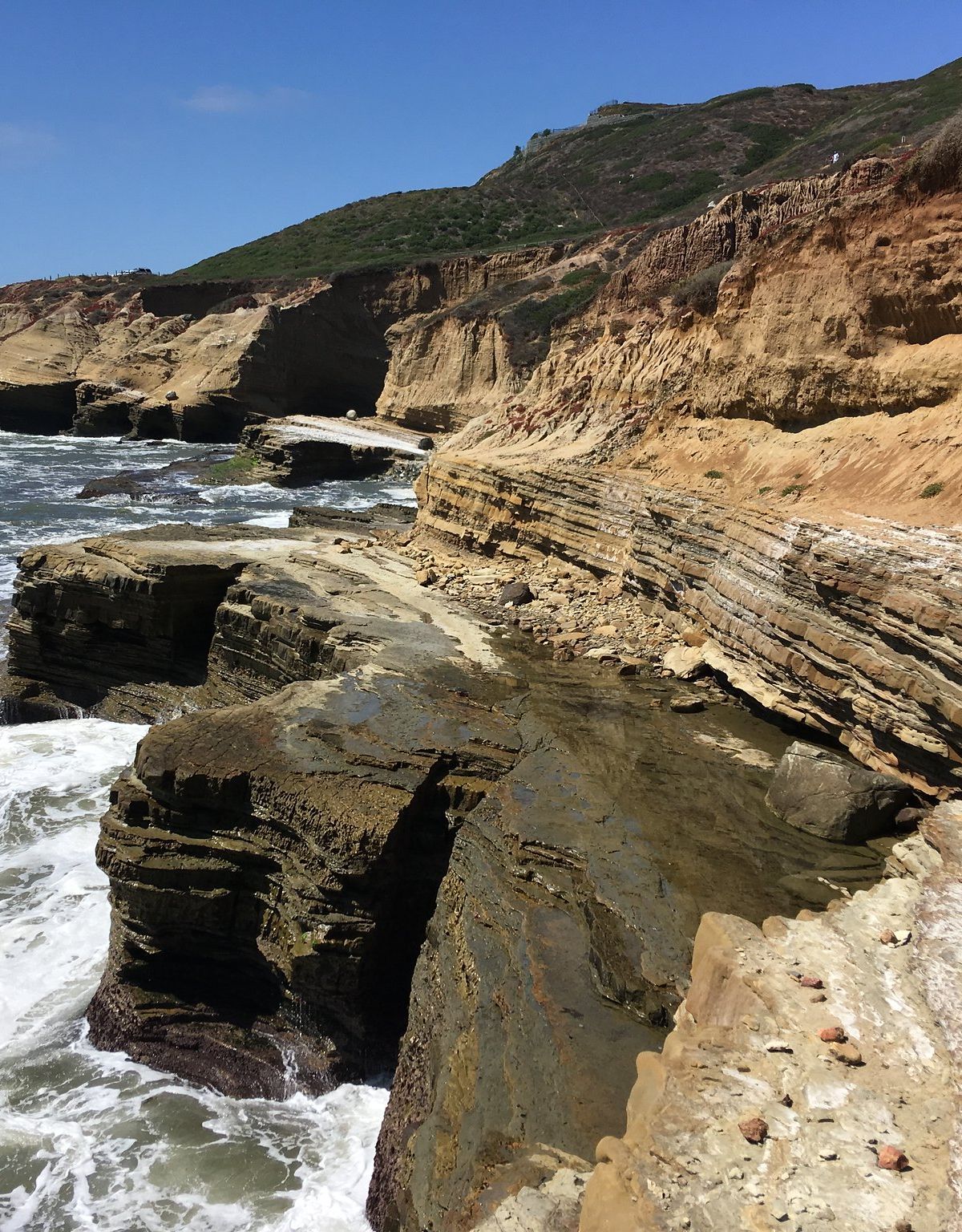
In the Late Cretaceous Period, roughly 76 to 72 million years ago, the Peninsular Ranges to the east were climbing, and streams washed gravel, sand, and mud off their slopes toward the sea. That material spread into a huge submarine fan, laid down in water as deep as about 1,000 meters, or 3,300 feet. The whole Point Loma peninsula is built from this fan.
The fan formed in a basin on the landward side of a deep ocean trench, where the Farallon plate was sliding beneath the North American plate. Above that collision, the Peninsular Ranges rose as a chain of volcanoes with granite forming below. Pieces of those mountains still sit in the monument's rock. In the road cut on your left just past the entrance station, a big green-tinged boulder of Santiago Peak Volcanics is locked into the sandstone.
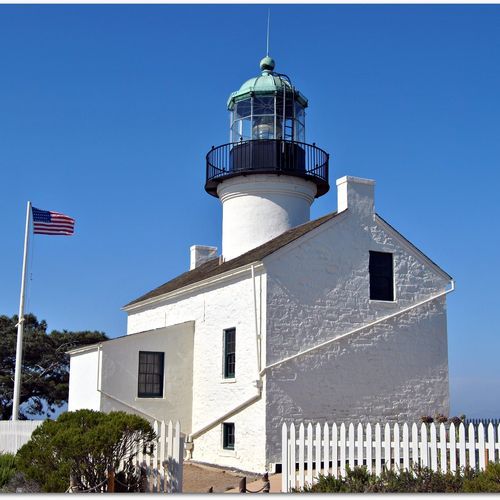
Geologists divide the fan into two layers, the Point Loma Formation and the Cabrillo Formation, both part of the Rosario Group. The Point Loma Formation holds sandstone, siltstone, and a richer fossil record. The Cabrillo Formation pairs medium-grained sandstone with cross-bedded cobble conglomerate. Its type section, the exposure geologists treat as the standard, is in the sea cliffs roughly 250 meters, or 820 feet, east of the Point Loma Light Station, where about 81 meters of it rise from 30 meters above sea level to the clifftop.
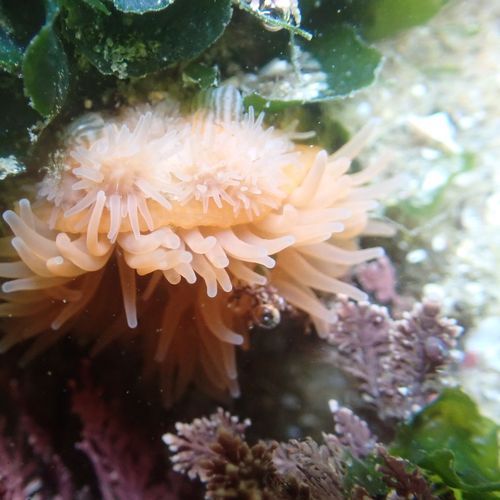
On the western side of the monument, Rosario Group rocks extend offshore through the tide pool area, about a quarter mile southwest of the Kelp Forest and Whale Overlook. Standing there, you are on the ancient fan itself. Above these Cretaceous rocks, an unconformity marks a long gap in the record before the much younger Quaternary deposits.