Channel Islands National Park guide · 1 min read
Chumash Names, Tomols and Island Heritage
Human history on the northern Channel Islands reaches back more than ten thousand years. The Island Chumash lived here for thousands of years, drawing much of their food from the ocean.
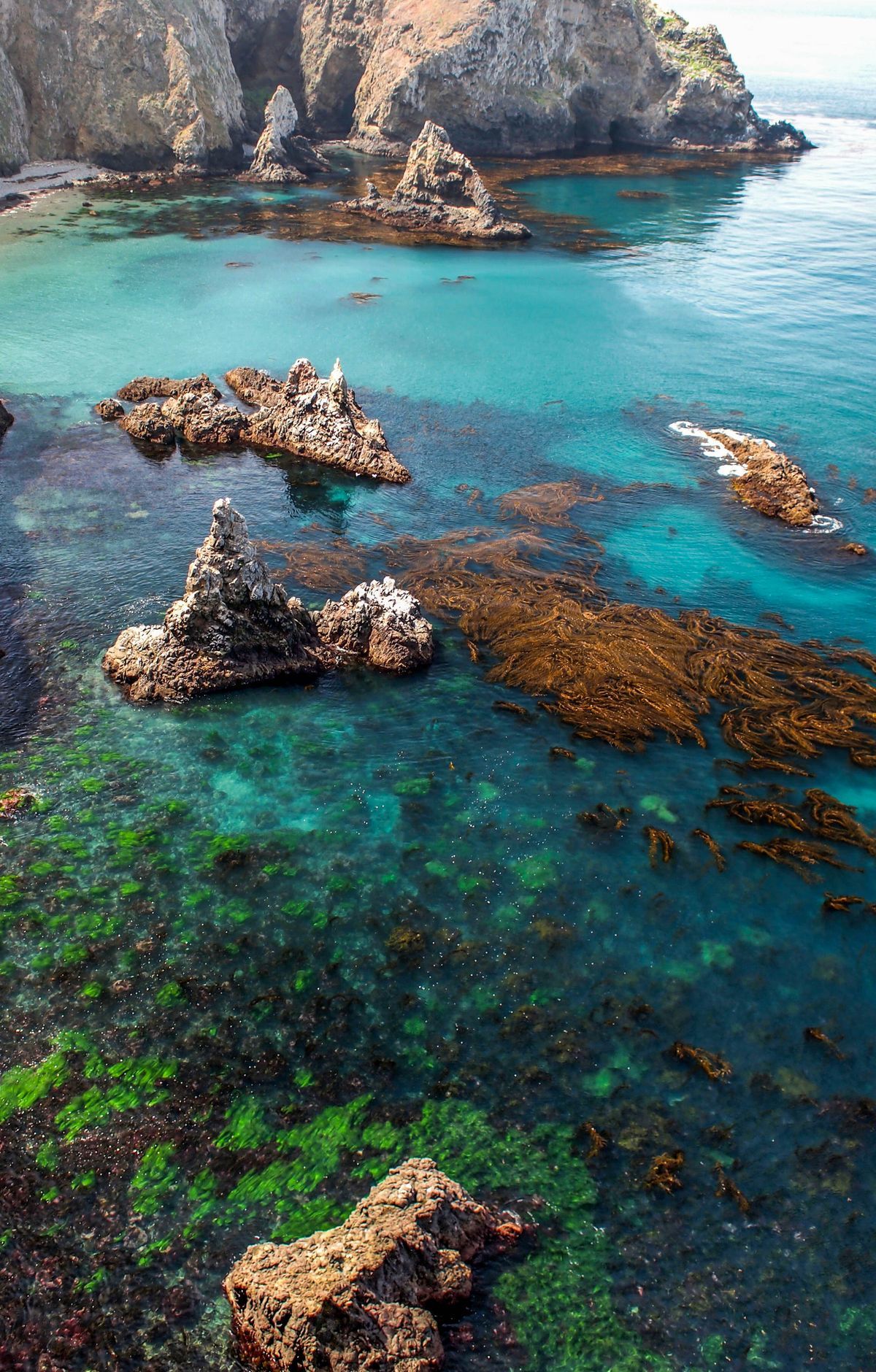
Their workshops turned shells and stones into tools and items for trade, and many of their village sites and large shell mounds still remain, recording that long stretch of time.
The Chumash built tomols, plank canoes that carried them between the islands and the mainland. Their planks were cut from redwood that had washed down the coast. Tomols are one of the clearest signs of how these people moved across the channel.
A legend links the name Santa Cruz Island to the Portola expedition of 1769. During that journey, a priest left a cross-topped staff on the island, and a Chumash person found it and returned it. The Spanish, taken with the welcoming people they met there, named the island La Isla de Santa Cruz, a phrase that translates roughly as the island of the holy cross.
Archaeological work on the islands has uncovered evidence reaching far into the past. At Arlington Springs on Santa Rosa Island, human remains known as Arlington Springs Man, found in 1959, rank among the oldest dated in North America. Other finds include a burned dwarf mammoth discovered in a shell midden.
The first European explorer recorded on these shores was Juan Rodríguez Cabrillo, who reached San Miguel Island in 1542 while sailing the American coast in search of new lands. Explorers and traders kept visiting the islands over the following two centuries.