Glen Canyon National Recreation Area guide · 2 min read
Lees Ferry: Where Glen Canyon Meets Grand Canyon
Lees Ferry is where Glen Canyon National Recreation Area hands off to Grand Canyon National Park.
The entrance road ends at the water, at the northern end of the Grand Canyon. Across more than 700 miles of canyon country, no other spot in Glen Canyon lets you reach the Colorado River by car, and the first Grand Canyon rapid lies just downstream. In this open valley, the river runs calmer and gentler than it does above or below.
The Lees Ferry Boat Launch sits at the end of that road. Heading upstream, boaters have 15 miles of calm river to explore before reaching Glen Canyon Dam. Downstream, a cable across the river below the ramp marks the start of restricted water reserved for permitted river trips. The gravel side of the ramp handles downriver trips, while the paved side is for upstream use, so keep it clear. Wear a life jacket on the river.
Lees Ferry is the main starting point for whitewater rafting trips through the Grand Canyon, most of them run by commercial companies. Kayakers can head downriver and choose whether to arrange a ride back upstream. Upstream paddling starts at the Lees Ferry ramp rather than the dam, so kayakers either get a tow from a friend with a motorboat or book a backhaul with Wilderness River Adventures or another authorized guided service. Anglers come for the trout, fishing the river all the way up toward Glen Canyon Dam.
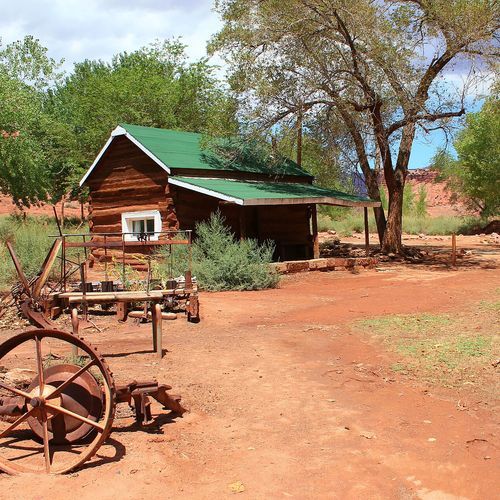
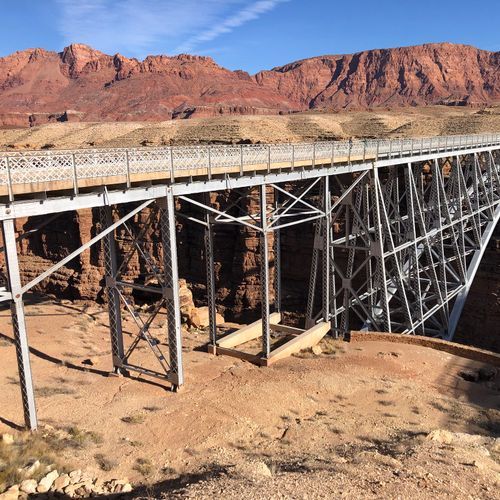
The Lonely Dell Ranch Historic District preserves buildings put up while John D. Lee lived at the site and in the years after he left, plus what remains of the Charles H. Spencer. There is also a small historical cemetery close by. Navajo Bridge, just down the road, later made the ferry obsolete. Backpackers coming through the Paria Canyon Wilderness Area wrap up their multi-day trek here, and day hikers can wander among canyons and desert ridgelines.