Gulf Islands National Seashore guide · 2 min read
Naval Live Oaks: A Forest Grown for Warships
The live oak, Quercus virginiana, grows thick along this part of the Gulf Coast, and its wood is some of the heaviest and densest in America.
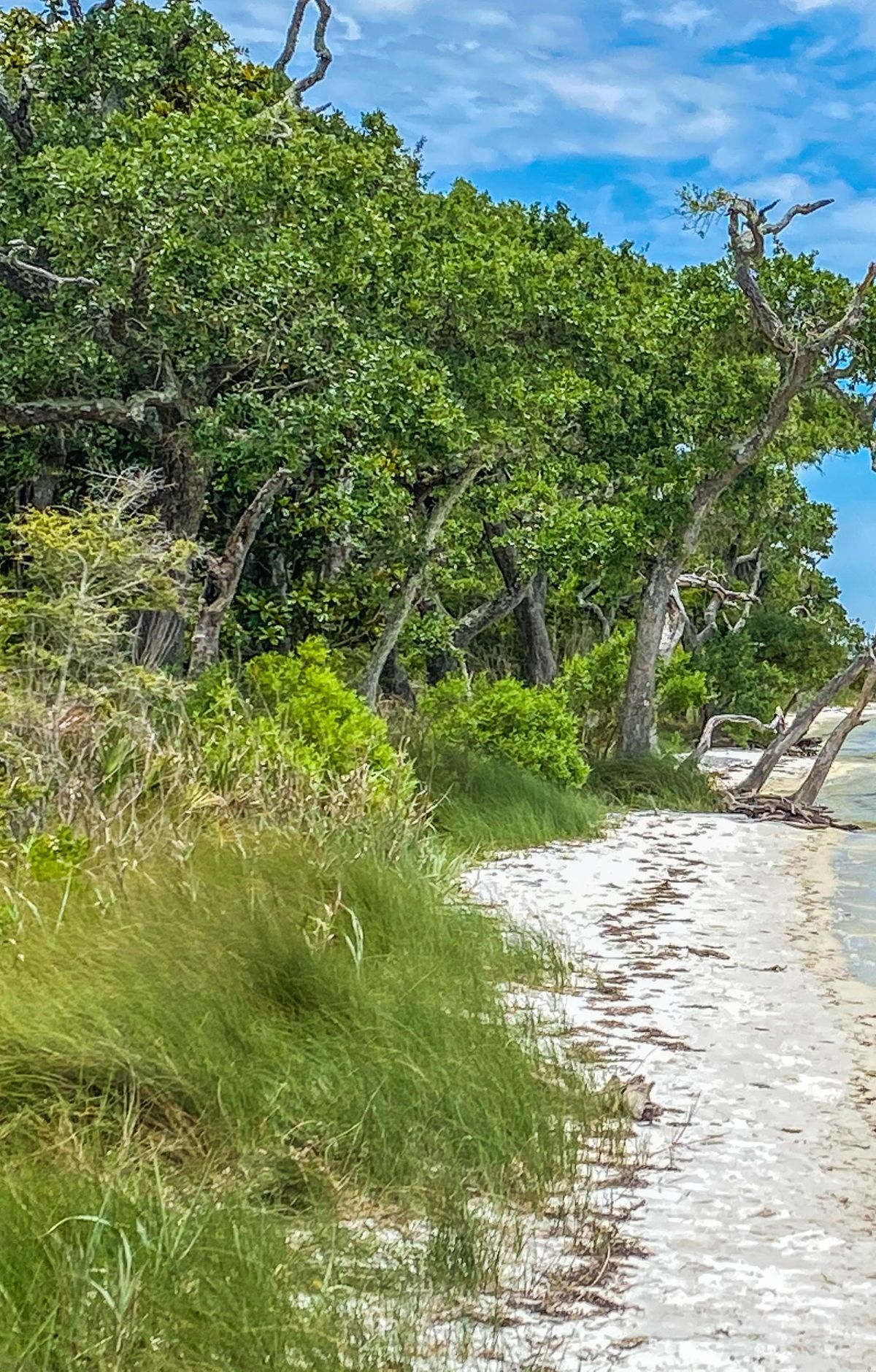
Its grain lets it bear heavy loads and strain without failing, which made it the timber of choice for the inner hulls of wooden warships. Shipwrights shaped it into curved structural ribs and L-shaped knee braces that held up the decks of tall sailing ships.
That strength was proven in combat. The inner hull of the USS Constitution was built of live oak, and the ship earned the nickname Old Ironsides after defeating the British ship Guerriere in the War of 1812. To keep the navy supplied, the federal government bought this mainland forest in 1828 under President John Quincy Adams. The Naval Live Oaks Reservation, near Gulf Breeze, is a living reminder of the age of wooden ships.
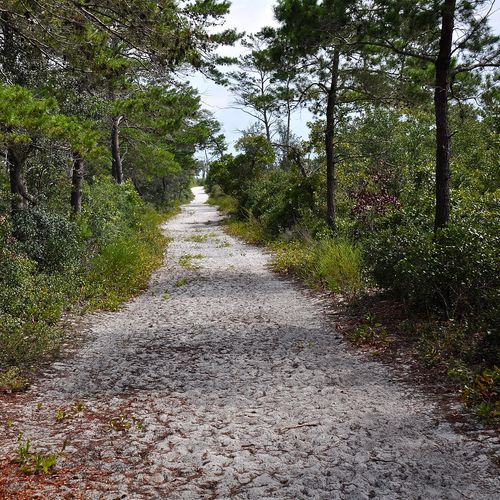
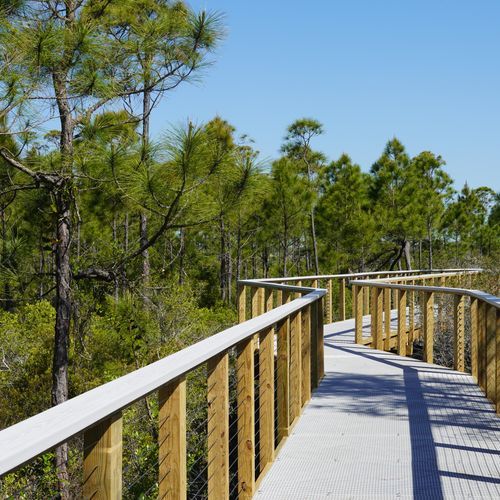
Today few corners of the national seashore hold more trees, and more than seven miles of hiking trails wind through them. The Andrew Jackson Trail, broad and sandy underfoot, crosses the area for 2.4 miles, with several trailheads to start from. The Beaver Pond Trail winds for 1.3 miles and offers a chance to spot a beaver dam.
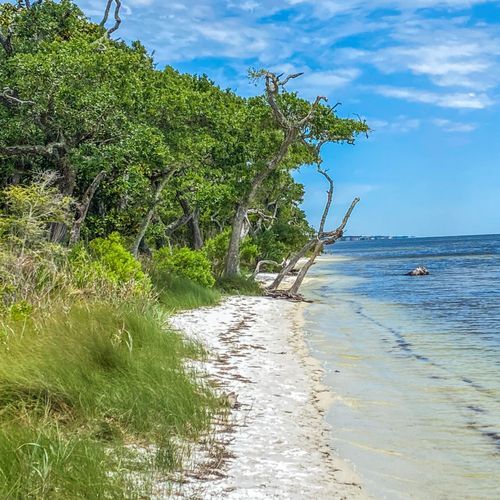
The forest also reaches down to the quiet shoreline of Santa Rosa Sound and Pensacola Bay. At the Naval Live Oaks Picnic Area, you can park, grill a meal at a table looking out over the sound, and use the restrooms close by, and park headquarters sits nearby on the shore. Groups can use the camping area and the reservable Youth Pavilion, which has its own restrooms.
On the trails, bring insect repellent and drinking water, and watch for fire ants and poison ivy along the edges of the path. Stay on the marked trails, and give any wildlife you meet plenty of room.