Indiana Dunes National Park guide · 2 min read
Lake-Effect Seasons: Summer Swims to Pack Ice
Lake Michigan steers the weather here, and it can change quickly. Summer highs usually sit in the mid-80s and lows fall into the mid-60s, with plenty of sun and humid air.
Every so often a cold front sweeping down from Canada breaks up a warm spell and leaves a few dry, pleasant days. Winters run colder, with highs in the low to mid 30s and lows in the low 20s, and the sky often stays cloudy unless the cold turns extreme.
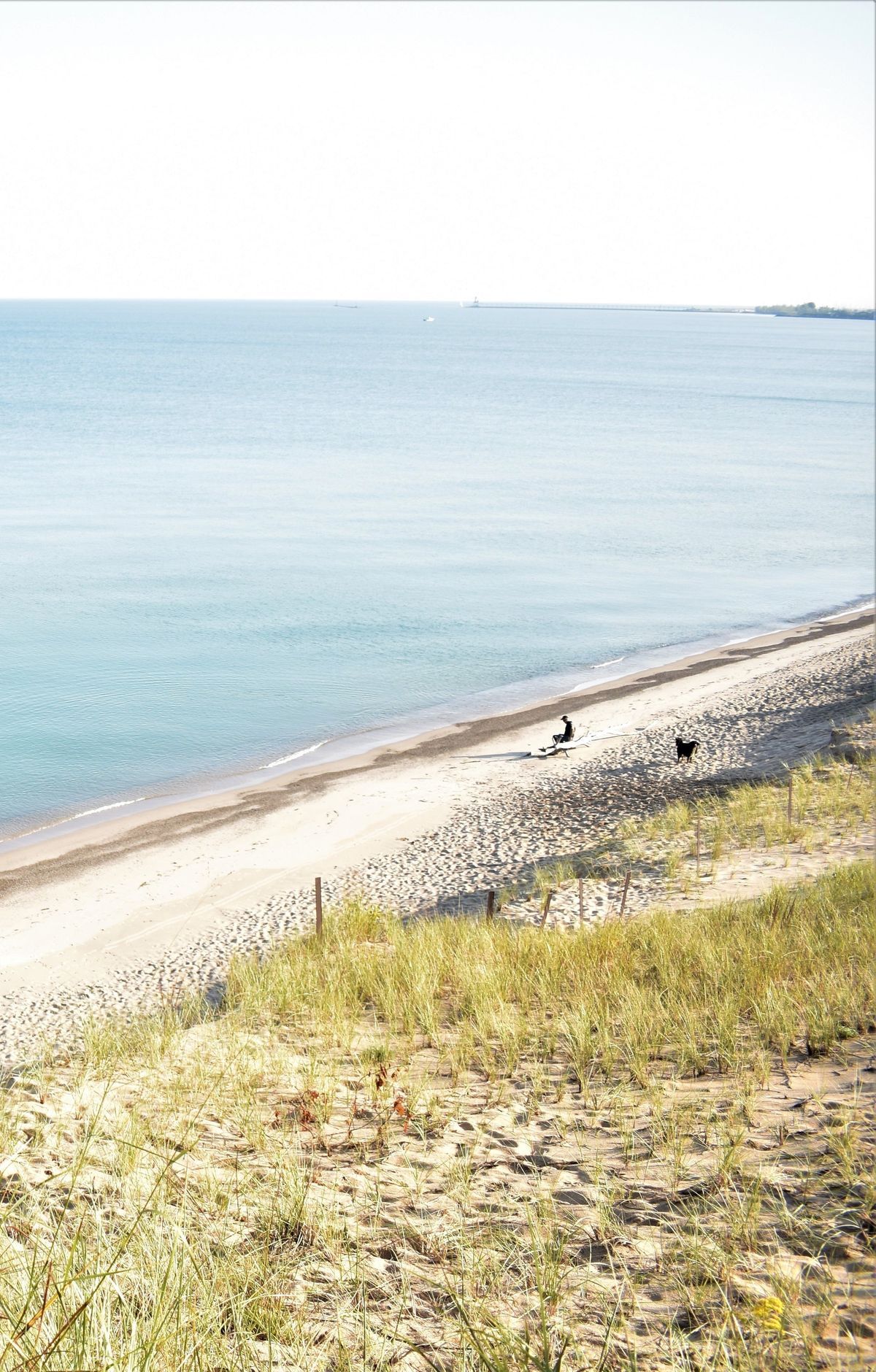
Strong winter winds can push ice off the lake and onto the sand, where it piles into long ridges that give the beaches an arctic look. This shelf ice often floats over air pockets, so stepping onto it is risky, and reaching anyone who falls through is very hard. By February, the same stretch of sand that draws swimmers in summer can be locked under pack ice. From a high dune, the lakefront shows layered sheets of snow and ice.
Summer is the busiest season, with half of all visitors arriving between June and August. West Beach is a popular pick for a swim, but the 15 miles of shoreline also has Porter, Kemil, Lake View, Central Avenue, Mount Baldy, and the beach by the state park. Rip currents can form with almost no warning and carry swimmers far from shore, most often when a strong north wind blows.
Cold months suit quieter exploring, since winter crowds tend to stay small. Visitors can learn cross-country skiing and snowshoeing through the dunes, and the Douglas Center supplies equipment to visitors in the order they arrive.
Wildflowers start to open in mid-April and keep going through June. Among the best spots to catch them are the Paul H. Douglas Trail and the Heron Rookery. The Douglas Trail also holds snow and ice in winter, and in summer its blooms scent the trail as you hike.