Katmai National Park & Preserve guide · 2 min read
Robert Griggs and Katmai's 1918 Founding
Botanist Robert F. Griggs was fascinated by the 1912 Novarupta eruption, which the twentieth century never topped in size.
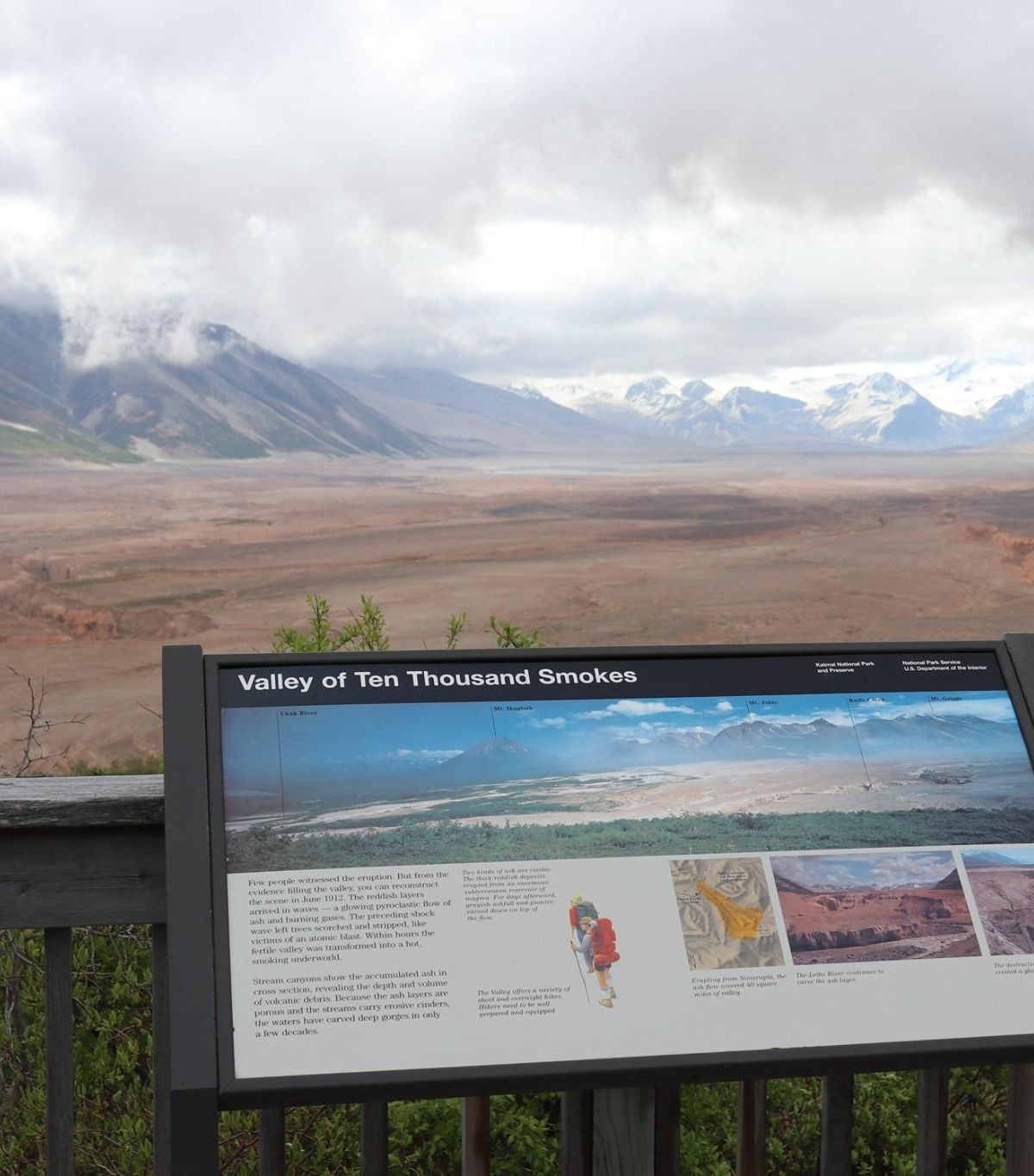
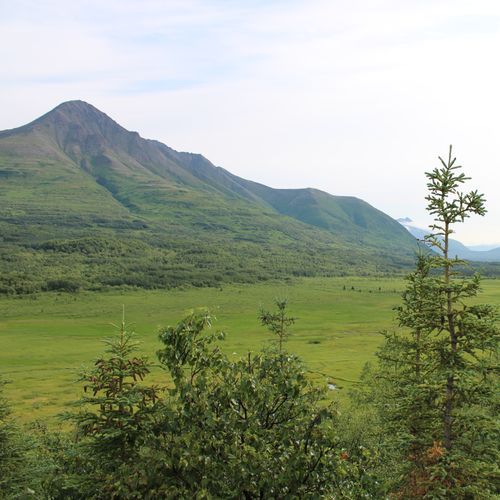
Funded by National Geographic, he led several expeditions to the blast site. Taken with the strange volcanic terrain he found there, he named it the Valley of Ten Thousand Smokes and pushed Congress to protect the land.
Congress set up Katmai National Monument in 1918 so the volcanic landscape left by the blast could be guarded and studied as an active site. President Woodrow Wilson signed the proclamation that September. The monument began with about a third of the land in today's park and preserve, yet even that was half the area of Yellowstone. In the early 1920s only a few dozen people came to see it, and the Park Service had no one posted there.
In 1931 Herbert Hoover expanded the monument under the Antiquities Act, lifting it to 2,697,590 acres and more than doubling its footprint. The aim was to shield brown bears and the rich salmon spawning waters. The new edges took in the falls at Brooks Camp, while coastal land thought to hold oil stayed out. The expansion gave the Park Service its largest single unit.
Congress passed the final ANILCA legislation in 1980. On December 2 of that year, it established Katmai National Park and Preserve, bringing the park to 3,674,529 acres and adding a 308,000-acre preserve. Hunting rules differ between the two areas: sport and subsistence hunting are prohibited in the national park but allowed in the preserve.
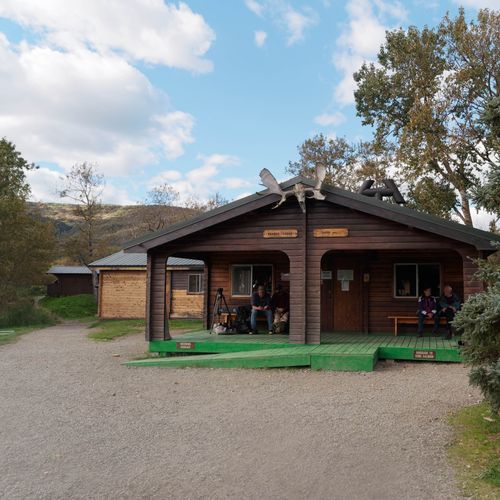
The Robert F. Griggs Visitor Center overlooks the Valley of Ten Thousand Smokes, 23 miles from Brooks Camp along the park's only road. Its exhibits explain the 1912 blast, Griggs's expeditions, the area's geology, and how the valley got its name. The center works best alongside the ranger-led valley tour, and people on that tour can continue on a ranger-led hike down to the valley floor.