New River Gorge National Park & Preserve guide · 1 min read
Thurmond: A Railroad Coal Town Frozen in Time
Thurmond's story begins with the railroad. When the railroad reached this isolated corner of West Virginia in 1873, coal suddenly had a way to leave the region.
Mining grew quickly, and in the early 1900s the town rose almost overnight beside the coalfields and along the line.
At its peak, Thurmond was the top earner on the Chesapeake and Ohio Railway, thanks to the coal hauled in from nearby mines. Many coal barons counted the town among their customers, and its banks were regarded as the wealthiest in West Virginia. Fifteen passenger trains rolled through each day, and the depot handled as many as 95,000 travelers in a year. Shops and saloons were busy, while hotels and boarding houses rarely had an empty room.
Thurmond's fortunes slipped once diesel locomotives came into use and less coal arrived from local mines. One business after another shut down, and most residents eventually moved away. Even so, the town has been left largely alone by modern building, and it still keeps much of its earlier character.
The Thurmond Historic District preserves the old boarding houses, banks, saloons and hotels, so the town's commercial core can still be seen today. The National Park Service has a walking tour that takes in nine sites. The restored 1904 depot houses the Thurmond Depot Visitor Center, where you can pick up maps and park information.
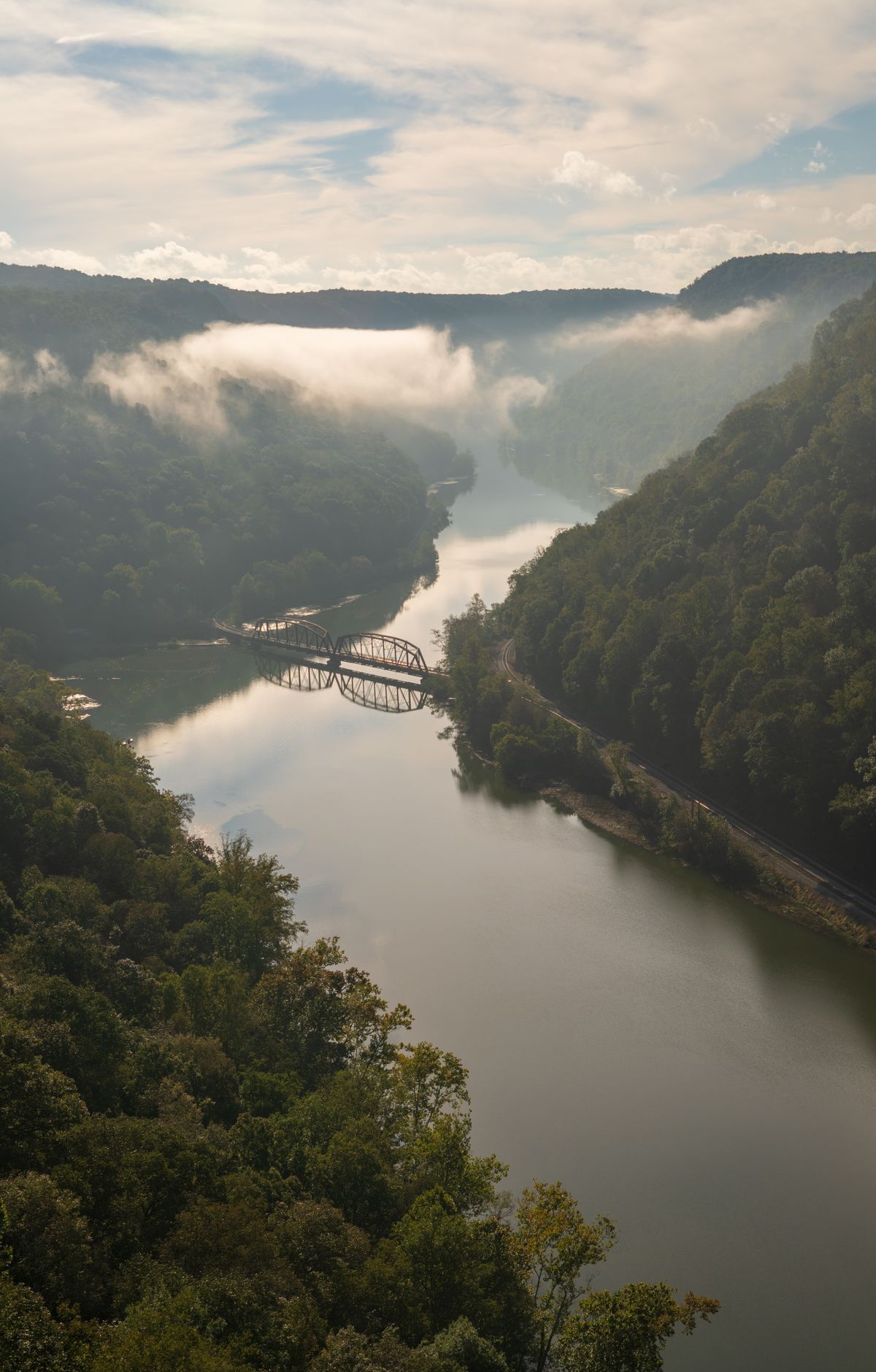
Thurmond sits inside New River Gorge National Park and Preserve, where the river falls 750 feet over 50 miles, one of the top whitewater runs in the country. To drive there, leave United States Route 19 north of Beckley at the Glen Jean exit, then follow the signs. Thurmond is seven miles down State Route 25.