Organ Pipe Cactus National Monument guide · 2 min read
Senita Cactus and Senita Basin
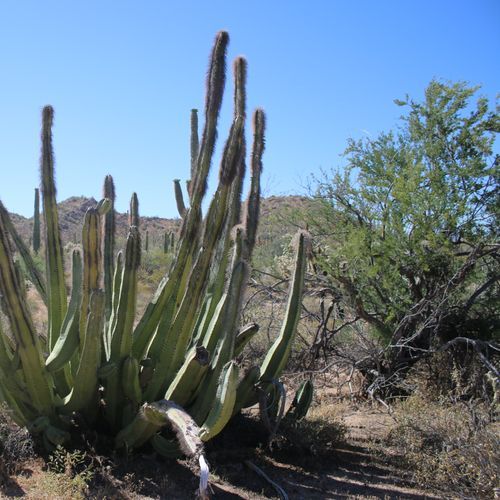
The senita cactus is one of three columnar cacti at Organ Pipe Cactus National Monument, and like the organ pipe it grows nowhere else in the United States.
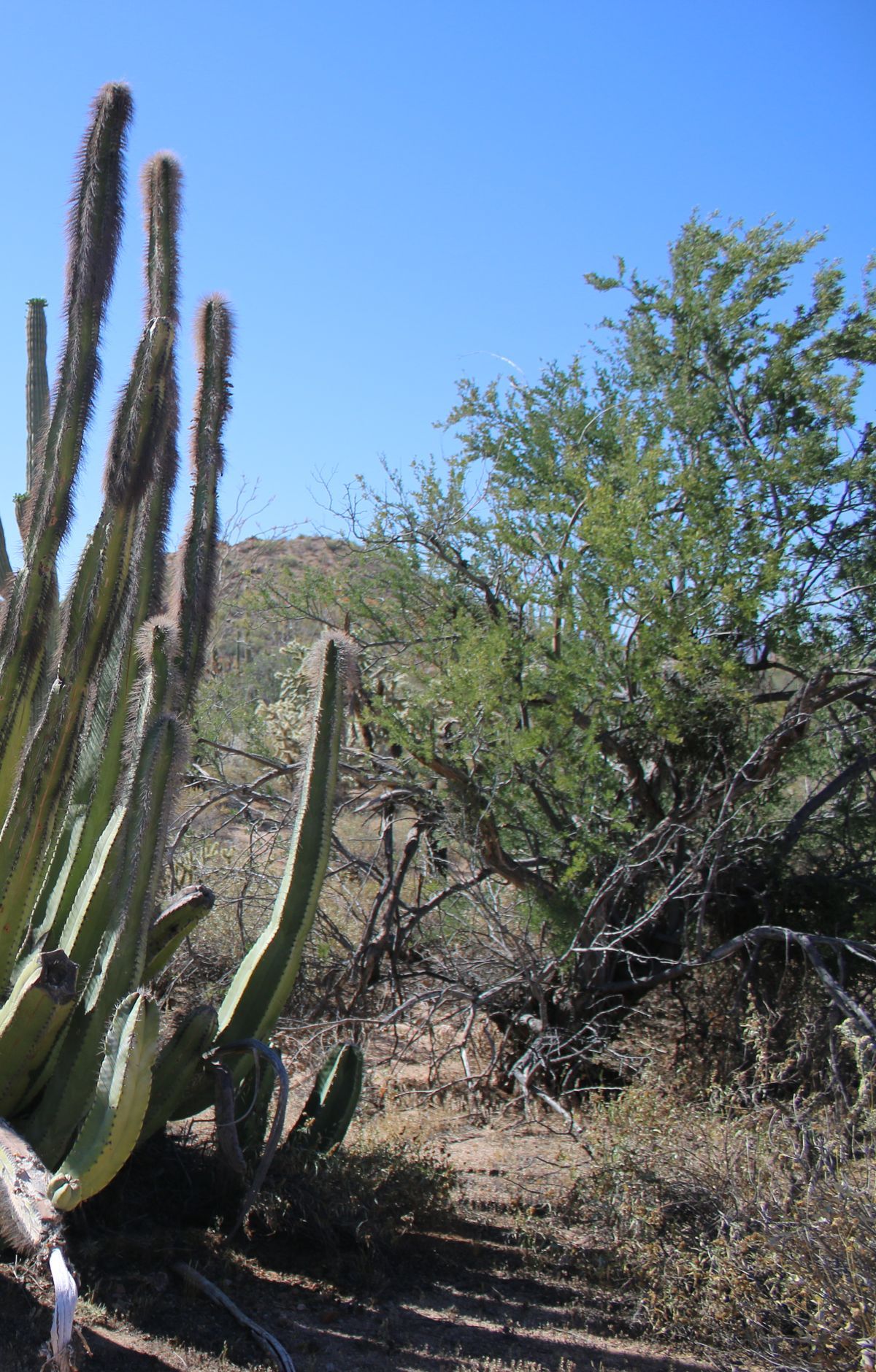
Botanists call it Lophocereus schottii, and some references list it as Pachycereus schottii. Its arms rise straight from the ground and carry only five to eight ribs, so the stems look sharper-edged than an organ pipe's. Long gray hairs at the tips of mature stems explain nicknames like old man's beard and whisker cactus, or cabeza de viejo in Spanish.
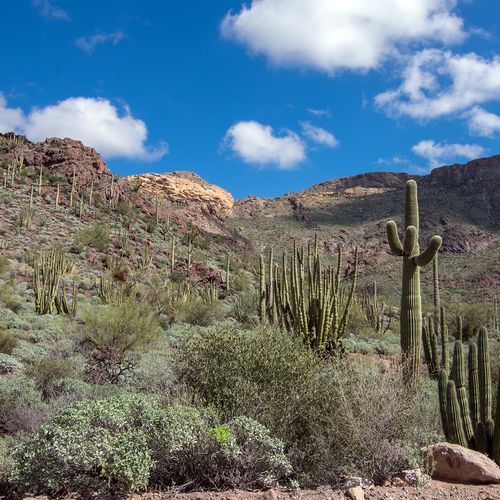
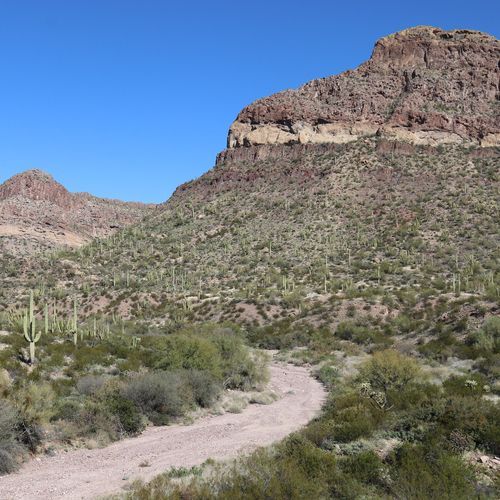
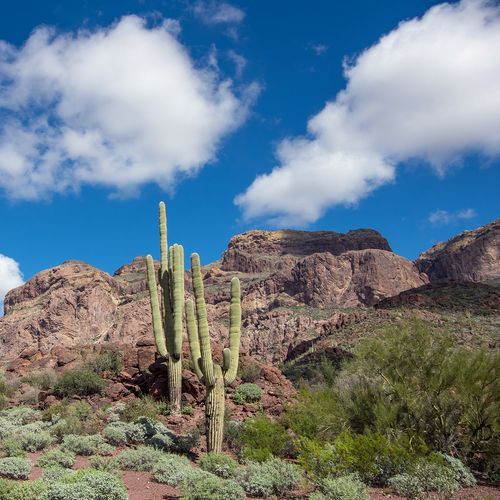
The monument marks the northern edge of the senita's range, so it survives only in a few frost-free pockets near the Mexican border. Even here, occasional cold snaps damage the stems. Senita Basin, a low area on the south side of the Puerto Blanco Mountains, holds the finest stand in the country, with the best groves along the road into the basin and around the trailhead.
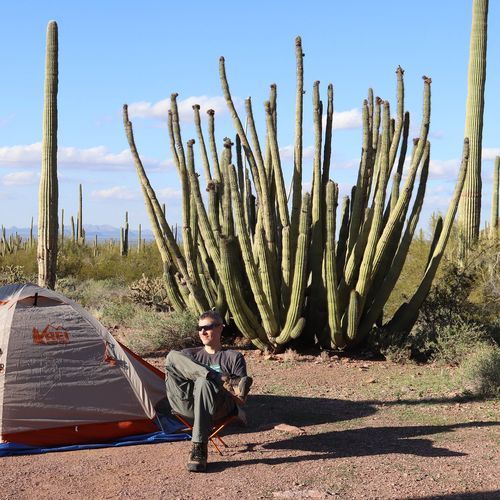
The Senita Basin Loop is an easy 3.1-mile walk that takes two to three hours. It is one of the few places where saguaro, organ pipe and senita grow side by side. A picnic table sits at the trailhead, and horses are allowed on the trail.
Look closely at the flowers, white to pink, which unfurl after dark and close again by morning. The senita moth is the cactus's only nighttime pollinator, and in return the plant feeds the moth and hosts its eggs. Birds and ants quickly eat the pulpy fruit, if the moth's larvae haven't gotten there first.
For a full day, the Milton Mine trail links to the Senita Basin loop for 8.6 miles round trip, or 10.4 miles starting from the Red Tanks Tinaja trailhead. The route passes several historic mining areas and offers quiet stretches of solitude. Birders often have good luck along the Senita Basin Triangle trail.