Pinnacles National Park guide · 1 min read
The CCC Tunnel and Roosevelt's 1908 Monument
The push to protect this landscape began at the grassroots. A local man who had led tours of the caves for years started a preservation campaign, and Stanford University president David Starr Jordan, Forest Service chief Gifford Pinchot, and local families soon joined in.
The campaign bore fruit in 1908, when Theodore Roosevelt placed the area under protection as a national monument through the Antiquities Act of 1906. The designation aimed to safeguard the unusual rock formations and talus caves.
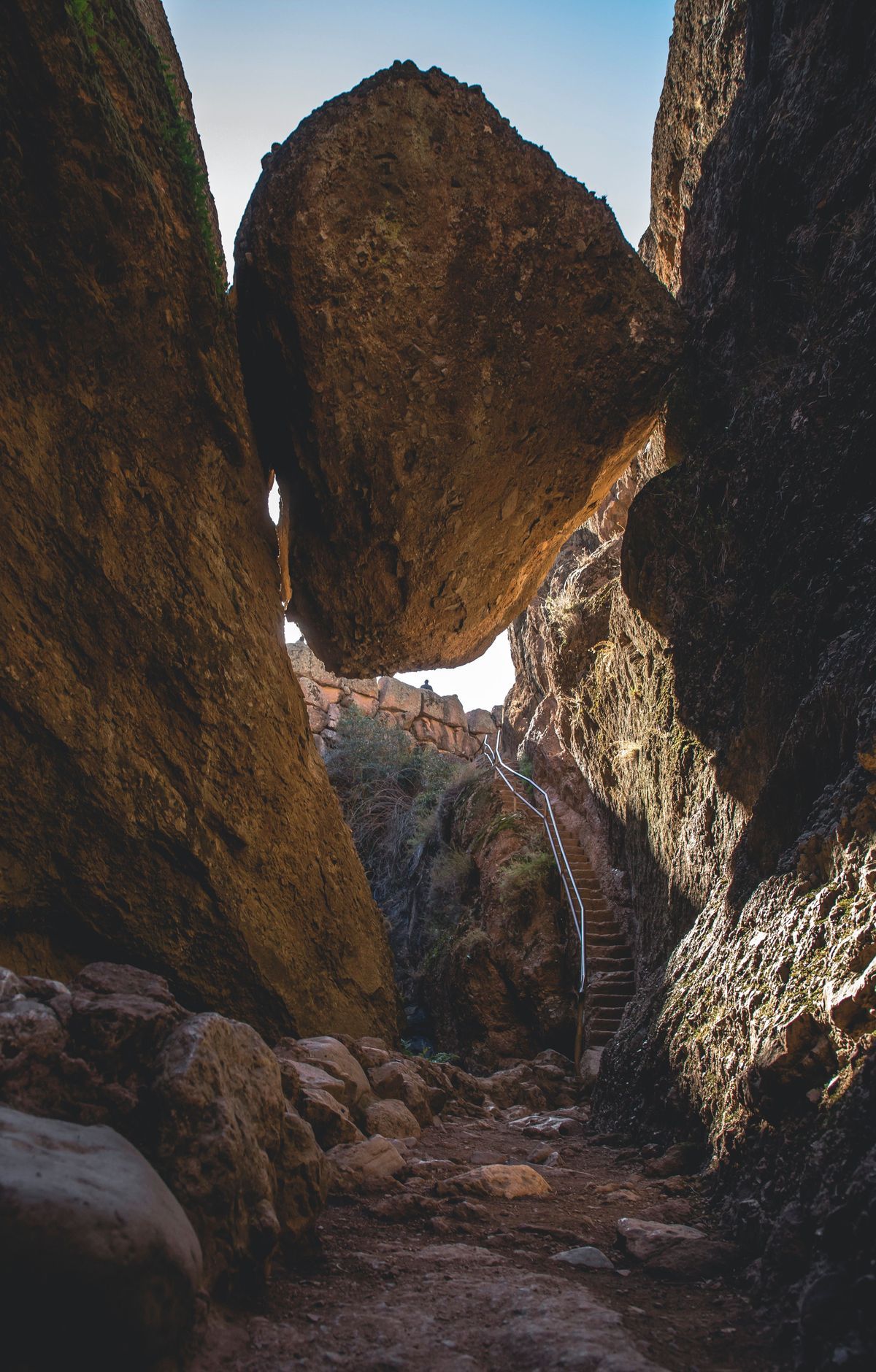
The Civilian Conservation Corps left a lasting legacy on the park between 1933 and 1942. Its crews built trails and facilities, among them the distinctive tunnel on the Tunnel Trail. They also put up tourist cabins and built the dam for the Bear Gulch reservoir. Work on a fire lookout on Chalone Peak followed in 1935.
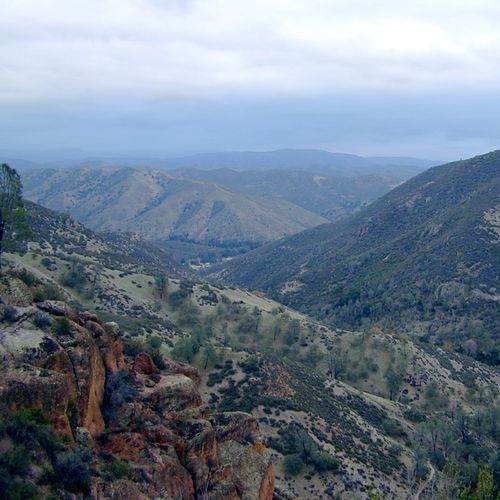
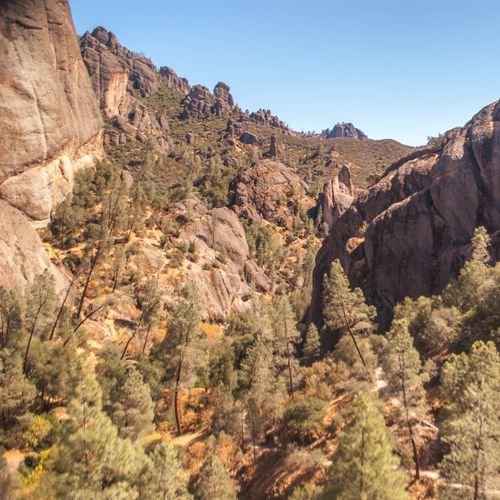
Towering rock spires and talus caves define the park's landscape. Volcanic activity produced the spires, while earthquakes shaped the caves, which bats now use as nesting sites.
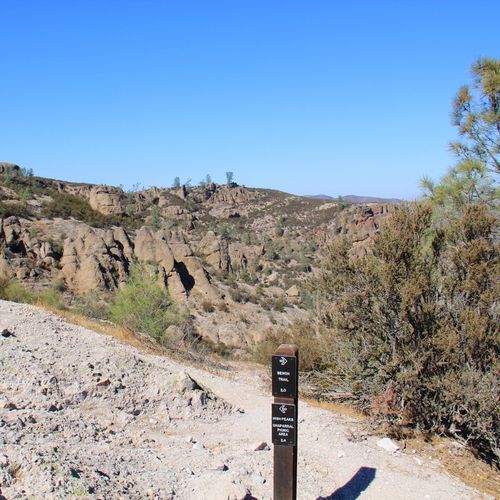
The network of trails totals more than 30 miles. Some cross open meadows, while others climb past talus caves toward the spires. One route covers about 2.3 miles from the Pinnacles Visitor Center to the Bear Gulch day use area, tracking Chalone and Bear creeks. It climbs about 300 feet and takes roughly an hour and a half one way.
Over the decades the monument expanded, and in 2013 it became a national park. Today the park spans about 26,600 acres in Central California. It sits east of the Salinas Valley, about five miles from the town of Soledad.