Redwood National and State Parks guide · 1 min read
Banana Slugs to Gray Whales: Redwood Biodiversity
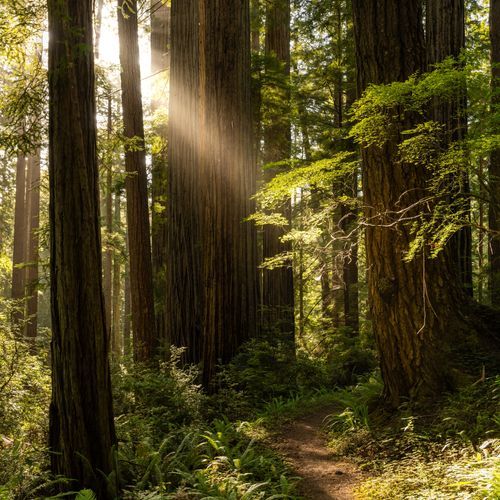
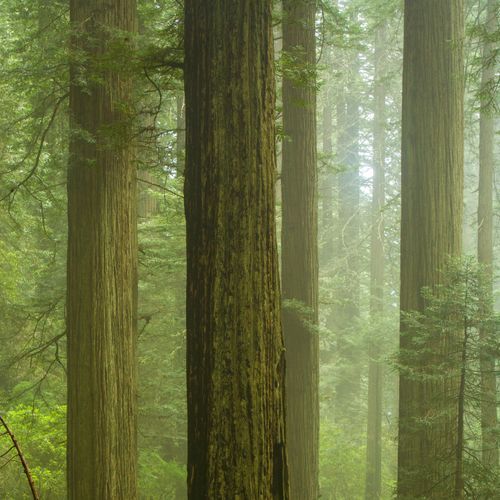
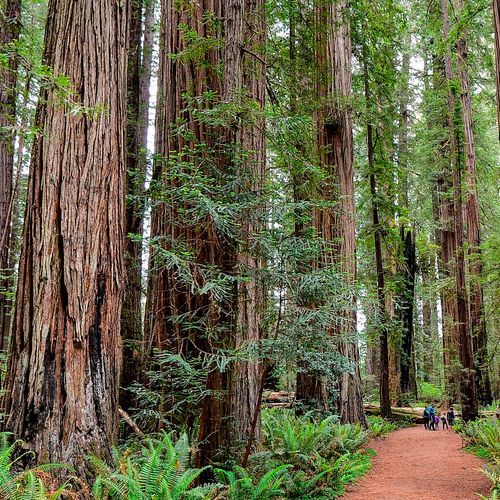
Old-growth coast redwood forests form the heart of these parks, and they hold some of the tallest trees on Earth.
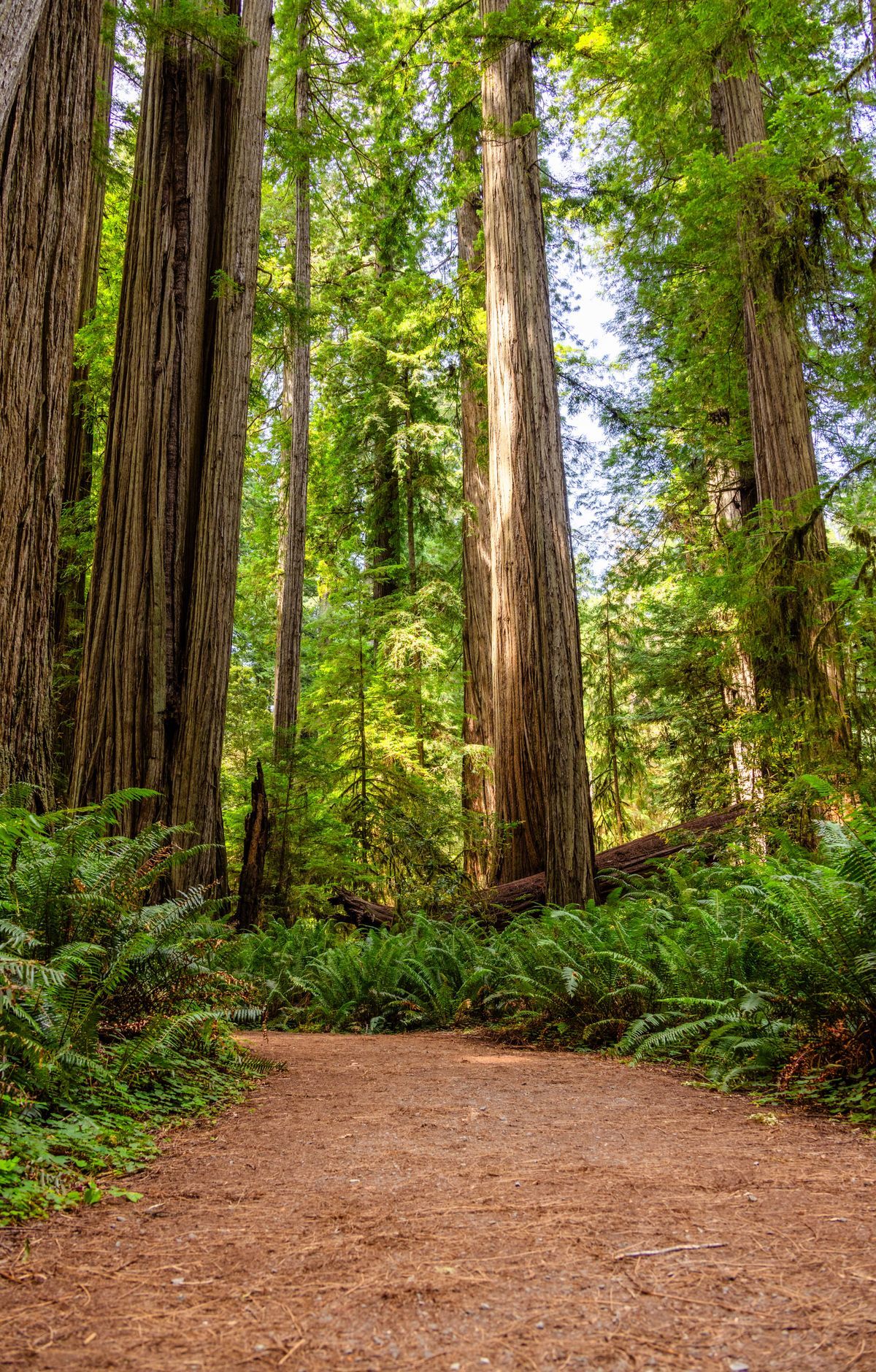
Individual trees can reach 367 feet and live for about 2,000 years. Redwood National Park protects several of these groves, which gave the whole park complex its name.
Life here is remarkably varied. Banana slugs, sea anemones, and black bears all live in these ecosystems. With some luck, a single day might bring sightings of black bears, sea stars, and bald eagles. Out on the water, gray whales and sea lions are among the easiest animals to notice.
The parks cover much more than forest. Douglas-fir and Sitka spruce stands grow alongside the redwoods. Rugged coastline stretches for 40 miles beside prairies, oak woodlands, and wild rivers. Tide pools along the shore give visitors a close look at small ocean creatures.
Roosevelt elk are one of the most easily seen large mammals in the parks, and herds graze in the prairies. Their numbers were once close to disappearing from the region, but they have recovered and are now common in park areas. The parks also shelter threatened and endangered species, including the marbled murrelet, northern spotted owl, and western snowy plover.
Hiking is one of the best ways to take it all in. The trail system stretches about 170 miles, from paved strolls to backcountry routes that last several days. Park rangers and staff also lead programs that suit all ages and backgrounds, offering a chance to learn more about the parks.