Bryce Canyon National Park guide · 1 min read
Utah Prairie Dogs, Pronghorn and Peregrine Falcons
Utah prairie dogs are a threatened species, and Bryce Canyon holds the largest protected population of them.
Reintroduction efforts in the 1980s helped their colonies hold steady. Between March and October, you can usually spot them around the mouths of their burrows. One colony sits in the meadow directly south of the Visitor Center, across the main road. A second lies on the right side of the road near Mile 2, and a third appears on the way to Sunrise Point, after the second left turn past the Visitor Center.
Watch the colonies from road pull-offs and keep out of the meadows themselves. The animals may carry fleas that transmit plague, and their bite is strong, so stay well back. Most of the park's predators eat prairie dogs, which makes a colony a good place to spot other wildlife too. Their chittering and barking can signal that a predator is close by.
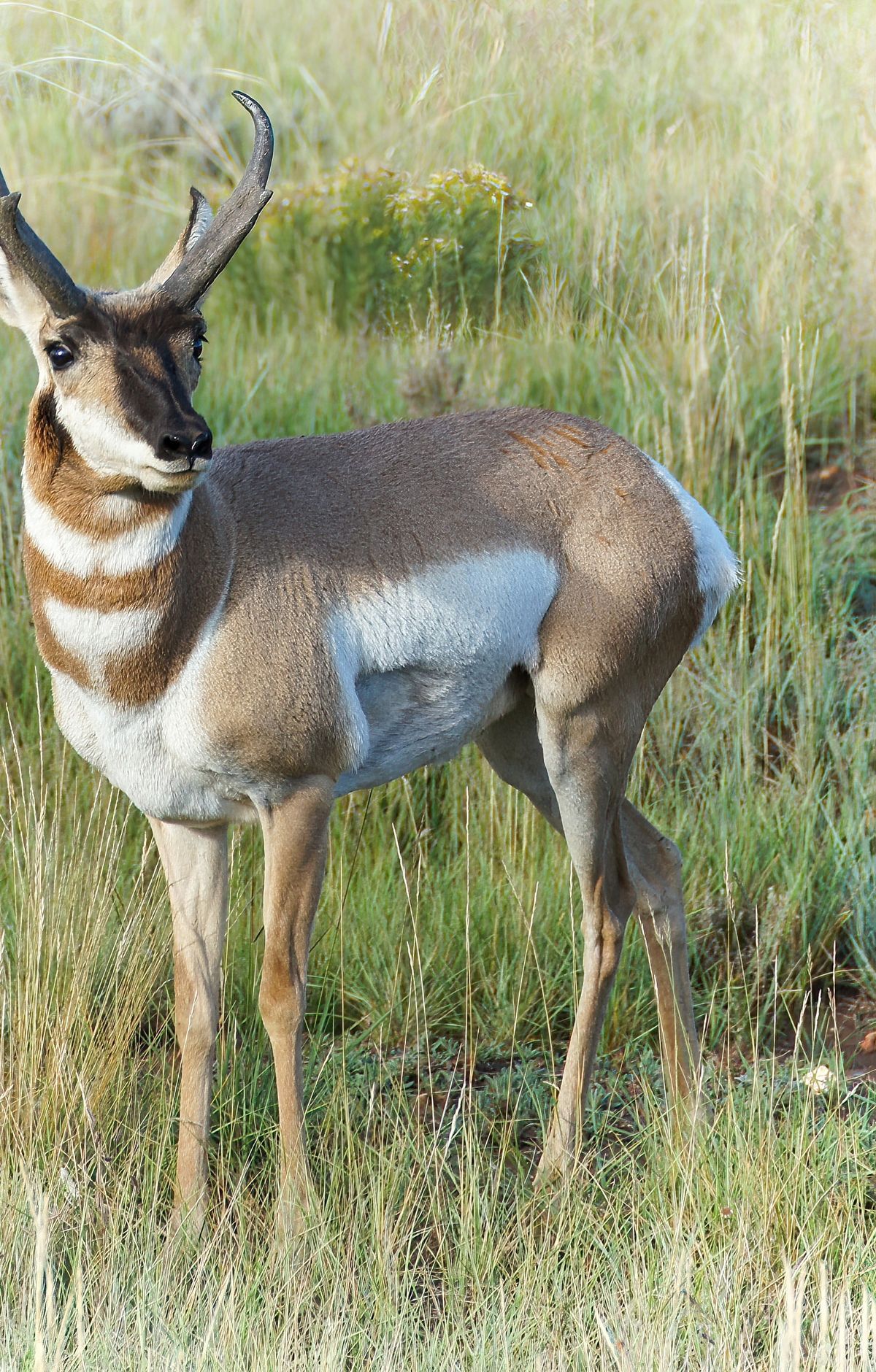
Pronghorn, Rocky Mountain elk and peregrine falcons travel across the park's amphitheaters and forested plateau, and they do not stop at the park's edges. Peregrine falcons nest here, and elk appear only during certain seasons. Clark's nutcracker is one of the commonly seen birds, along with Steller's jays and ravens.
Wildlife watching is available day, night, dawn and dusk. Binoculars let you keep a safe distance, and a telephoto lens helps with photos. Federal law prohibits feeding any wild animal in the park.
Birdwatchers can count 175 documented species here. Some are only passing through, while others stay for a full season. The park has also hosted Utah Prairie Dog Day, with ranger-led viewing sessions, a talk about the species and an art contest for students from area schools.