Bryce Canyon National Park guide · 2 min read
Ebenezer Bryce and the Paria Valley Pioneers
Ebenezer Bryce gave the park its name. A Scottish immigrant, he was sent by the Church of Jesus Christ of Latter-day Saints to make a home in the Paria Valley, east of the canyon, and he put his building skills to work there.
He had settled in the valley by 1870. In 1875 his wife, Mary, and their ten children joined ten other Latter-day Saint families in the valley.
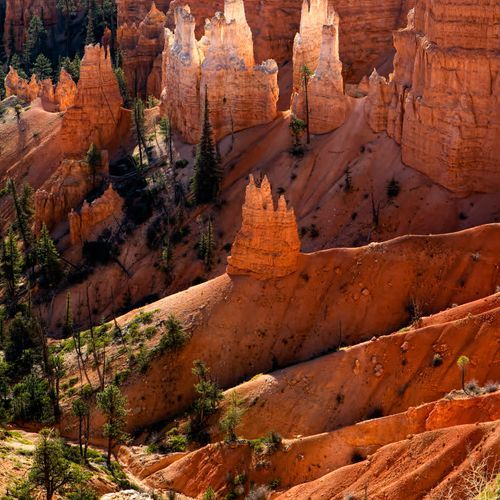
Mormon pioneers first reached the region as scouts in the 1850s, sizing up whether the land could support farming and grazing. Small groups followed and tried to settle along the Paria River. By 1873 the Kanarra Cattle Company was grazing herds there, and Bryce ran his own cattle on land that is now inside the park. His family built a cabin below Bryce Amphitheater, the park's main cluster of hoodoos.
Bryce also had a blunt opinion of the terrain. He is said to have judged the canyon a dreadful spot for a rancher to misplace livestock. Looking over the amphitheaters today, it is easy to see the complaint.
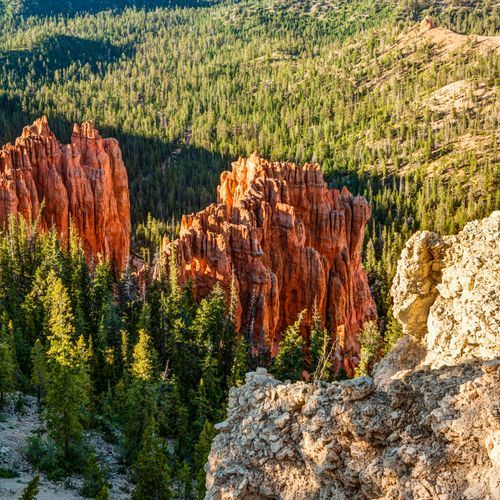
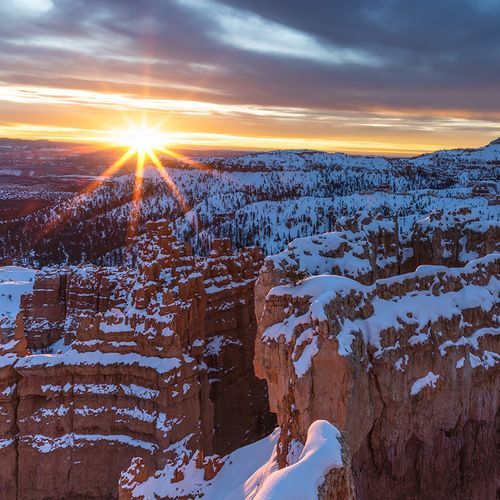
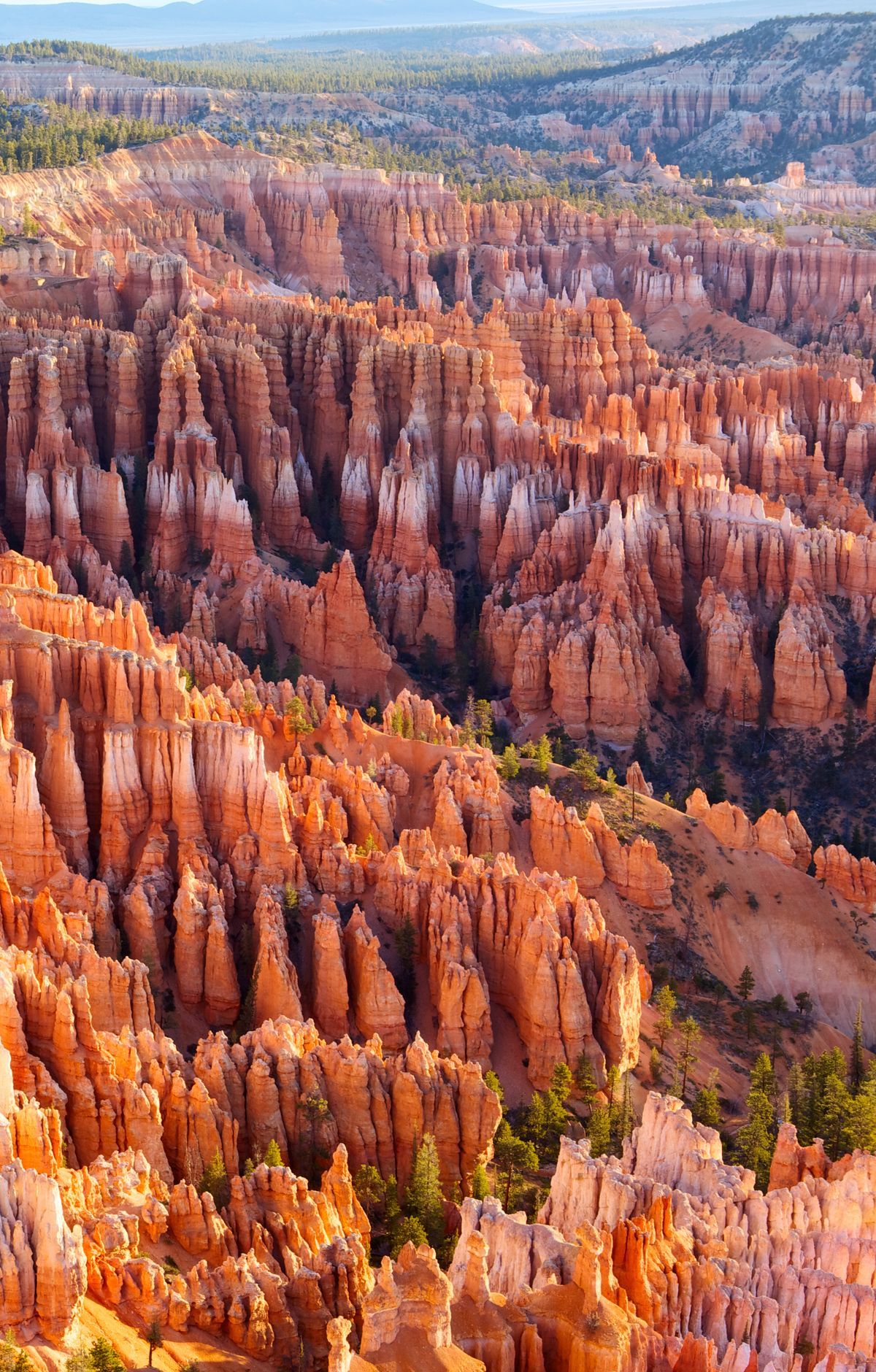
Bryce Point is one of four main viewpoints over Bryce Amphitheater, and it is often called the most recognizable of them. It carries the name of the settler who lived in the valley below, and from its edge the view covers the park's busiest area. Paria View, a short paved walk from the parking lot, offers a quieter alternative. It overlooks an amphitheater more than 500 feet deep, formed by the headwaters of Yellow Creek.
Water shaped life for the settlers too. In 1891 the Tropic Ditch started carrying water from the plateau, through the Mossy Cave area, to the newly founded town of Tropic. Most of the park's other viewpoints are strung along Route 63, and stopping at them lets you look down on hoodoos and red rock from above.