Cabrillo National Monument guide · 2 min read
Rare Coastal Sage Scrub Plant Communities
From the 422-foot ridge of Point Loma down to San Diego Bay on the east and the Pacific Ocean on the west, the scrubland at Cabrillo National Monument falls into four communities.
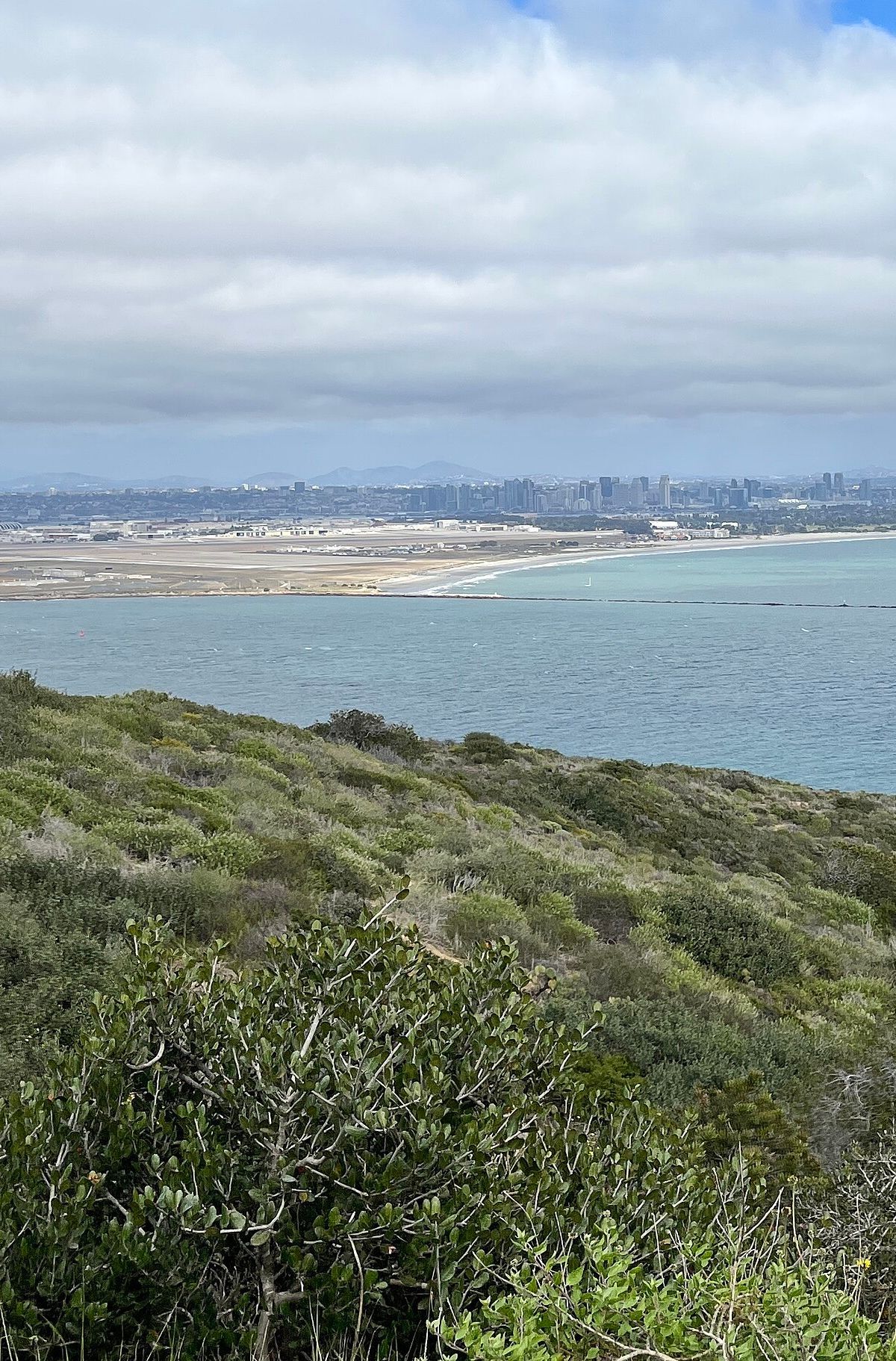
They are southern coastal bluff scrub, maritime succulent scrub, Diegan coastal sage scrub, and southern maritime chaparral. Between them you can find snake cholla, prickly pear cactus, Mojave yucca, Shaw's agave, California sagebrush, California buckwheat, lemonadeberry, California coast poppy and Indian paintbrush.
Coastal sage scrub once lined much of the southern California shore. Most of that land is now developed, and within California no more than about 15 percent of the original habitat is thought to survive, in scattered patches. The monument protects some of the highest quality coastal sage scrub left in San Diego County. It is one of five partners managing the Point Loma Ecological Conservation Area, an 840-acre refuge for this endangered habitat.
These plants belong to a Mediterranean-climate ecosystem, with rainy winters, warm dry summers, rare frost, and roughly 10 to 20 inches of rain a year. Climates like this cover only about 2 percent of the planet's land, yet they support nearly 15 percent of its vascular plant species.
Surviving the long dry season takes adaptation. Lemonadeberry has tough, waxy leaves that hold moisture in, while other shrubs carry fine white hairs that reflect sunlight and slow drying winds. Cacti have leaves shrunk down to spines, some plants shed their leaves for summer, and many flowering species go dormant, looking dead while still growing. Roots can reach past 30 feet, holding soil in place through winter and spring rains.
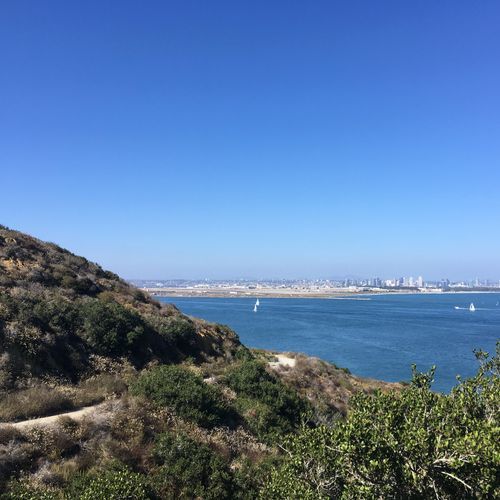
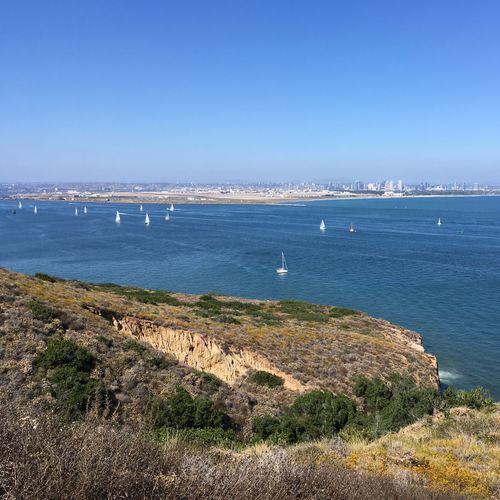
The Bayside Trail, a self-guided walk of two and a half miles round trip, passes through this habitat. Along the Coastal Trail, stop just past the two staircases and look east to the shrubs lining the cliff where the Visitor Center sits. Watch for small, waxy leaves and flowers that appear after rain.