Cuyahoga Valley National Park guide · 2 min read
Fall Color and Frozen Falls: When to Visit
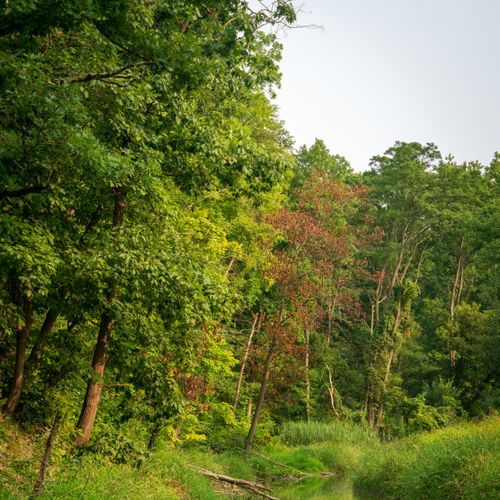
Fall color usually peaks from mid to late October, and the timing stays fairly consistent from year to year because it follows the shorter days of approaching winter.
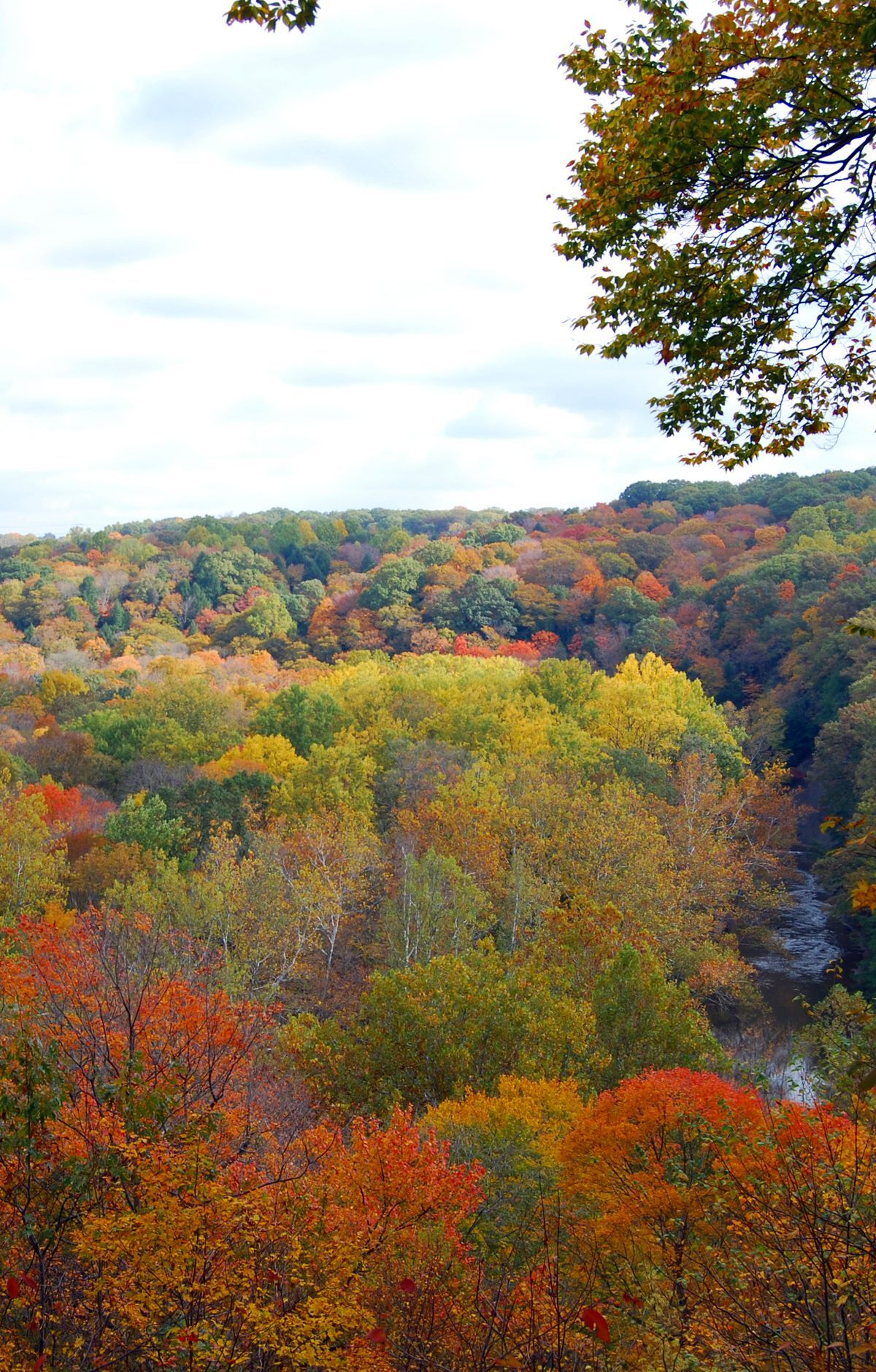
The brightest colors tend to follow warm, sunny days and nights that stay above frost, while gray skies and too much rain can dull them. Sugar and red maples tend to lead the way, and because other trees peak on their own schedules, the display can stretch across most of the month. The park's guide to fall color lists hiking as the activity to pair with it, so the trails are a natural place to start. On warm, sunny weekends, many parking lots fill up around midday, so arriving early helps.
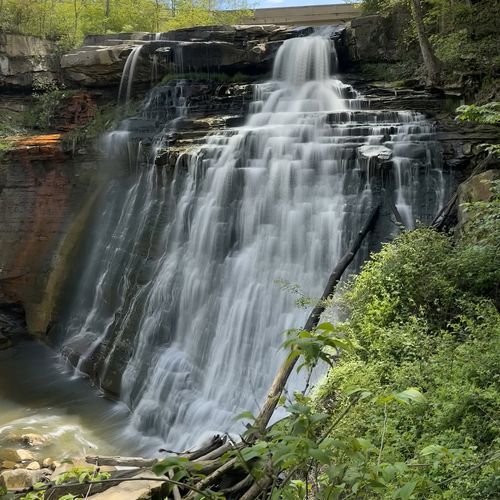
About 100 waterfalls are scattered through the valley, and Brandywine Falls is the one visitors most often seek out. Standing 65 feet high, it is the park's loftiest drop, and only three waterfalls in Ohio are taller.
Winter days are cold, and in January the high may struggle to reach the freezing mark. Snow is likely, and waterfalls can freeze, which turns the falls into a winter sight. Crowds stay low in winter, so the trails feel quiet for anyone willing to bundle up. Cross-country skiing is one of the cold-season activities available.
Wildflowers begin appearing in mid-February, when skunk cabbage, which likes soggy ground, is usually the first up near the Ira Trailhead at Beaver Marsh and along the Haskell Run Trail by the Ledges. By mid-April a good mix is blooming, and the display carries on into May until new leaves overhead shade the forest floor too much. A few rainy days can turn the trails to mud, so pack accordingly.
Summer brings warm, muggy days, with average highs in July and August sitting in the mid-80s. The park experiences four distinct seasons, so your ideal month depends on what you're after. Layers help, because the gap between daytime highs and overnight lows can be wide.