Dry Tortugas National Park guide · 1 min read
Sea Turtles of the Tortugas
The islands were first called Las Tortugas, the Spanish name for the sea turtles that swim around them and nest on their sandy beaches.
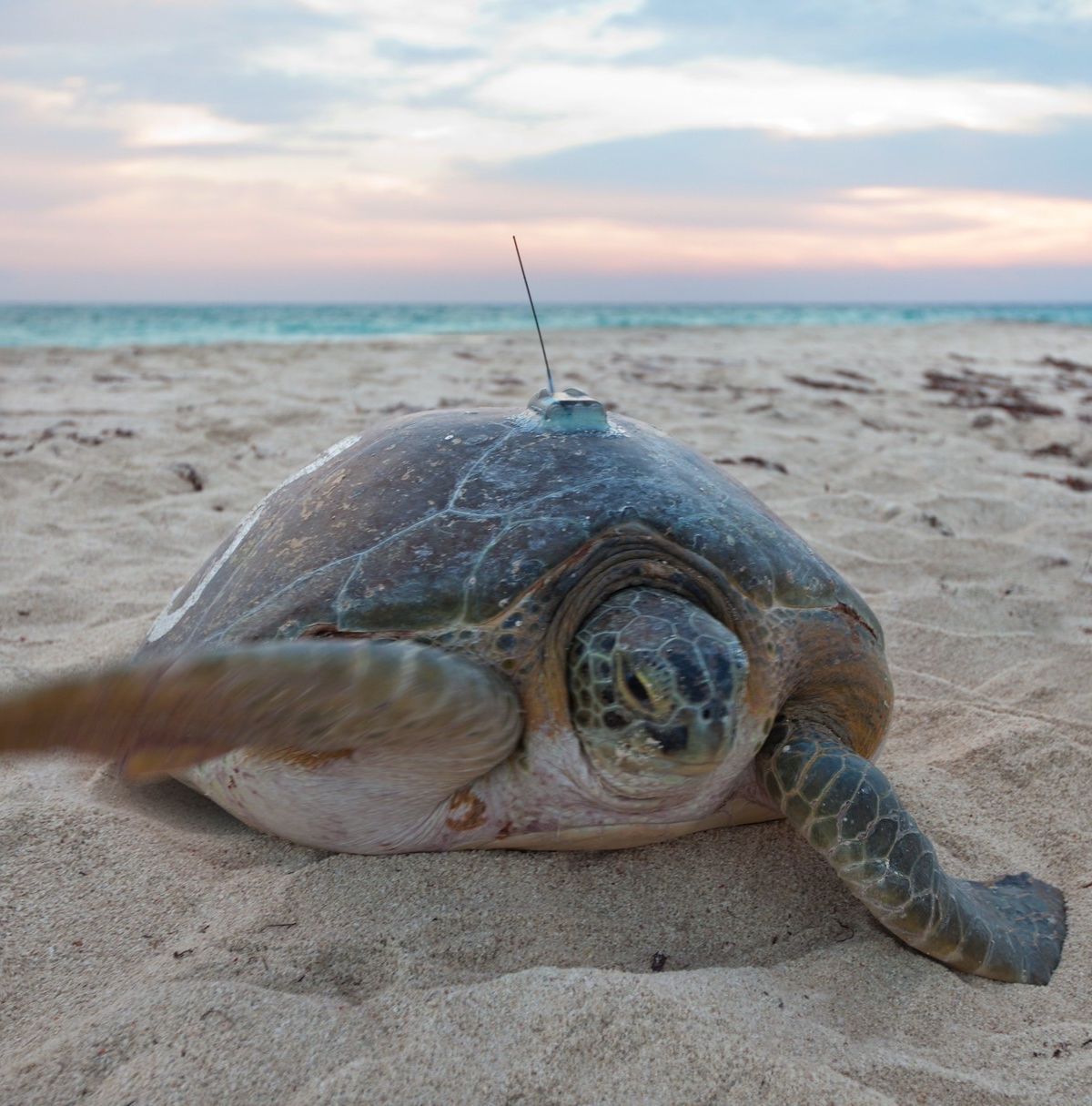
Juan Ponce de León reached the islands in 1513, and the name Dry Tortugas reflects both the lack of fresh water and the abundance of turtles. Five species of sea turtles are commonly found in the park, and green and loggerhead turtles are two of its common nesters.
Visitors arriving by ferry or seaplane may spot turtles as they near the islands. Turtles also move through the shallow water around the islands, and green and loggerhead turtles come ashore on the white sand to lay their eggs.
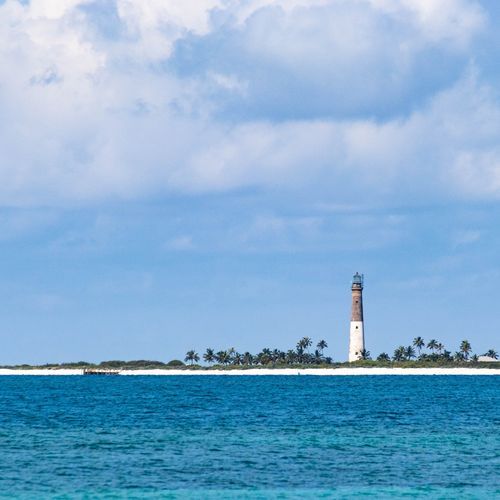
Loggerhead Key is the largest island in the park, covering about 49 acres. It sits three miles from Garden Key, so boats are the only way to reach it. Paddlers can kayak there, but they need a permit from the National Park Service and must spend the night on Garden Key, since a round trip does not fit into a day. The island is named for its many loggerhead turtles, and the Loggerhead lighthouse, built in 1857, stands on it.
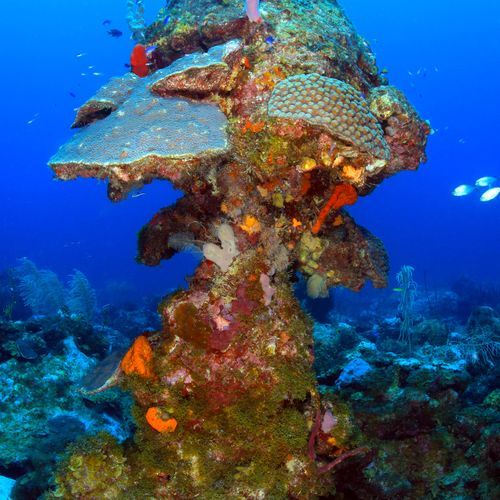
Beneath the surface, coral reefs offer snorkelers and divers a chance to meet tropical fish, octopus, sharks, lobsters, and sea turtles. The park sits at the southwest corner of the Florida Keys reef system, which is the third largest in the world. Its remote location and a current flowing past the islands bring a greater abundance of marine life, often in larger sizes, than anywhere else in the Florida Keys.
When you spot a sea turtle, keep your distance. All wildlife in the park is protected, and nearly 300 species of birds visit the islands over the course of the year.