Gettysburg National Military Park guide · 1 min read
A Town of Hospitals: Gettysburg's Aftermath
When the armies moved on, they left behind a town in ruin and more than 51,000 soldiers who were dead, wounded or missing.
Wounded men filled nearly every building, and the farm fields and gardens nearby became graveyards. The majority of the dead were placed in rushed, shallow graves, and some were never buried at all.
Houses of worship, public buildings and private homes became hospitals, while the Union medical staff left in the area struggled to keep up. To meet the need, Camp Letterman General Hospital opened east of town. From there, patients were sent on to hospitals in Philadelphia, Baltimore or Washington. Over 20,000 wounded men from both armies came through its wards, which were sheltered by large tents. By January 1864 the last patients, surgeons, nurses and tents had gone.
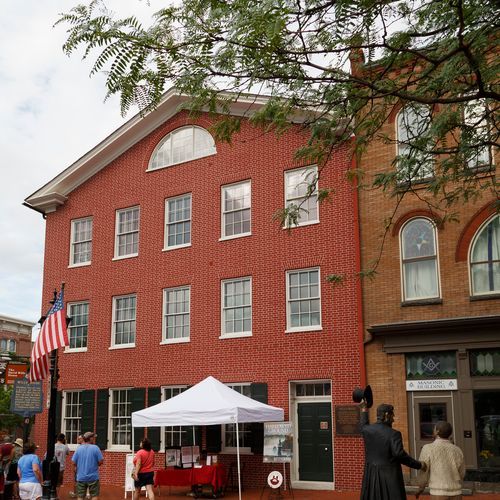
Gettysburg residents faced the cleanup of their own town. Before the battle, it was a rural community much like others in south-central Pennsylvania. Local attorney David Wills had a brick home near the middle of town, and it became the hub of the cleanup. Today the David Wills House is in the park, and it is also where Abraham Lincoln polished the speech that became the Gettysburg Address.
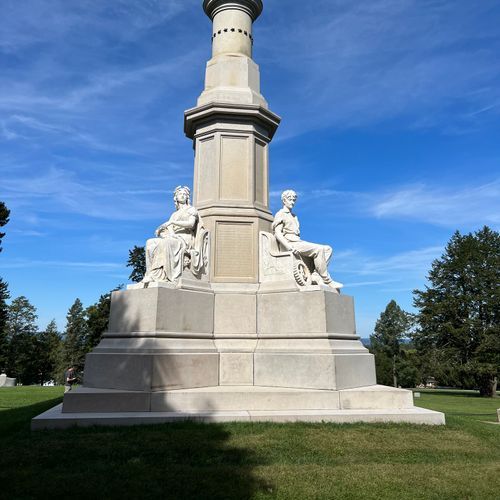
Most Union dead are buried in Gettysburg National Cemetery, which was created for the soldiers who fell in the battle. Its Soldiers' National Monument stands at the center, and Lincoln gave the Gettysburg Address during the cemetery's consecration.
The park also keeps a database covering men from Pennsylvania who fought in the battle, plus the dead and wounded from both armies. Staff at the park information desk can help you search it.