Glen Canyon National Recreation Area guide · 2 min read
11,500 Years of People in Glen Canyon
People have lived in the canyons here for about 11,500 years, and the record runs right up to the present.
Researchers have arranged the Native American past here into a sequence of eras and cultural stages. The park's records of people living here reach back more than 10,000 years, and some places still hold lasting cultural meaning for many groups.
Archaic and other prehistoric cultures moved through the canyons and made camps and homes there for thousands of years. Historic tribes, explorers, ranchers and miners came later, and each group left its own traces on the land. People descended from these earlier groups still feel a close connection to the area today.
Historians split the area's historic era in two at 1776, the year of the Dominguez and Escalante expedition. In 1869, John Wesley Powell's expedition on the Colorado River recorded carved walls, arches and alcoves along the way. It was Powell who settled on the name Glen Canyon for the place.
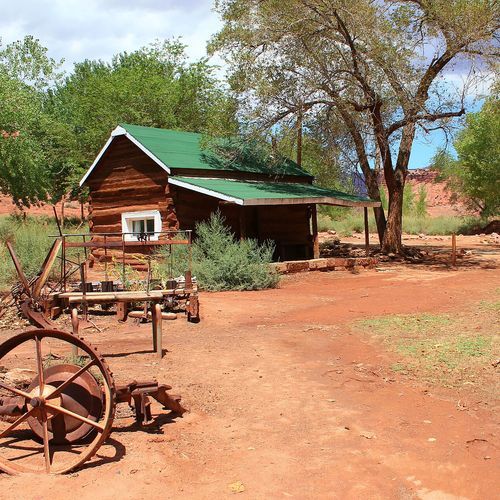
Homesteaders, river runners and uranium miners came in more recent times, living and working among the canyons until Lake Powell rose over them. Members of the Church of Jesus Christ of Latter-day Saints also settled the region, and their early communities are among the historic sites here. Glen Canyon serves as a meeting ground where different peoples repeatedly crossed paths over long stretches of time. Lee's Ferry and Lonely Dell Ranch are also among the park's listed facilities.
Archeologists opened digs at 16 sites beginning in the summer of 1958. The work tested an idea that prehistoric people on the highlands to the south, including Cummings Mesa, used the lower canyon only part of the year to plant fields and collect raw materials. Most of what turned up was worked stone, such as points, scrapers, drills and blades. Of the four kinds of site they recorded, open sites on rock terraces made up the majority.