Grand Canyon National Park guide · 2 min read
Summer Heat, Monsoon Storms and Canyon Seasons
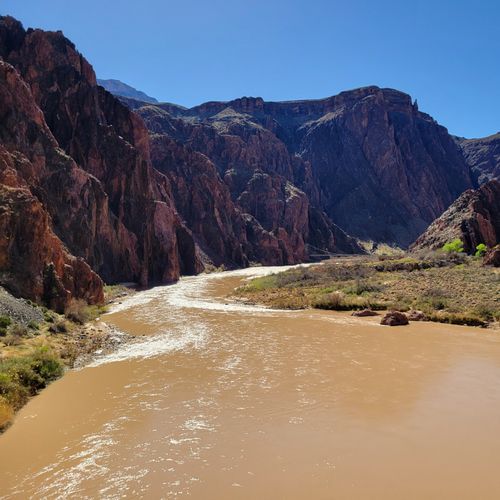
At the river near Phantom Ranch, roughly 2,400 feet above sea level, summer afternoons typically climb past 100 degrees.
July in the inner canyon averages a high of 106, and on the worst days the heat can top 120. Temperatures like these are a real danger to the body, not just an inconvenience.
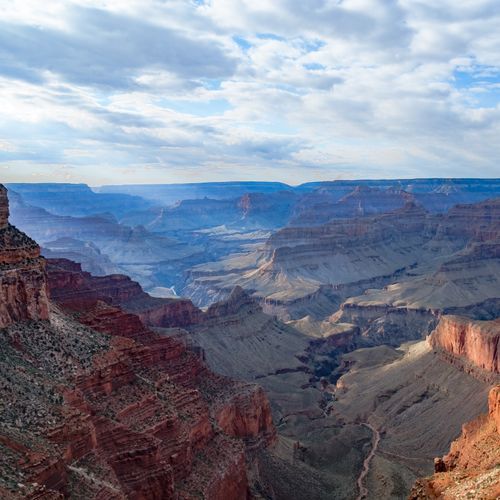
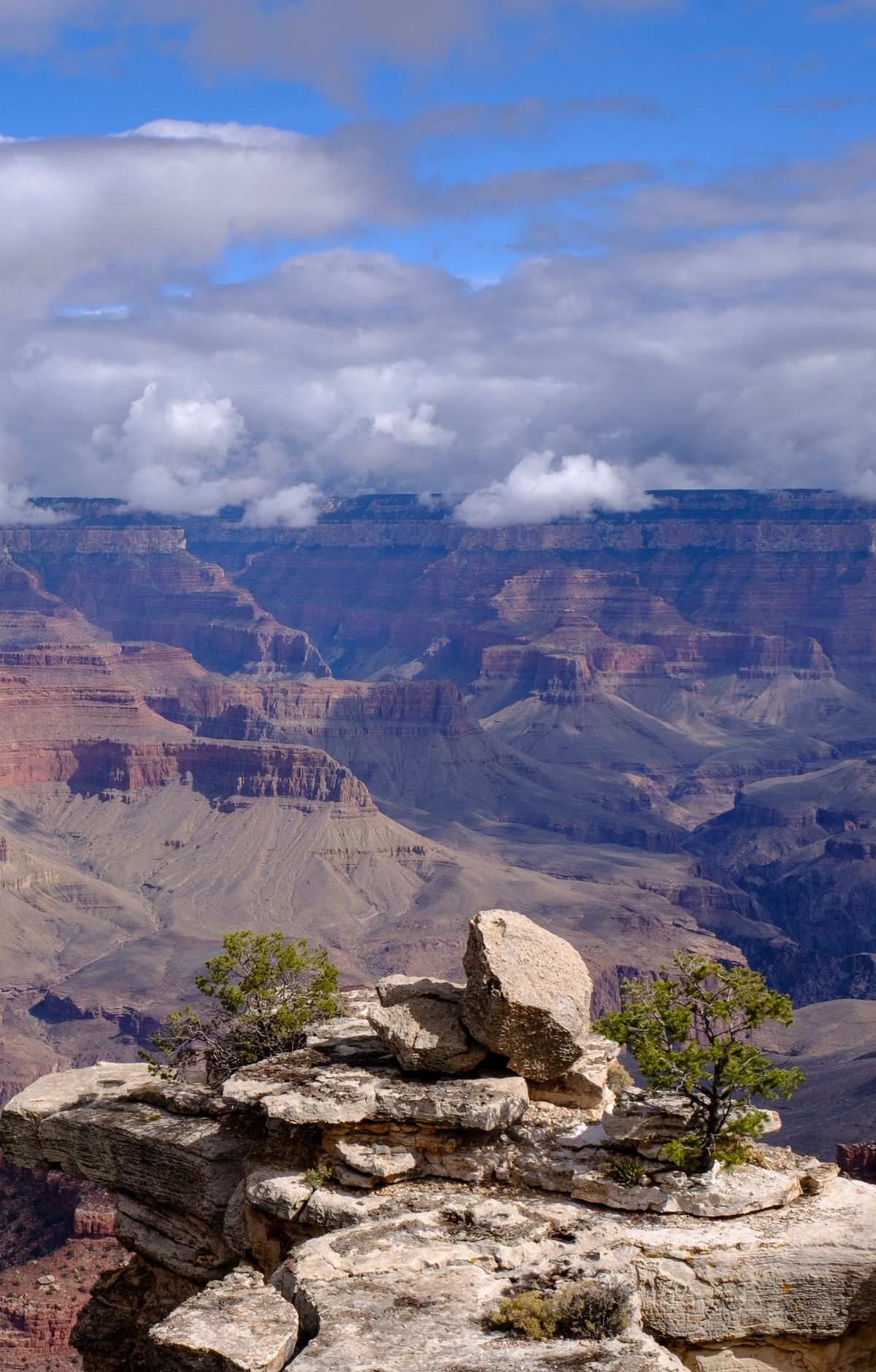
The gap between top and bottom comes down to elevation. The park spans from about 2,500 feet at the canyon floor to 8,400 feet on the North Rim, and the inner canyon usually runs 20 to 30 degrees hotter than the rims. In summer the South Rim, near 7,000 feet, tends to reach the 80s, while the North Rim, around 8,000 feet, usually stays in the 70s. A cool morning at a viewpoint says little about conditions a few miles down the trail.
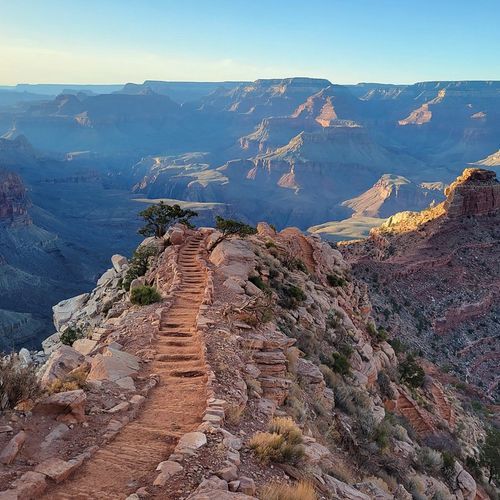
For summer hiking, check the forecast before every outing and keep watching the sky as you go. Build the heat into your plan from the start. Canyon guides regularly come across inexperienced hikers in desperate shape, and some do not survive. An unusual share of those deaths involve young people who overestimate what they can do.
From July through September, monsoon storms bring frequent afternoon thunderstorms and much-needed rain. Lightning comes with them and has killed and injured visitors here. Photographers face added risk because cameras and tripods are made of metal. If you hear thunder or see lightning, leave the rim and get indoors right away. Flash floods can also roar through side canyons even under dry skies, fed by rain falling upstream.
Summer, Easter and Christmas draw the largest crowds, with long entry lines and full hotels. Spring and fall bring pleasant weather and fewer people. Winter is the quiet off-season, cold and often snowy on the rims, and the North Rim closes for winter.