Grand Canyon National Park guide · 2 min read
Two Billion Years of Rock to Vishnu Schist
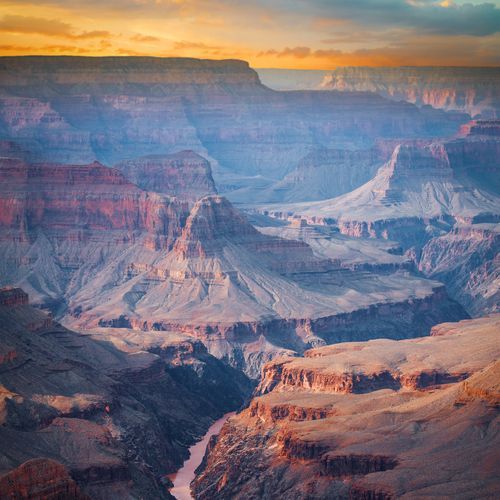
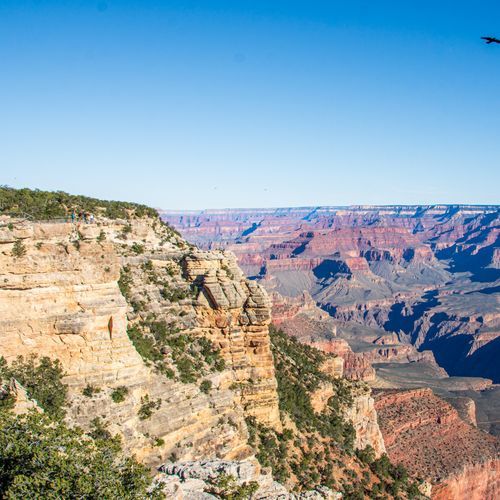
At the bottom of the Grand Canyon lies rock about 1.8 billion years old. At the rim, the youngest layer is about 270 million years old, which is still far older than the dinosaurs.
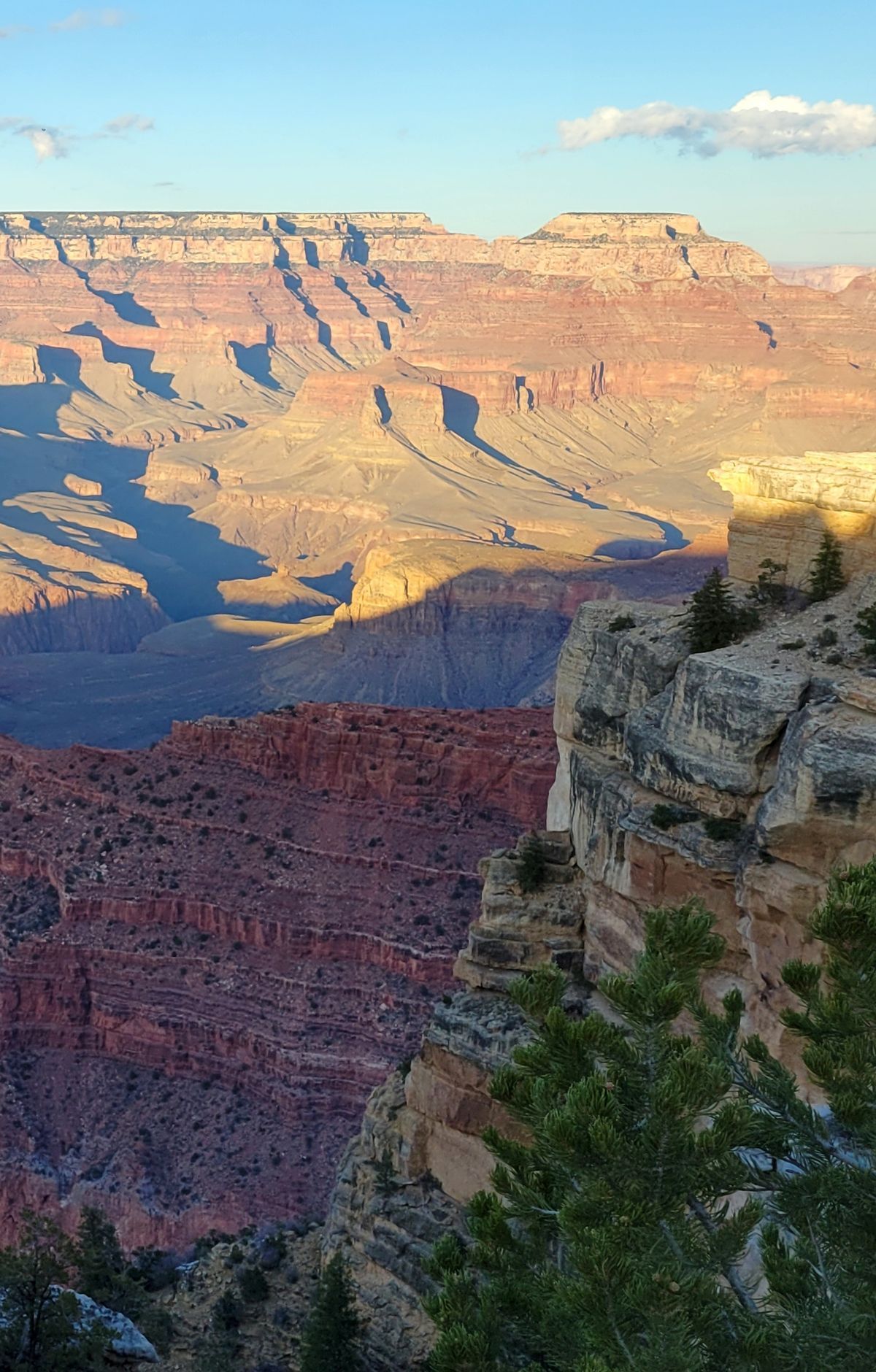
Between those two points sits a record of nearly two billion years of geologic history, stacked layer upon layer.
Geologists sort the canyon's rocks into three sets, and the Vishnu Basement Rocks are one of them. The canyon's first rocks were igneous rocks that formed almost two billion years ago and were later covered by many layers of sedimentary rock. Another set of ancient layers, the Grand Canyon Supergroup, includes the Unkar Group and the Chuar Group. The Unkar Group offers a glimpse of the region roughly a billion years ago, while the Chuar Group records the time leading into Snowball Earth.
The Trail of Time turns those huge numbers into something you can walk. This paved timeline runs about 1.3 miles along the rim between the Yavapai Geology Museum and Grand Canyon Village. A short time accelerator section at the start eases you from years and centuries into millions and billions. After that, each meter equals one million years, marked by bronze markers with every tenth one labeled.
Begin at the museum, where the timeline starts at the present day, and walk back in time. Rock samples from the canyon's many layers rest beside the path at the spots matching their ages, and you can see and touch them. Exhibits along the way explain how the canyon and its rocks formed.
The canyon itself is young compared with its rocks. The plateau was lifted roughly 30 to 70 million years ago, and the Colorado River began carving through the rock about 5 to 6 million years ago. Today the canyon stretches 277 miles long and about a mile deep. Hikers who descend from the rim to the river pass almost two billion years of history on the way down.