Grand Teton National Park guide · 1 min read
The Teton Fault and a Rising Range
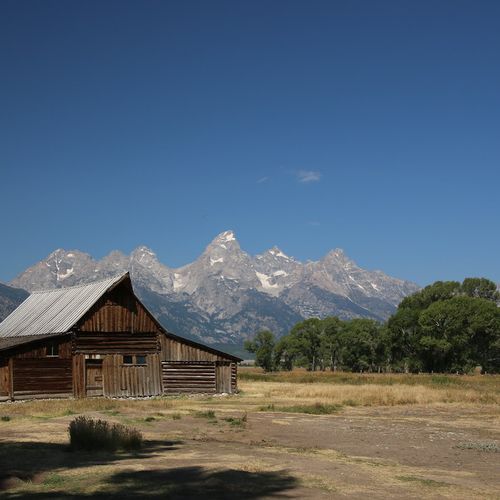
The Teton Range is the youngest range in the Rocky Mountains, and it began forming between six and nine million years ago.
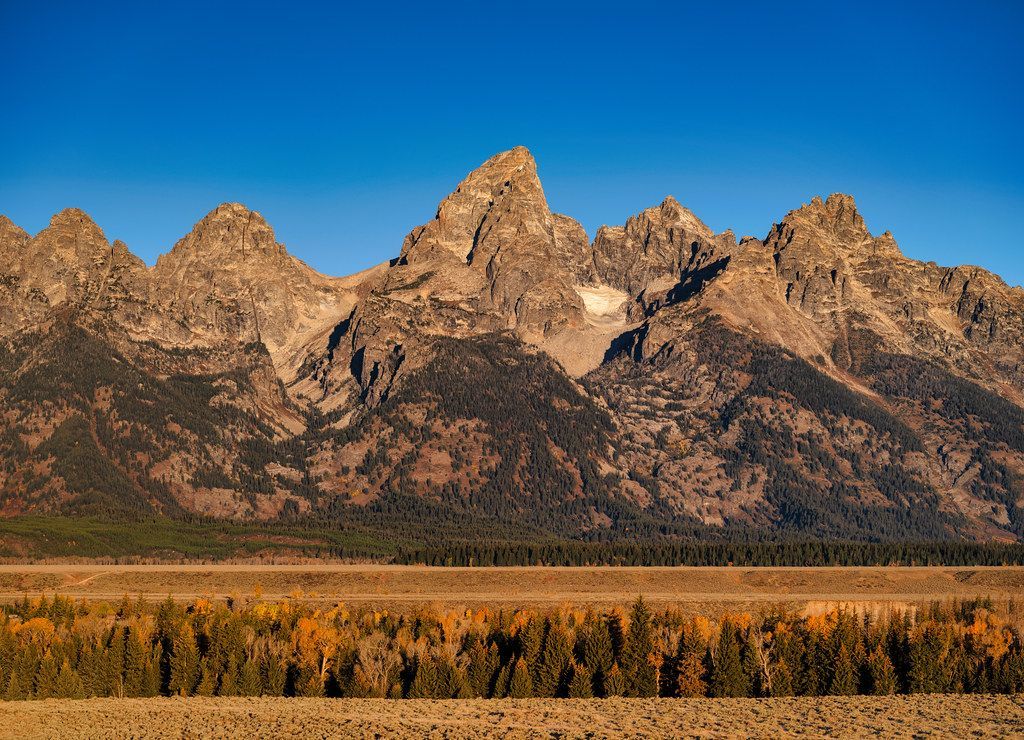
It climbs straight out of Jackson Hole with no foothills, along an active mountain front about forty miles long. The reason is the Teton Fault, which runs along the eastern base of the peaks.
Over time, earthquakes on the fault pushed the western side up and dropped the eastern side down, at an average of about one foot every three hundred to four hundred years. Most of that movement came in the last two million years. Look near the base of Rockchuck Peak and you can see the fault as a nearly flat line just above the trees.
Jackson Hole is the block that sank. The valley is about fifty-five miles long and has dropped some thirty thousand feet along the fault. Sediment eroded from the mountains filled much of it, so the rise from valley floor to summit is about seventy-seven hundred feet. The range tilts westward, rising steeply above Jackson Hole and more gently on its western side.
The uplift exposed some of the oldest rock in any American national park. Archean gneiss, schist and amphibolite reach back about 2.68 billion years, and light granite later pushed into them in the central peaks. On the east face of Middle Teton, the Black Dike is a dark band of diabase cutting through the older gneiss.
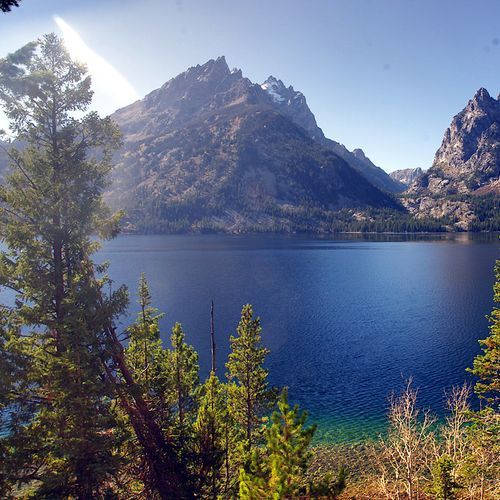
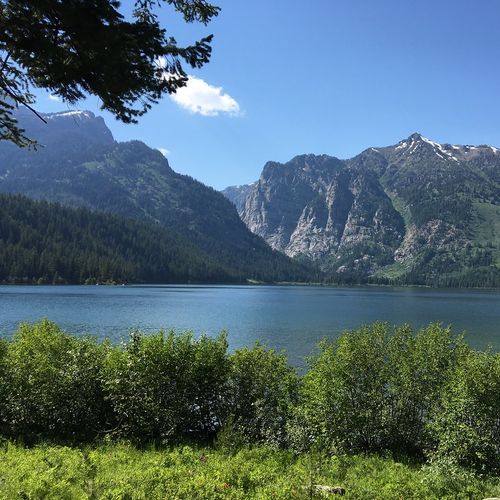
Glaciers then shaped the peaks into horns and sharp ridges and reworked the canyons into U-shaped valleys. Smaller glaciers left moraines and lakes along the base of the range. Every year, thousands of climbers come to reach these summits, and climbing here can be rewarding but also dangerous.