Grand Teton National Park guide · 2 min read
Moose, Elk and Grizzlies of Jackson Hole
Black bears and grizzly bears both live in Grand Teton, and either one can turn up anywhere in the park, from roadsides and trails to the backcountry.
Most bears try to avoid people, but a bear that feels its cubs or its food are threatened may act aggressively. Stay at least 100 yards from any bear, whether you are on a trail or behind a windshield.
On the trail, hike in a group of three or more and make noise, especially in thick brush or wherever you cannot see far ahead. Keep bear spray within easy reach rather than tucked away in your pack, and learn how to use it before you set out.
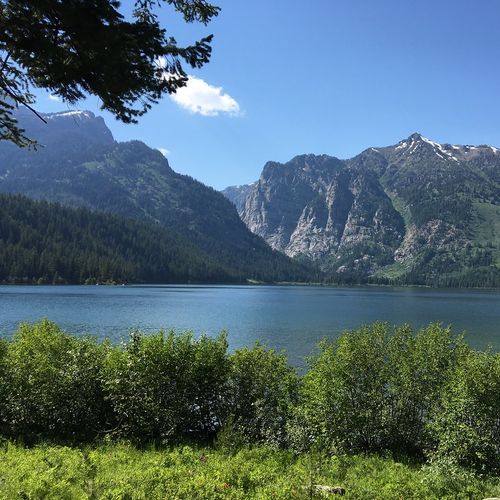
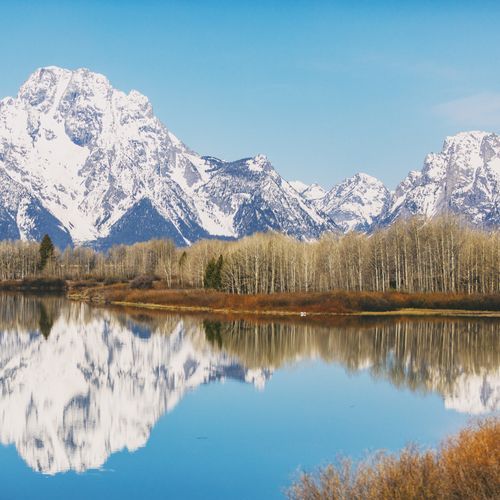
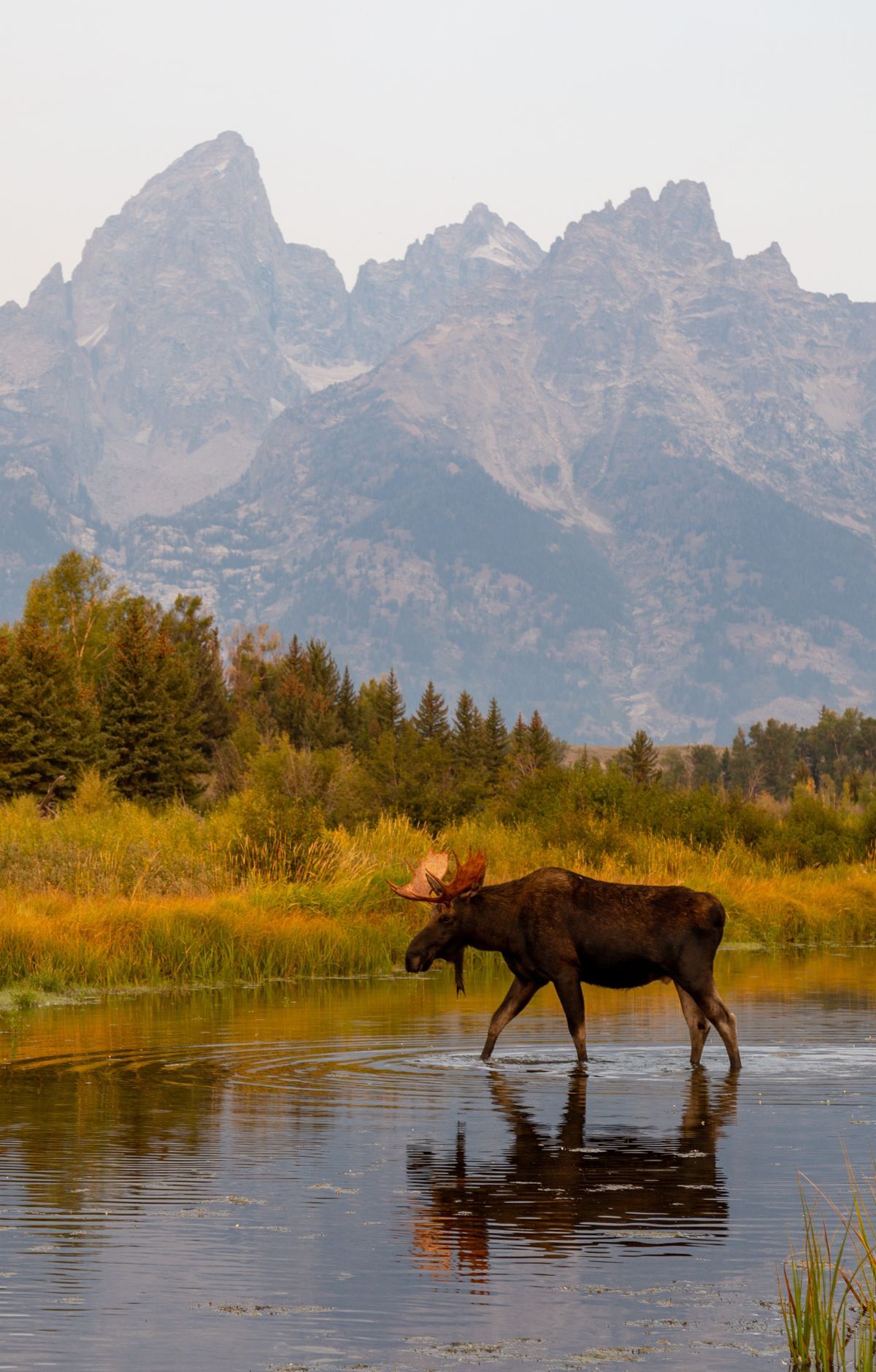
Moose are among the most rewarding animals to find here. Near Jackson Lake, Oxbow Bend and Willow Flats are a favorite haunt of theirs. The Moose-Wilson Road is another reliable place to spot them. This eight-mile road links Jackson with Grand Teton, tracing the park's western side past String Lake, Phelps Lake and Death Canyon. Hikers also come across moose in Cascade Canyon and on the Death Canyon trail.
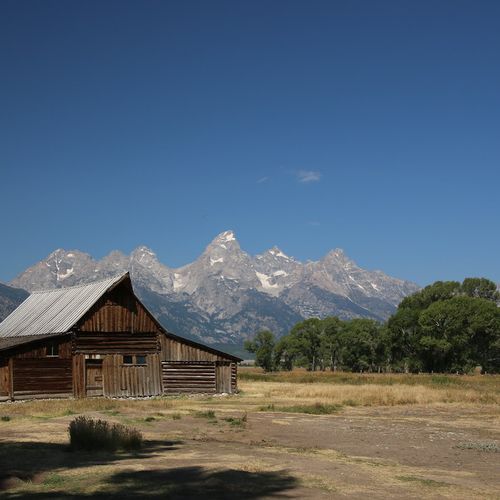
Elk are the most common large mammal in the park, numbering in the thousands. The elk that spend summer here travel to the National Elk Refuge, southeast of the park, and are managed as part of the Jackson elk herd, the biggest on the continent. Bison and pronghorn often graze on Antelope Flats and around Mormon Row, and mornings and evenings tend to be the best times to look.
Keep at least 25 yards from moose, elk, bison, pronghorn and all other wildlife. Every animal here is wild and may act aggressively if approached. A line of cars on the shoulder usually means animals are close by. If you stop, pull completely clear of the travel lanes first, then watch from a respectful distance.