Isle Royale National Park guide · 1 min read
Moose and Wolves on an Island
Isle Royale sits in Lake Superior, 56 miles from the Keweenaw Peninsula, and its isolation shapes the ecosystem.
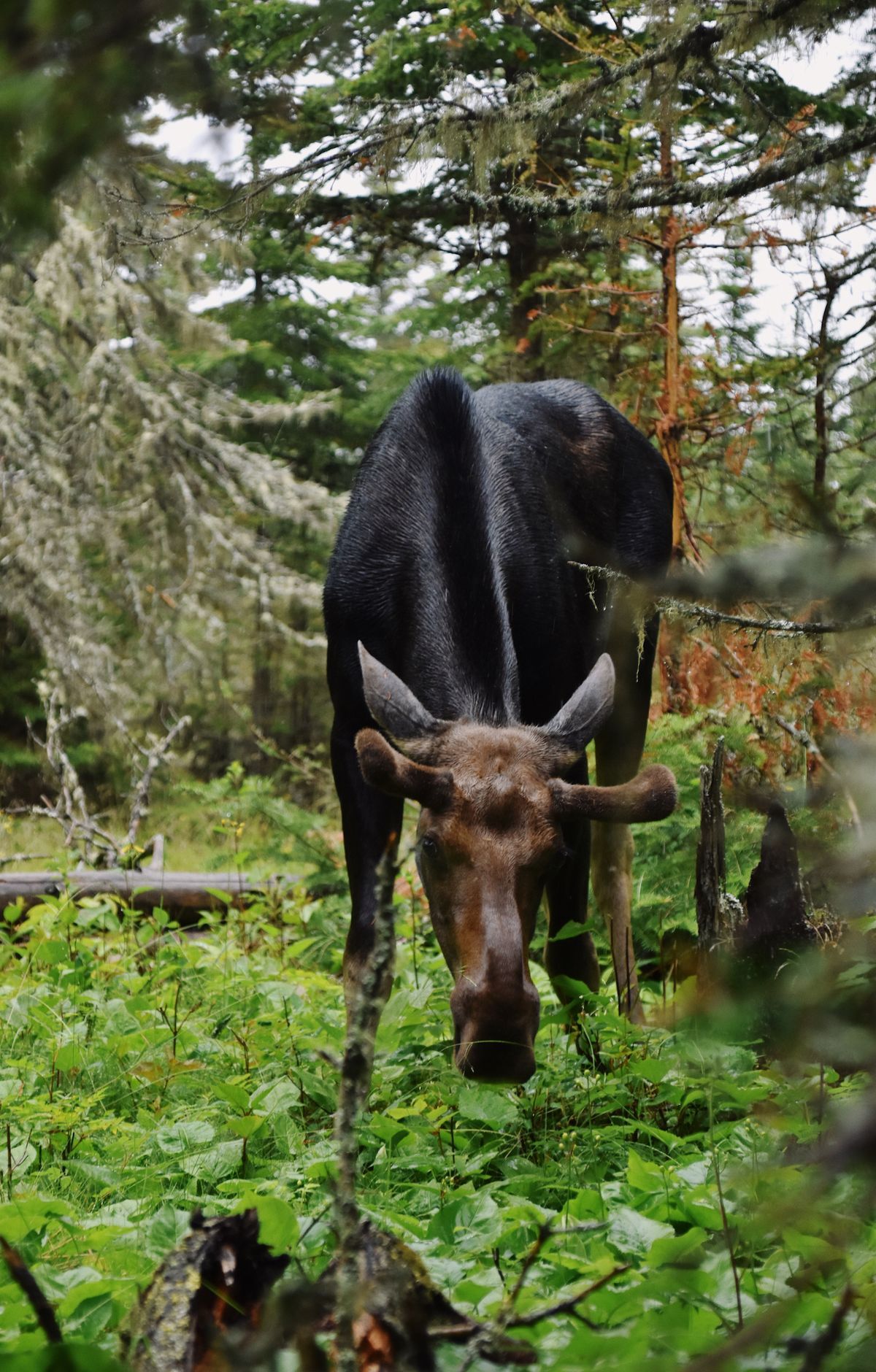
Fewer than half of the mainland's more than forty mammal species live on the island today. A simpler ecosystem draws researchers, and Durward Allen, who founded the Isle Royale Wolf-Moose Study in 1958, valued islands because the animals under study tend to stay put.
Scientists have tracked gray wolves and moose here as a predator and prey pair for decades. When the moose population rises, the wolf population follows. Eventually the wolves overhunt their prey, go hungry and reproduce less. Bears are absent from the island, and nowhere else are these two species known to live side by side without them.
That cycle has been disrupted by other forces. With less pack ice forming in winter, new wolves stopped crossing from the mainland, and inbreeding dropped the wolf population to two. At one point only a single female remained. The National Park Service responded with a wolf relocation effort, bringing wolves to the island, while the moose population grew to an estimated 1,600 animals.
The park does not allow pets, because protecting wildlife is its main concern. A disease carried over from the mainland could seriously damage an ecosystem this isolated. Canine parvovirus, most likely brought in by a pet dog, reached the wolves and cut their numbers from 50 to 14.
Storing food properly matters a great deal here. Wolves are active on the island, and some foxes have grown used to people, roaming the campgrounds at dawn for scraps. Follow food storage rules, read the wildlife safety information before you go, and give moose plenty of room, since they are large animals. If a wolf acts unusually, tell a ranger right away.