Joshua Tree National Park guide · 2 min read
Bighorn Sheep, Coyotes and Desert Survivors
Desert bighorn sheep are one of the park's notable animals. To let them reach water sources without being disturbed, certain areas are off limits to overnight stays.
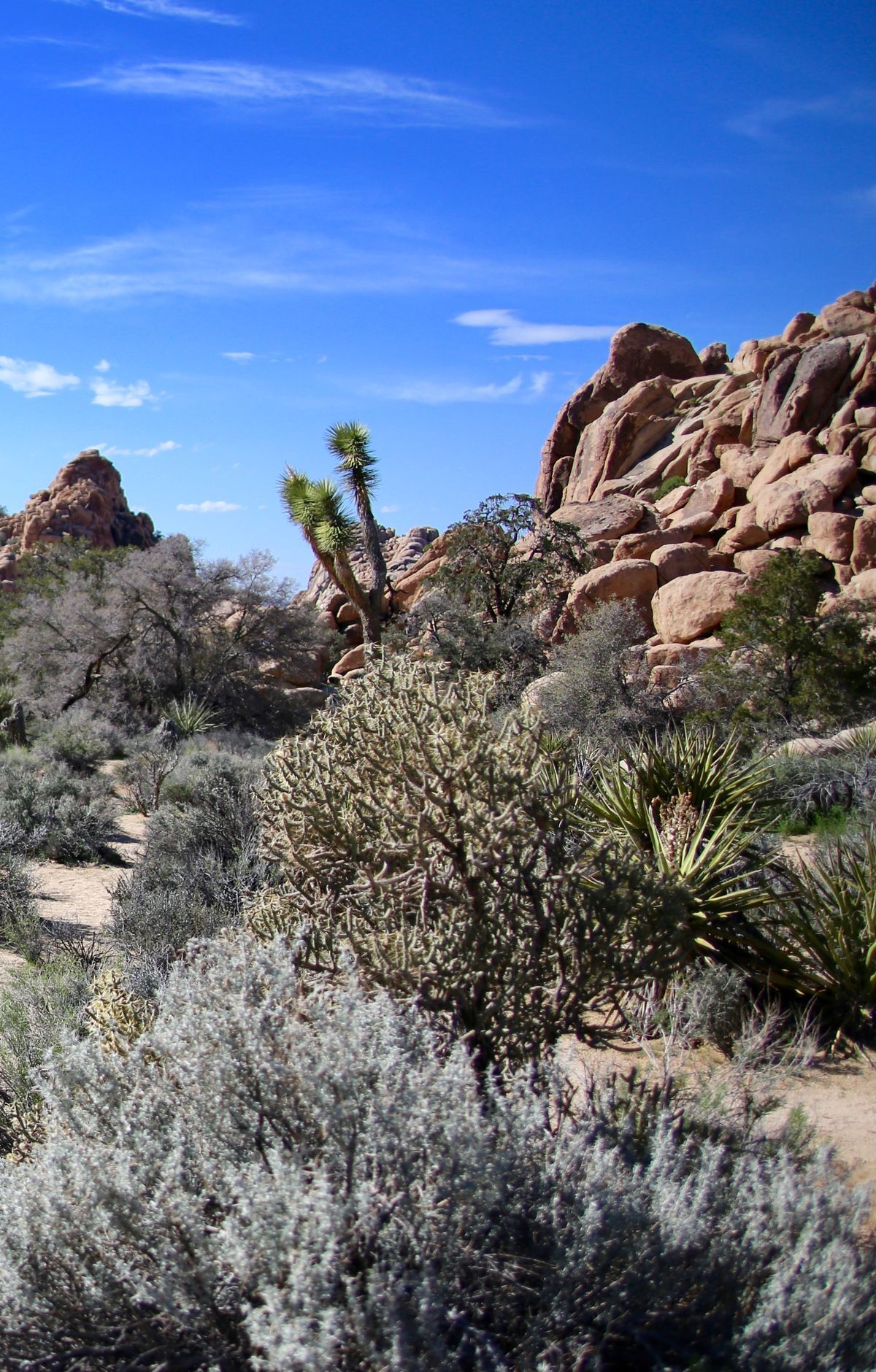
Before you camp, look over the day-use-only boundaries shown on the backcountry registration boards.
The best way to watch wildlife here is from a comfortable distance, and walking toward an animal is never a good idea. Take in the view, then leave the creature undisturbed. If an animal shifts its position or shows it has noticed you, you have moved in too close.
Coyotes are a familiar sight along park roads. Many desert creatures are busiest in the evening and at dawn. After dark, jackrabbits and shy kangaroo rats leave their burrows to search for food. Bobcats are harder to find, but a patient visitor may catch one in silhouette against the moon. Once night falls, owls give up their daytime perches to hunt rodents, and bats can stream out by the thousands.
More than 250 bird species have been recorded in the park. Raptors such as golden eagles and red-tailed hawks are often seen hunting, resting in the sun on rocks, or watching the ground for carrion. Joshua trees, living and dead, provide homes for birds including Scott's orioles, western scrub jays and American kestrels. If you find an active raptor nest, let park staff know, since climbing near nesting birds can harm them.
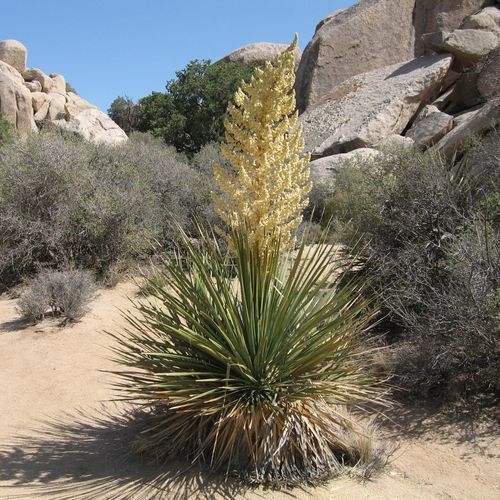
Desert tortoises favor creosote, a desert plant, as a food source, and the chuckwalla, a large daytime lizard, eats it too. Rattlesnakes and tarantulas turn up in the rocky terrain. California tree frogs gather in lush spots near permanent water, including areas along the northern edge of the park. Red-spotted toads stay buried for most of their lives and emerge when seasonal rains arrive to breed. Giant desert scorpions can grow longer than four inches. Yucca moths pollinate Joshua trees, which are yuccas rather than true trees.