Joshua Tree National Park guide · 1 min read
High-Desert Seasons and Spring Wildflowers
Most of Joshua Tree National Park sits at or above 4,000 feet, so it often feels cooler than visitors expect.
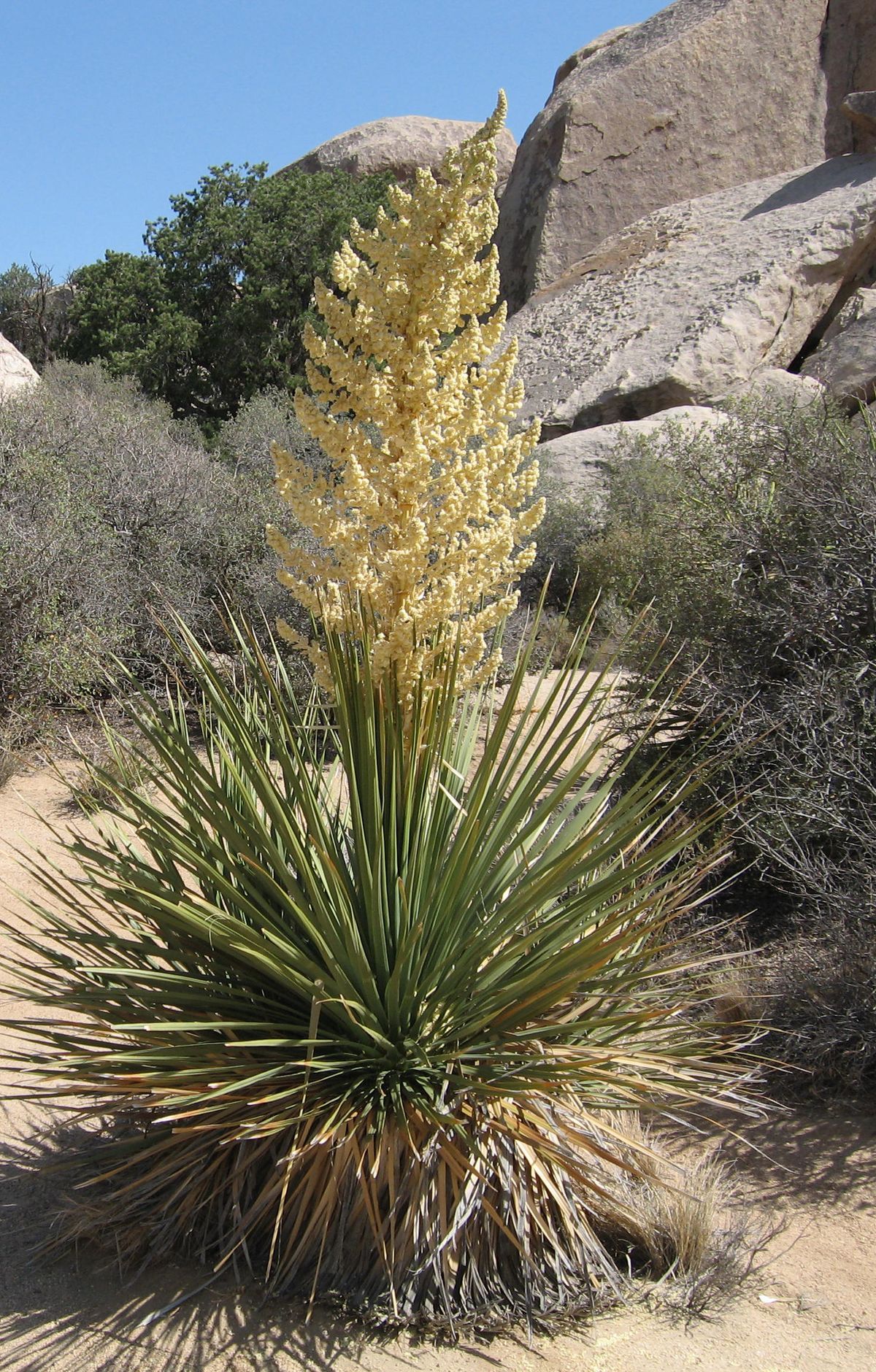
The park joins two desert ecosystems, the Mojave and the Colorado. Winters can be downright cold, with daytime highs in the low 60s and freezing temperatures at night. Snow is possible at the higher elevations. Spring and fall are the most comfortable seasons, with daytime highs from the mid 60s to the high 70s and very little rain.
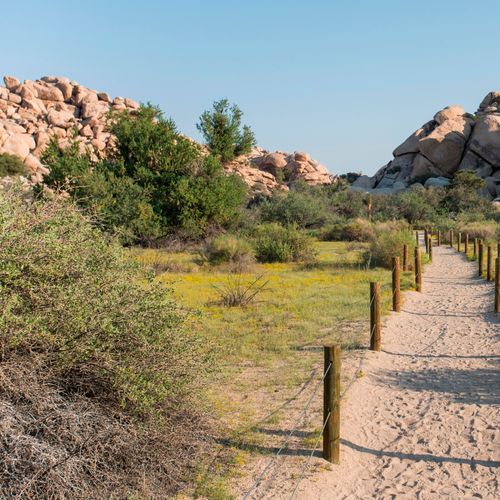
Spring wildflowers peak in March and April. Blooms generally run from late February through May, but timing shifts with elevation. In February, the lower areas of the Pinto Basin and the area near the south entrance, around 2,200 feet, begin to flower. By March and April, higher spots such as Lost Horse Valley, at 4,200 feet, are in bloom, and the higher desert above 5,000 feet may not flower until June.
Each year's display depends on three things. Rainfall, mostly from October through February, comes first. Sunshine after those rains helps plants bloom, while strong winds can be destructive. Mid-elevation areas between about 3,000 and 5,000 feet, including Hidden Valley, Indian Cove, Jumbo Rocks, and Twin Tanks, are good places to look. Desert dandelion, desert globemallow, brittlebush, Indian paintbrush, and pincushions are among the wildflowers to watch for.
Summer brings a different pace. Daytime temperatures often hover around 100 degrees, and nighttime lows stay in the low 80s. Extreme heat affects access to some areas and park operations, so check conditions before you go. Summer monsoon storms can bring flash floods, and they also set off a late-summer and fall bloom. Goldenbush and desert willow are among the plants that flower throughout the park during that season.