Katmai National Park & Preserve guide · 1 min read
Novarupta 1912: The Century's Biggest Eruption
On June 6, 1912, a volcano later named Novarupta burst open on the Alaska Peninsula. Over the next 60 hours, ash climbed as high as 20 miles into the air.
A week of strong earthquakes came before the blast. No other eruption of the 20th century was larger, and it ranks among the five biggest ever recorded.
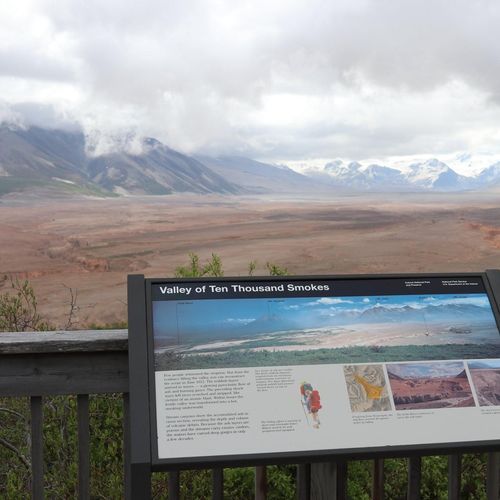
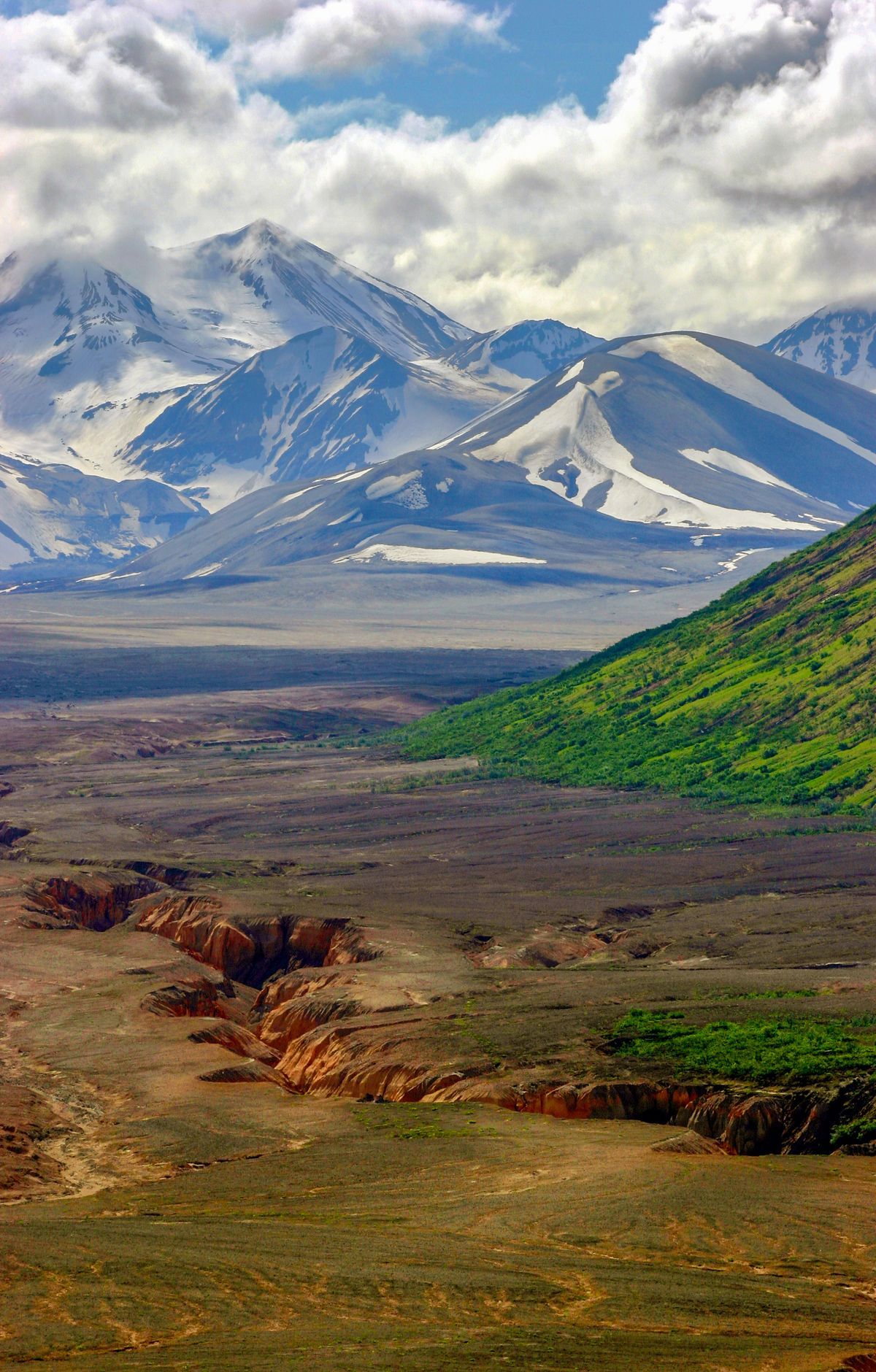
Ash and pumice poured down the Ukak River valley in fast-moving flows and surges, some topping 100 miles per hour. Those flows buried 40 square miles of the valley floor under bare ash. The deposits stayed hot for decades, and any water caught beneath them turned to steam. That steam forced its way up through openings in the ground, creating the fumaroles that later gave the valley its name.
The Novarupta lava dome is a modest mound on the valley floor, standing only 200 feet above the surface. It marks the vent of the eruption and still sends up warm steam. Jets of superheated steam from nearby fumaroles left a range of minerals on the ground around it, making this the most colorful section of the valley. During the same event, the summit of Mount Katmai caved in, and a crater lake formed there.
Botanist Robert F. Griggs made several trips to the site on behalf of the National Geographic Society. Struck by the thousands of steam vents he saw, he named the area the Valley of Ten Thousand Smokes. Congress set the land aside as Katmai National Monument in 1918. Novarupta sits about 14 miles from the Windy Creek trailhead on the Valley Road.