Kenai Fjords National Park guide · 2 min read
Sea Kayaking Aialik Bay and Exposed Fjords
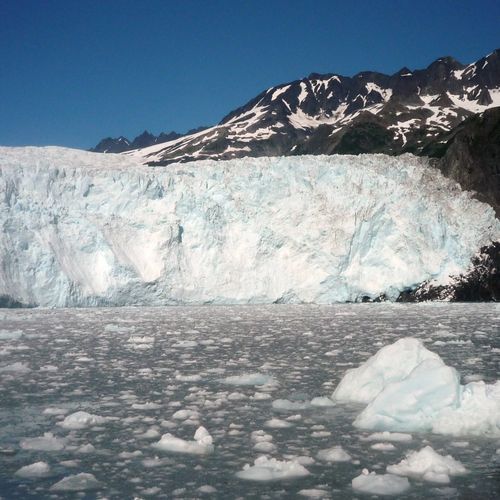
Aialik Bay is one of the most significant fjords in Kenai Fjords National Park, and Aialik Glacier, reached by paddling into the bay, is one of the more remote glaciers in the park.
Paddling straight from Seward is not advised. Between Callisto Head and Aialik Cape, there are extended runs of open coast with nowhere to come ashore, and the water off the cape is dangerous for paddlers.
The fjords are exposed to the Gulf of Alaska, with only a few protected coves. Swells of three feet or taller often arrive during summer storms, and wind and rain can reach extreme levels. When you come ashore, expect waves, since afternoon breezes from the south often build surf at the landings.
Kayak or water taxi is the only way into many coves. Glaciers have worn the shoreline into sharp cliffs, which makes safe places to come ashore hard to locate. Bring a chart or map of the area, and check satellite views such as Google Earth before you leave. On the beach, read the signs: driftwood piles, a steep slope and large cobbles hint at how hard waves will strike in a storm. Confirm you can push off again the next morning in case the weather turns overnight.
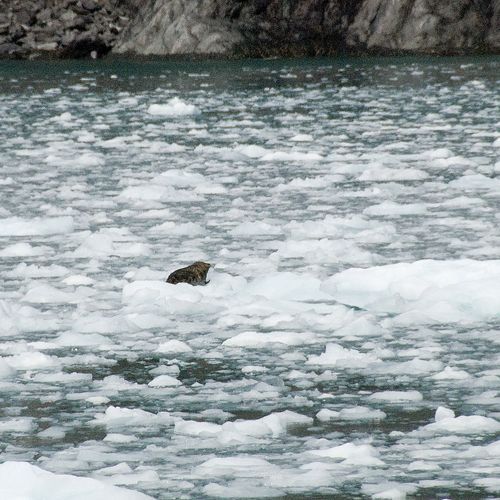
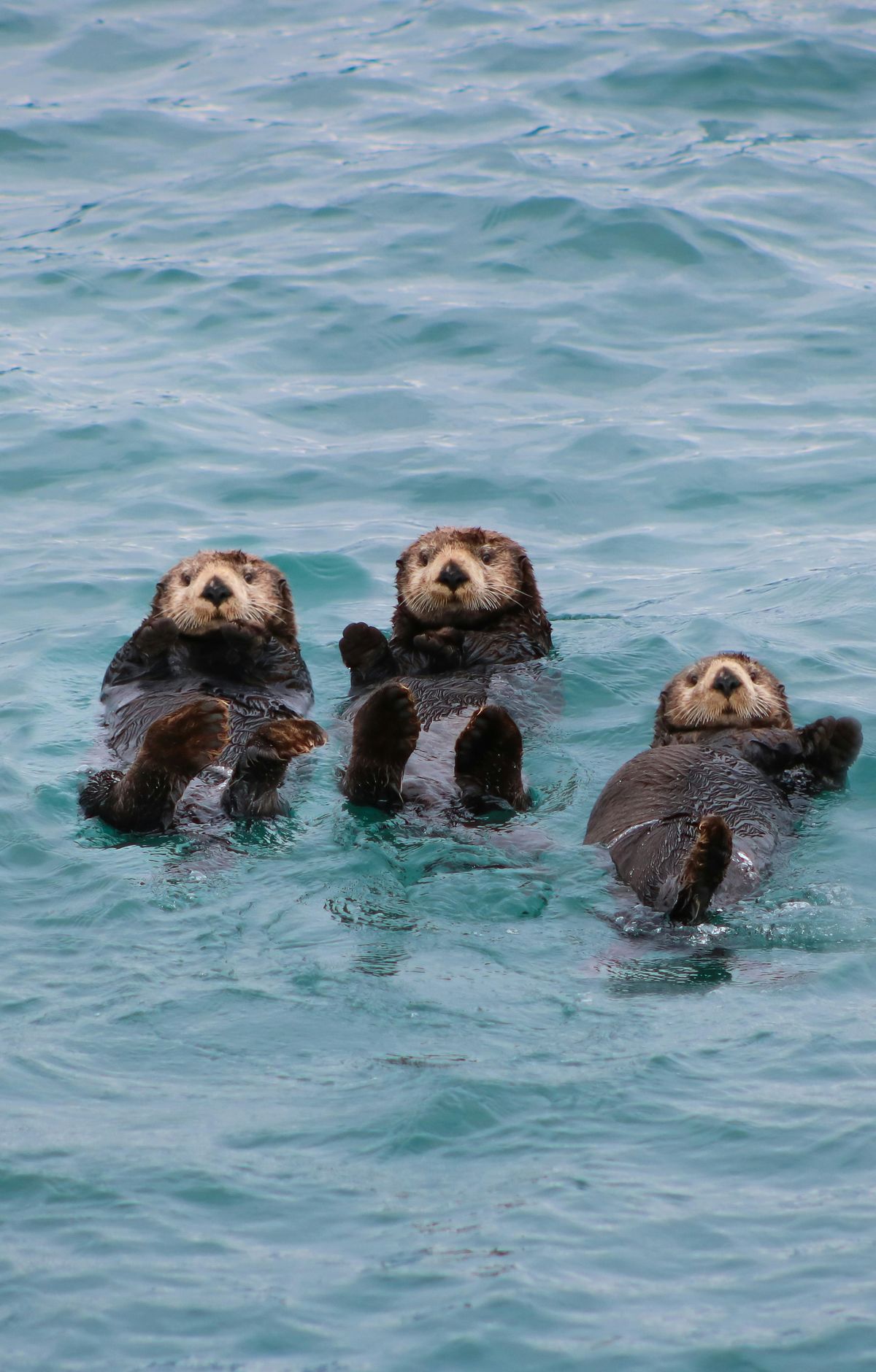
Tidewater glaciers come with their own hazards. Ice breaks off and slides into the sea, so choose a landing at least two miles from any tidewater glacier. Whales, otters, sea lions and seals share these waters with birds, and the whole community is linked through the marine food web.
Inexperienced paddlers should go with a guide, since these waters are not for beginners. A cruise and kayak combo tour is one way to try it. A ten-hour outing heads through Resurrection Bay and past the sea stacks into Aialik Bay, where passengers switch to kayaks and paddle for about three hours near the glacier.