Lake Clark National Park & Preserve guide · 1 min read
Dena'ina Roots and Lake Clark's Layered History
Lake Clark, also called Qizhjeh Vena, sits within the ancestral homelands of the Dena'ina Athabascan people.
Many Dena'ina still call this area home. Local residents continue to rely on its land and water.
The region's history has several layers. Alaska Native peoples were the first to settle here. The 1700s brought Russian explorers and missionaries, and soon after came people from Western Europe, Canada and the United States, among them prospectors, trappers and entrepreneurs. Through all this outside contact, Native communities kept their traditions and languages. Today's population reflects many backgrounds, along with a shared history of working together.
Subsistence is still part of life in the park and preserve, where local residents may hunt for food on park lands. The preserve also allows sport hunting alongside subsistence hunting. Archeologists dig into the region's past to protect its history, and visitors can learn how that work is done. Inside the museum collections, visitors can look over objects and learn the stories behind them.
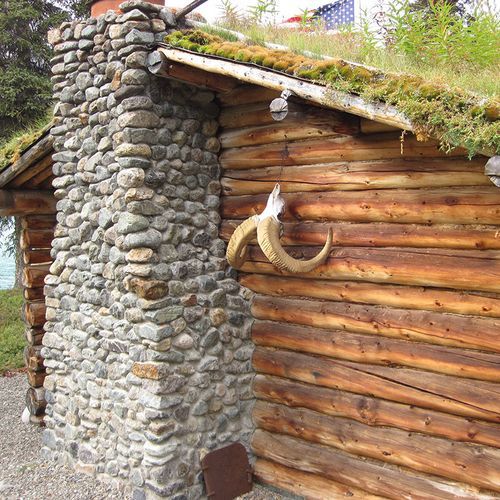
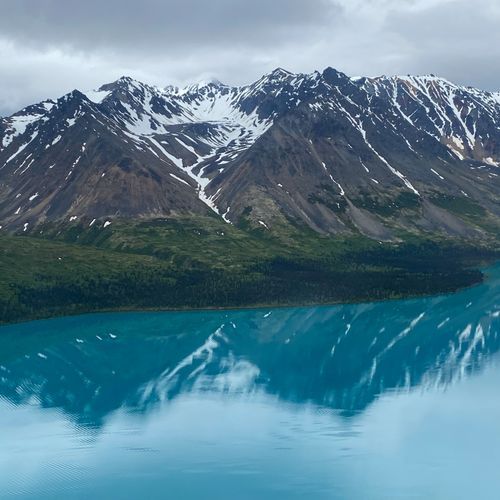
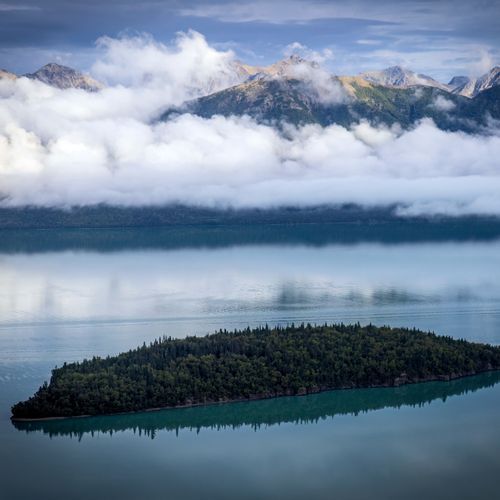
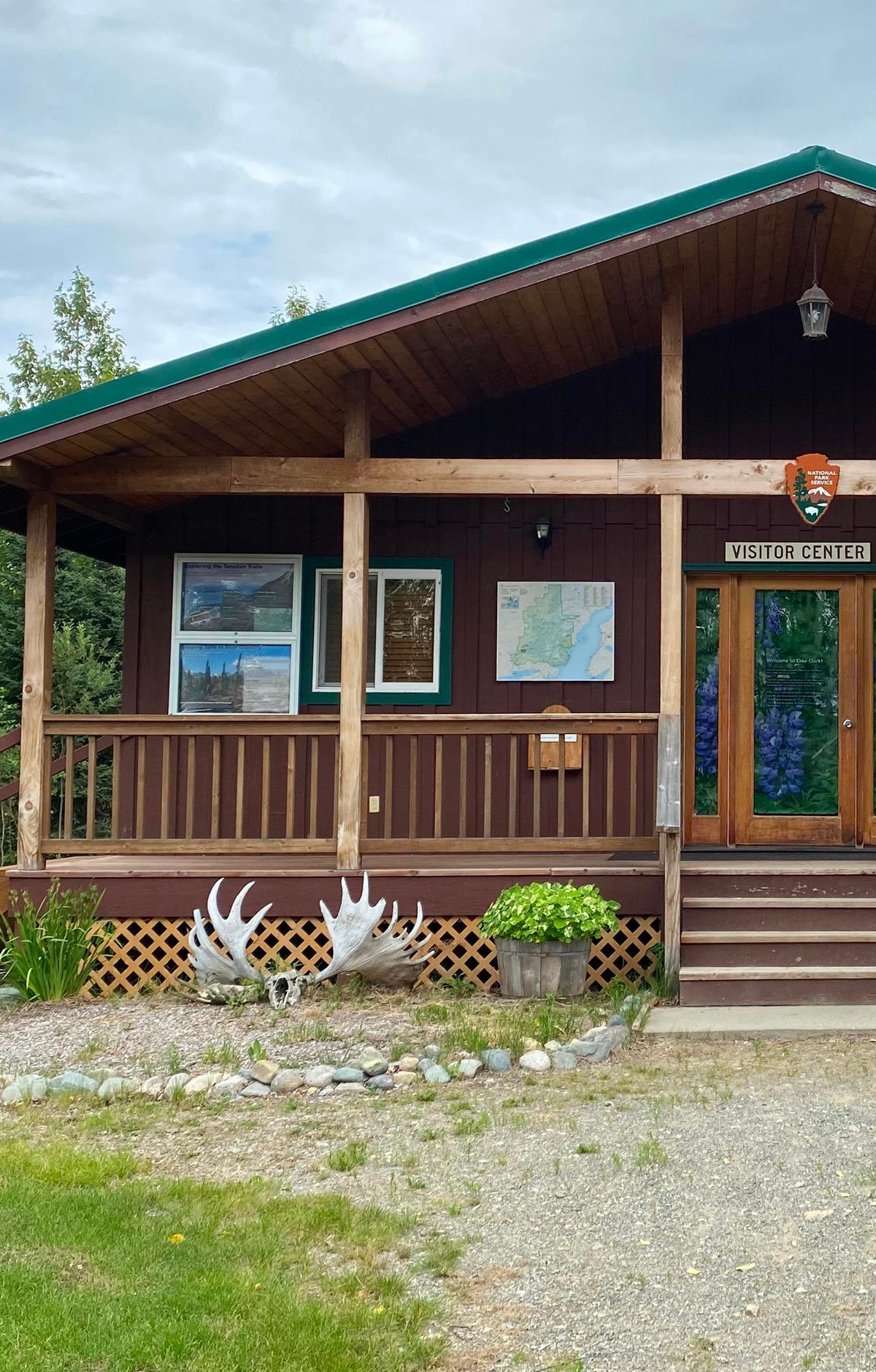
Lake Clark sits near the center of the park, stretches fifty miles, and is the park's largest lake. Anglers and paddlers can fish and kayak on its waters. Visitors can also tour the Proenneke Cabin. On the lake's southern shore sits Port Alsworth, a private community where travelers can find places to stay, guides, air taxis and gear for rent, along with the park visitor center. Since no road reaches the park, plan on flying in, then getting around by boat, floatplane or bush plane.