Manassas National Battlefield Park guide · 1 min read
From Manassas to Antietam: Why It Mattered
Fighting near Bull Run on July 21, 1861, was the war's opening major clash between Federal and Confederate troops.
The Confederate victory cost both sides heavily, yet it pushed the Federal government toward greater preparedness and resolve.
About a year later, in late August 1862, a second Confederate win at Second Manassas opened the way for the first Confederate push into the North. That campaign reached its climax at Antietam, and afterward Lee's army pulled back. Both fights put the national capital in Washington at risk.
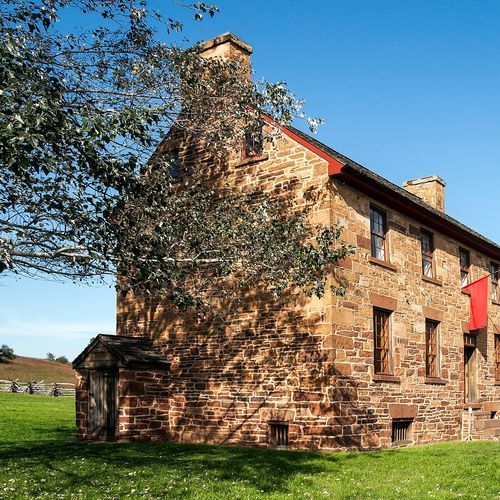
The Stone House, still standing as a conspicuous landmark of both battles, is one of three wartime structures that survive in the park. It became a makeshift hospital in both fights. Henry Hill and the unfinished railroad still keep much of their wartime character, and Deep Cut is where Union forces attacked Stonewall Jackson's position.
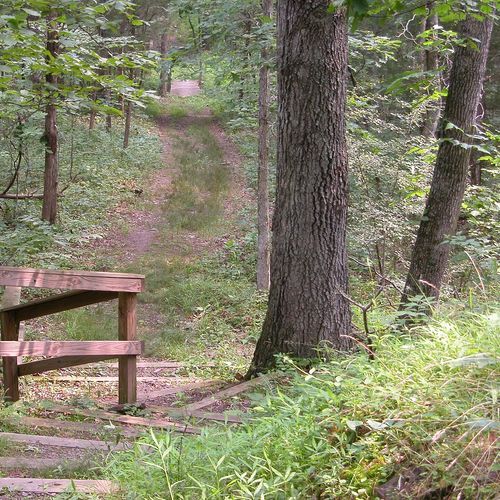
Several monuments honor those who fought here, and among them are two that stand today plus the remains of a third put up while the war was still going on. You can tour the battlefield by car on a self-paced route or on foot along the hiking trails, and the park's maps page shows how the sites connect.
Much of the park has no cell signal, so download the park in Parka before you go. Once it is on your phone, your map, your location on it, the trails and the drive tour keep working all the way out, even with no signal. Carry plenty of water, tell someone your plans, and keep a paper map as a backup.