Mesa Verde National Park guide · 2 min read
Not a Mesa: The Cuesta and Its Alcoves
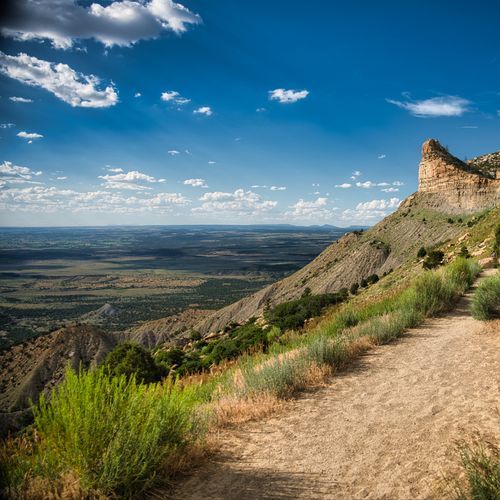
Despite its name, Mesa Verde is not a true mesa. The first Spanish explorers called it one, yet a genuine mesa has a top that is nearly level, and this land tips toward the south.
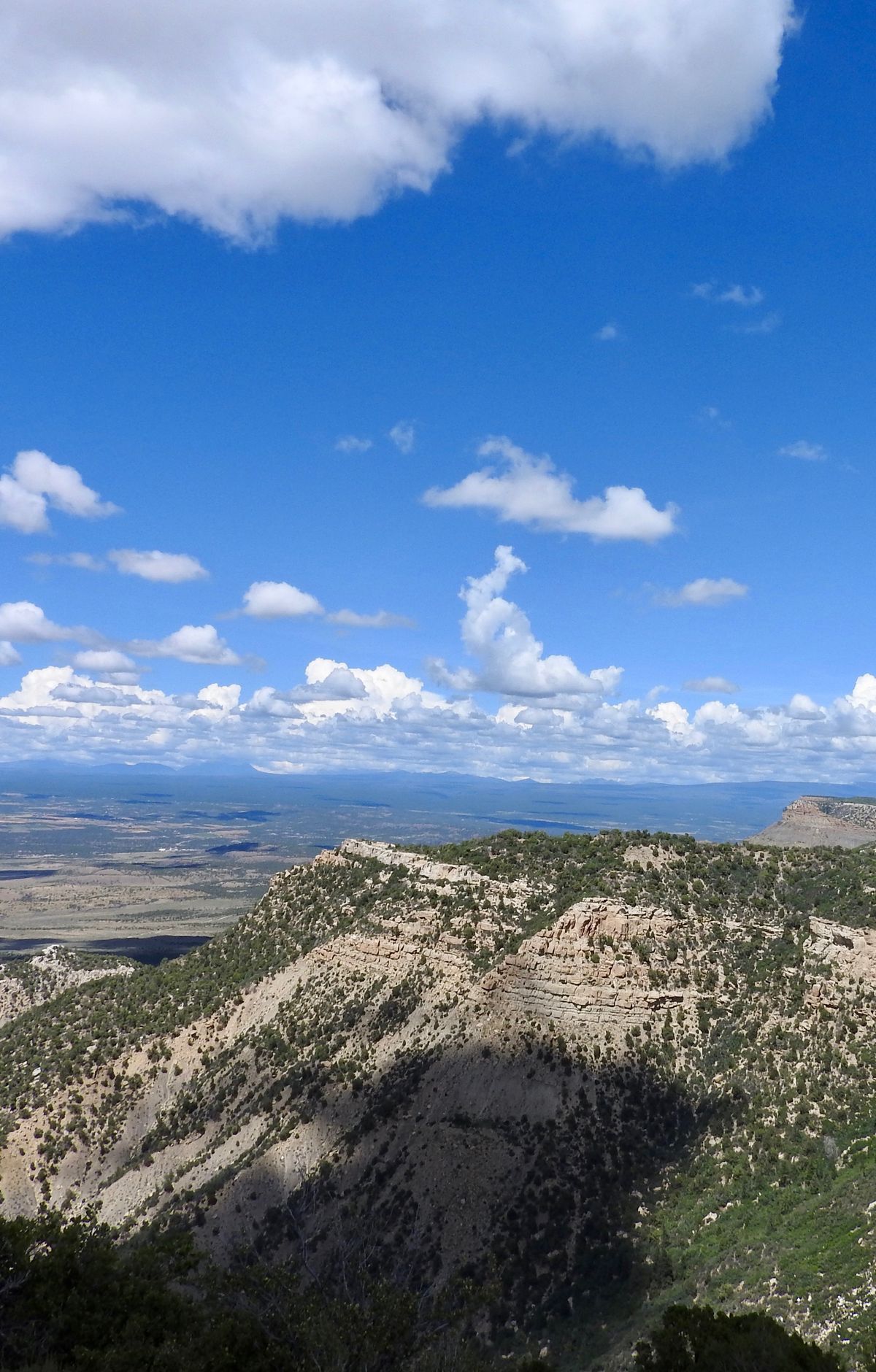
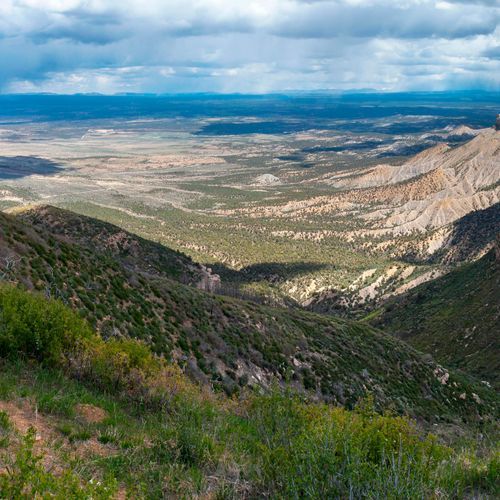
Geologists call it a cuesta, a hill that rises gently on one side and falls away sharply on the other. The park actually holds several smaller cuestas, each set apart from the next by steep canyons that small streams carved over time.
The rock underfoot tells a long story. The Dakota Sandstone lies beneath much of Colorado, and in the late Cretaceous Period a thick layer of Mancos Shale built up over it. That shale formed from fine-grained sandstones, mudstones and shales that settled in the deep water of the Cretaceous Sea. Because it holds so much clay, the shale swells when it gets wet, and the ground above it can slide.
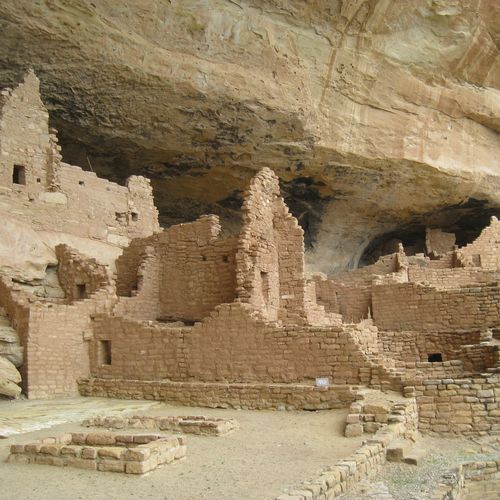
The southward tilt of the land helped shape the alcoves in the canyon walls, and those sheltered recesses are a big reason the cliff dwellings survive today. The region's dry climate did the rest, keeping baskets, clothing, paintings and roofing from rotting away. Elsewhere, such fragile things rarely last.
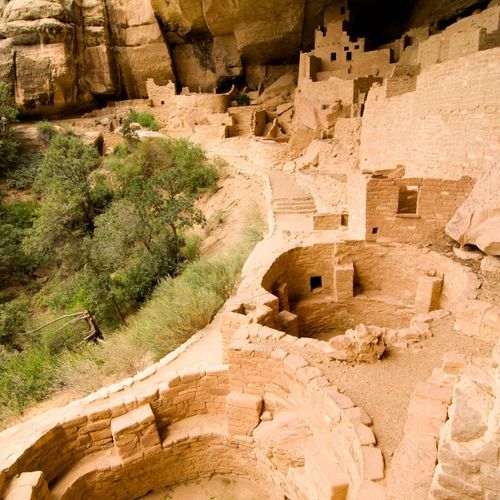
Cliff Palace, the most famous dwelling in the park, fills the largest alcove at the heart of the Great Mesa. It faces south and southwest, which let it catch more winter sun. Built of sandstone, wooden beams and mortar more than 700 years ago, it once had many brightly painted rooms. With 150 rooms and 23 kivas, no other cliff dwelling in the park is larger.
On the park's west side, Wetherill Mesa runs as a long, slender strip of high ground with deep canyons on either side. Early pithouses remain at the Badger House Community on the mesa top, and overlooks let you gaze across at sites tucked into alcoves. Together, these stops span nearly seven centuries of Ancestral Pueblo life.