Mojave National Preserve guide · 2 min read
Walking the Kelso Dunes
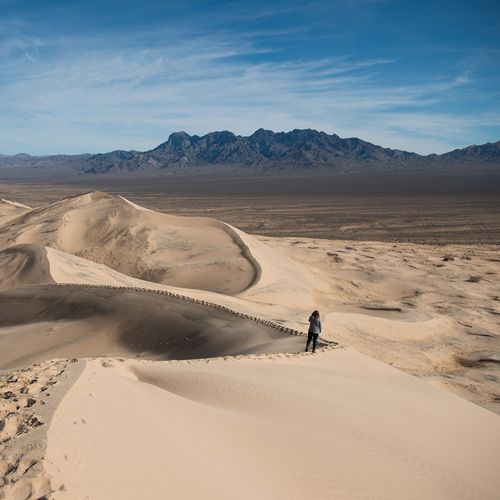
Few dune fields in the United States match the Kelso Dunes for height or reach. The sand climbs nearly 700 feet and covers about 45 square miles.
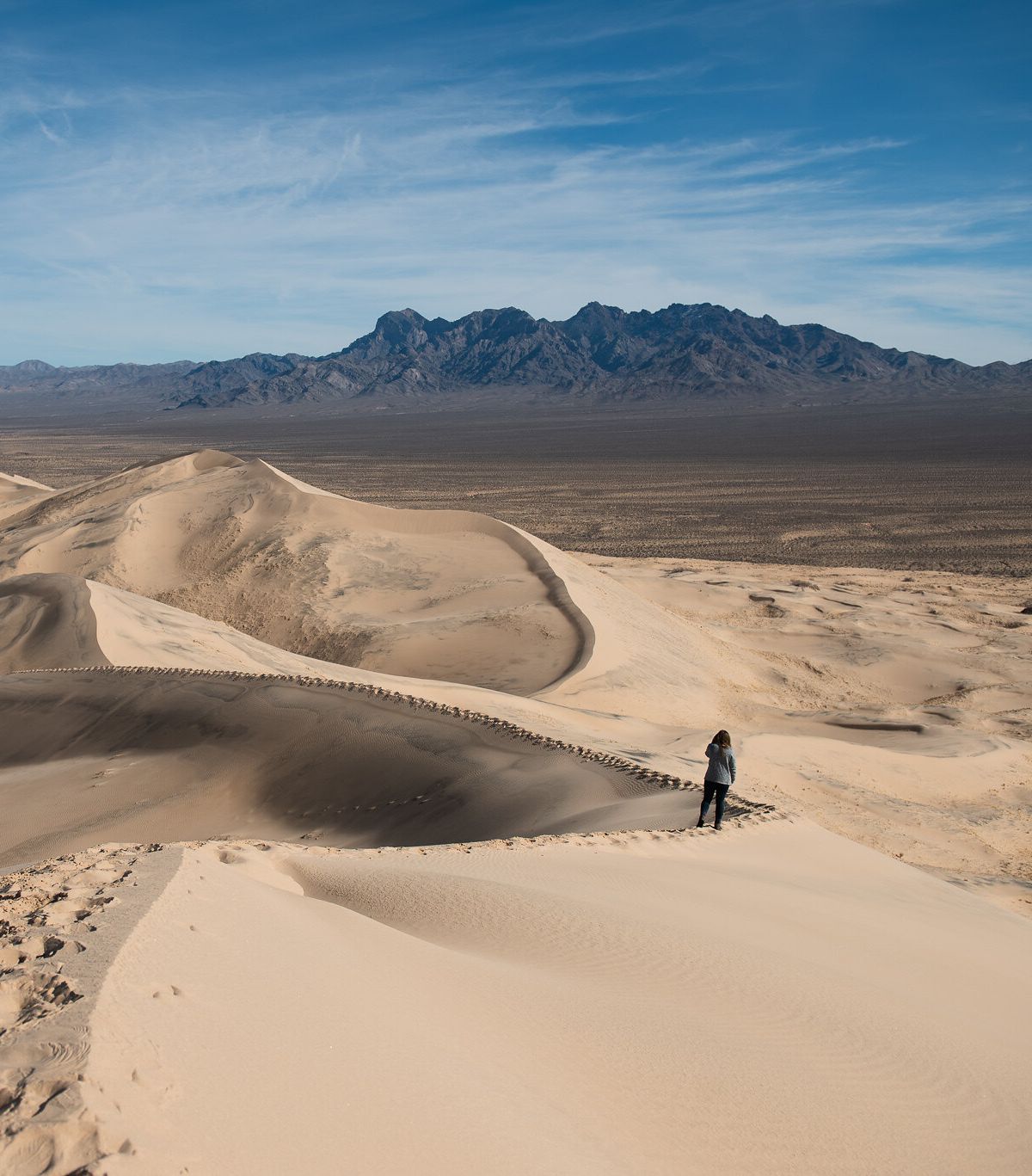
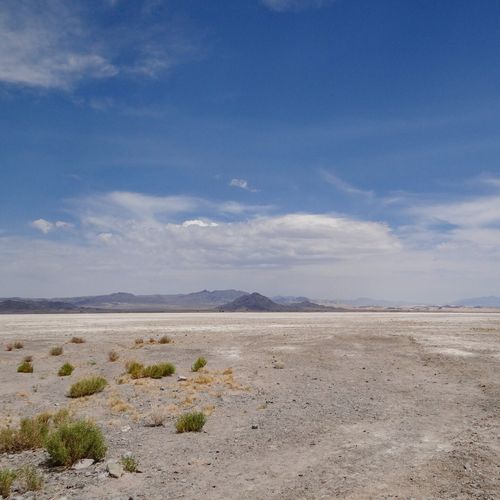
Over roughly 25,000 years, wind swept grains off the dry beds of Soda Lake and the Mojave River Sink and piled them here. No other hike in the preserve draws more people than these cream-colored ridges.
The walk to the top is about three miles round trip, and most people spend somewhere between half an hour and three hours out there. Climbing in loose sand is slow, tiring work, especially in the heat. The trailhead has interpretive exhibits and pit toilets but no water, so bring plenty of your own along with sunscreen. Even on the busiest trail in the preserve, you can often find yourself alone with the wind and a sea of sand at the summit.
The dunes are known for singing sand. When the sand has the right amount of moisture and slides down a steep face, it gives off a low booming or singing sound you can feel as well as hear. Running or sliding down a slope can set it off. Stay on bare sand and avoid trampling the plants that hold parts of the dunes in place.
To get there, take paved Kelbaker Road, which runs 56 miles between Interstate 15 at Baker and Interstate 40. About seven miles south of Kelso Depot, turn west onto the signed, graded dirt Kelso Dunes Road and drive three miles to the parking area.
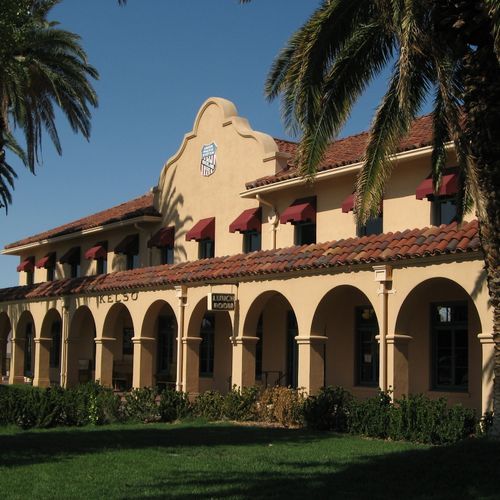
Kelbaker Road has more to see along the way. Kelso Depot, a 1924 train station on the Union Pacific line, is the preserve's main museum, though its indoor areas are closed for rehabilitation; its restrooms, water and shaded picnic area are open. The Granite Mountains Boulder Viewpoint sits along the same route.