North Cascades National Park guide · 1 min read
Eight Life Zones, Over 1,600 Plant Species
Differences in elevation, soil, rainfall and exposure to the weather combine to create eight distinct life zones here.
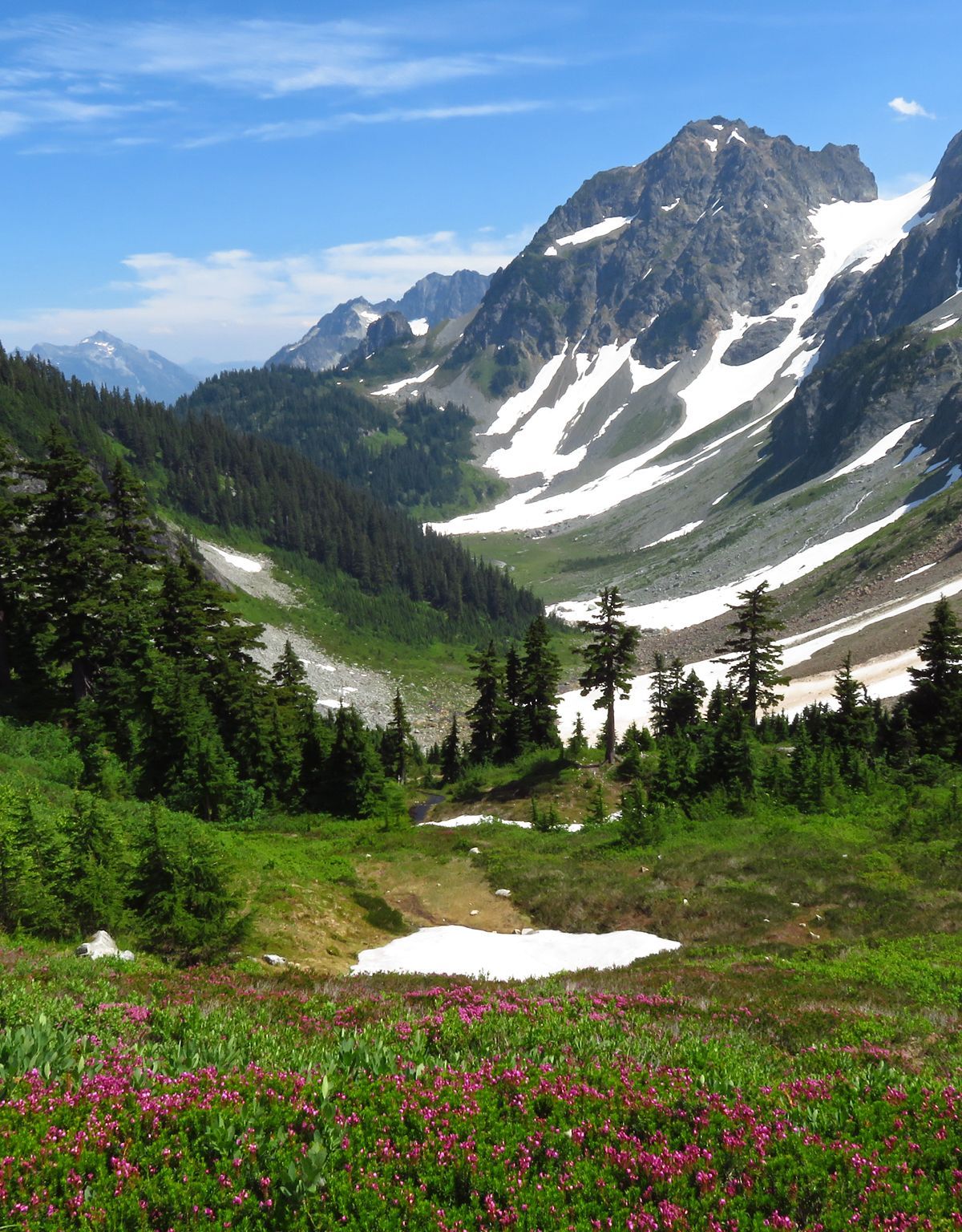
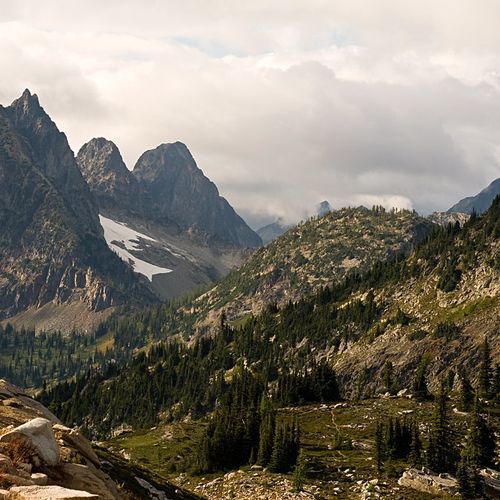
The zones climb from wetlands and forested lowlands to glaciers and high alpine summits. With nearly 9,000 feet between the lowest and highest ground, the park supports thousands of kinds of plants and animals, and few national parks in the United States can match the breadth of its biodiversity.
Botanists have documented 1,630 vascular plant species in the park. Only a handful of North American national parks can claim a count that high. Experts think the total could more than double once fungi and plants without vascular tissue are included. Where each plant grows depends on the mountain itself, with moisture, slope and soil all playing a part, and past fires also shape which plants grow where.
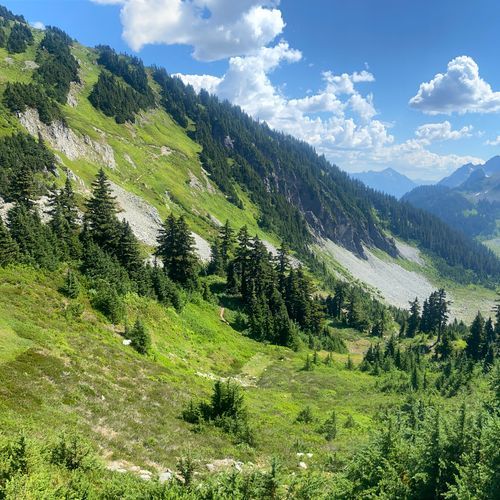
Logging was limited in the past, so the valleys and lower slopes still hold an estimated 236,000 acres of old-growth forest. These stands climb as high as the timberline, at about 7,000 feet. From the valley floors up to roughly 2,000 feet, you will often find Douglas fir, western hemlock and red cedar. Higher up grows common bearberry, a plant more at home far to the north, with small red berries set among thick, paddle-shaped green leaves.
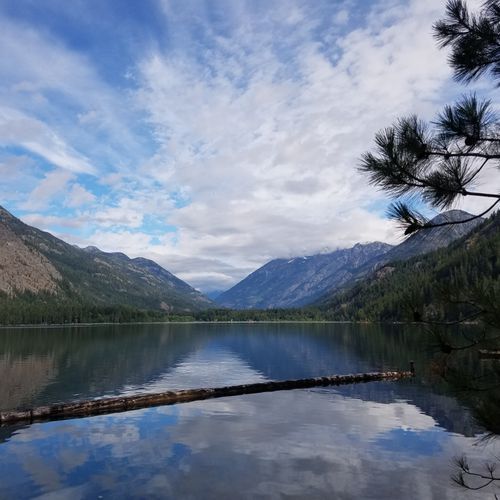
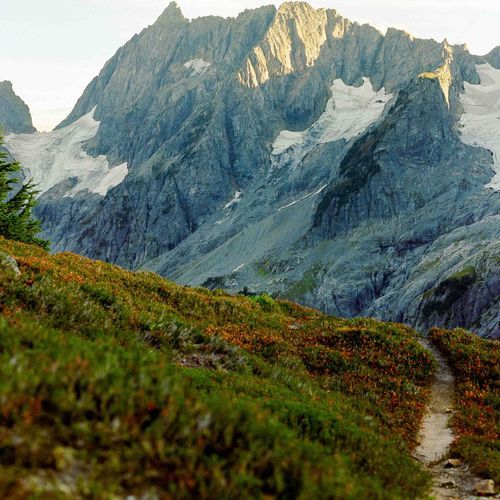
Above the forests, the land opens to alpine peaks and glaciers. The mountains also hold more than 500 lakes and ponds, home to plankton, aquatic insects, frogs and salamanders. The Thornton Lakes offer a clear example. Both sit in hollows carved out by glaciers near Mount Triumph, and one lies noticeably higher than the other.