Pinnacles National Park guide · 1 min read
Bats, Falcons, and Eagles of the Rock Spires
Pinnacles is home to 14 bat species, and the talus caves are one of the places where they shelter.
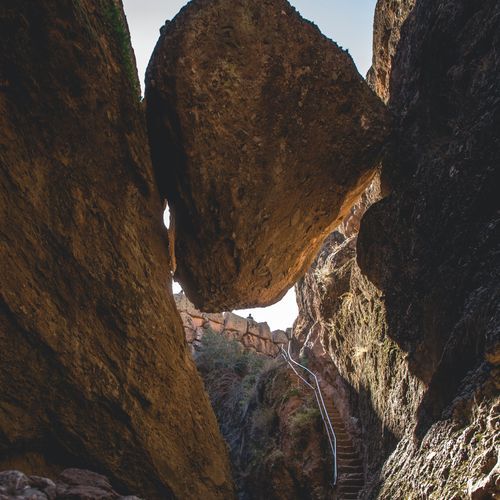
The caves formed when boulders wedged across a narrow canyon and created a ceiling over the passage beneath. Townsend's big-eared bats depend on these caves, and the remaining 13 species find their roosts among trees and cracks in the rock.
Bear Gulch and the Balconies both have talus caves you can explore on foot. Expect a twisting route through tight spots, where the rock overhead hangs low and the ground underfoot is rough. Some stretches mean climbing up and over boulders, and in places your feet may get wet. Carry a flashlight, since daylight barely reaches inside.
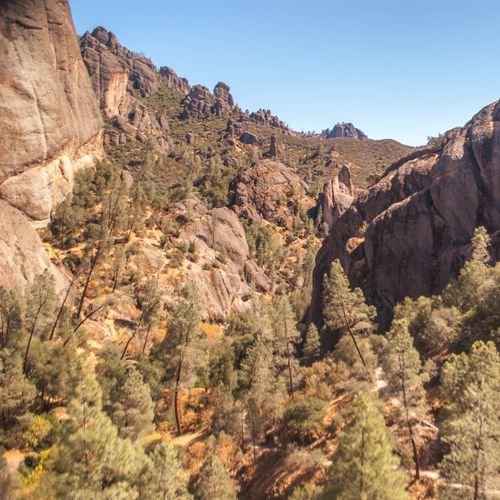
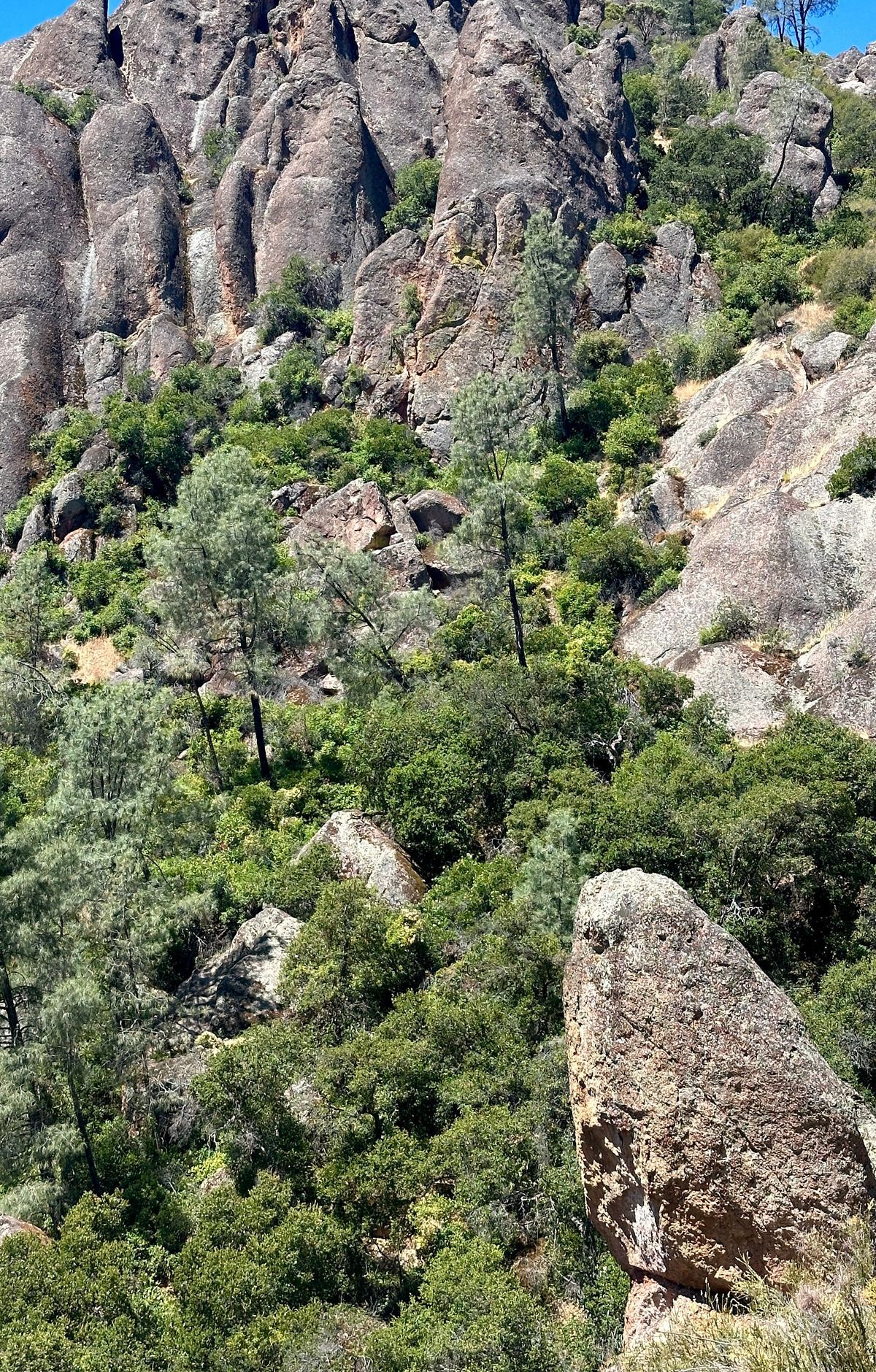
The towering rock spires are also home to birds of prey. Prairie and peregrine falcons and golden eagles range over the same rugged country, and prairie falcons are among the species that live in the park year-round.
To protect nesting raptors, the park has run a Raptor Advisory System since 1988, asking climbers and hikers to avoid sensitive areas. Some climbing routes can close while birds are nesting, so check the current advisory before you plan a climb. Following these requests helps the park keep its raptors safe.
Birding here rewards a little preparation. Binoculars rated 7 to 10 power work well, and spotting scopes help you pick out birds of prey and California condors over the High Peaks. Plan your outings near dawn or toward evening, when birds move around more and softer light makes them easier to see. The park sits along the Pacific Flyway, and 181 bird species have been documented here. Look at the ground too, since 30 species of reptiles and amphibians live in the park.