Point Reyes National Seashore guide · 2 min read
Coast Miwok Heritage and Kule Loklo
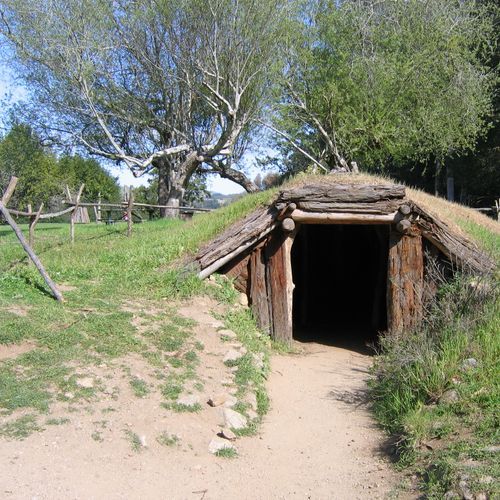
Kule Loklo takes its name from the Coast Miwok words for Bear Valley. The National Park Service built this recreated Coast Miwok village in the 1970s near park headquarters, on land that was once the Bear Valley Ranch.
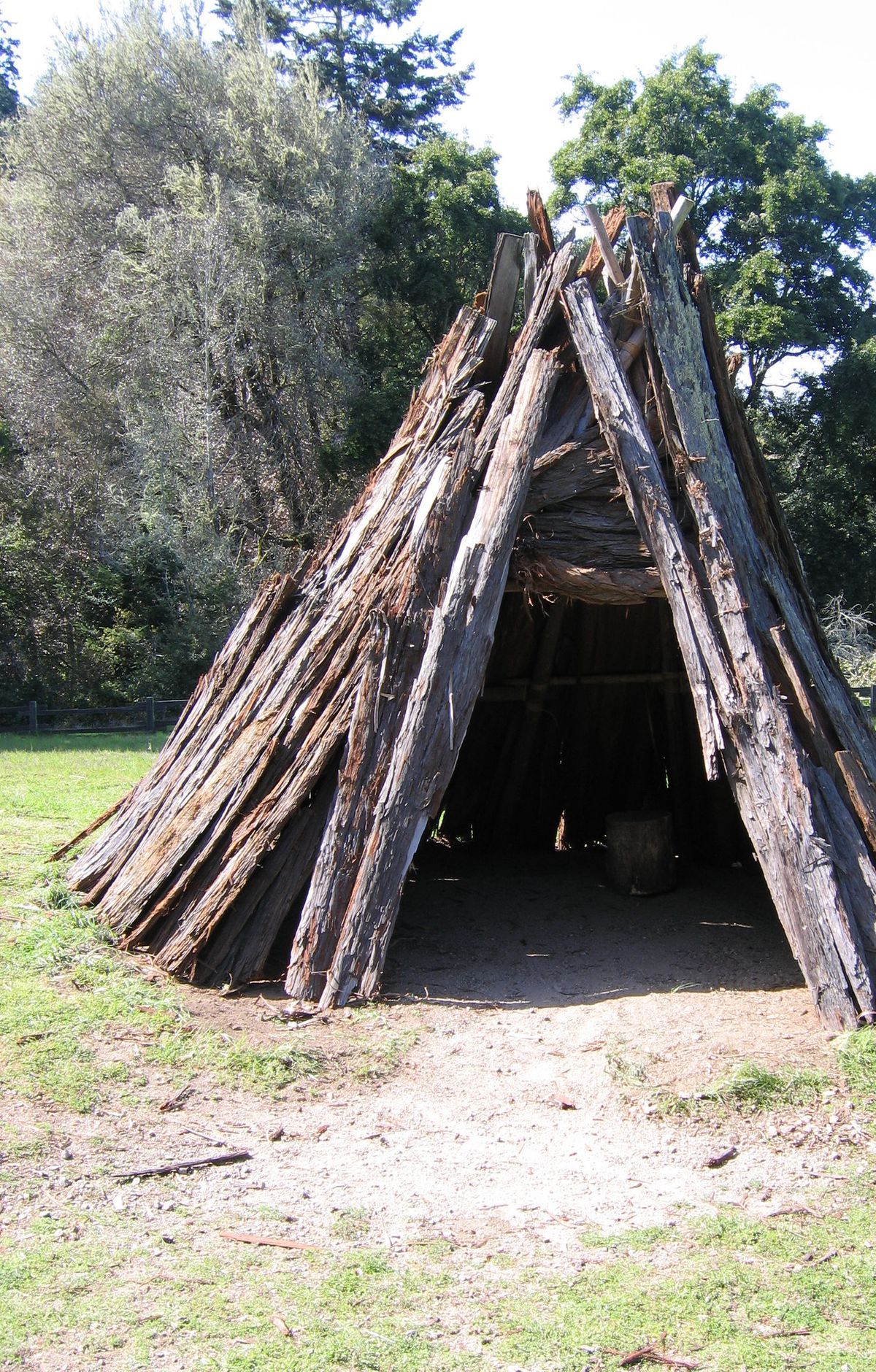
It sits where no village actually stood, but where one easily could have.
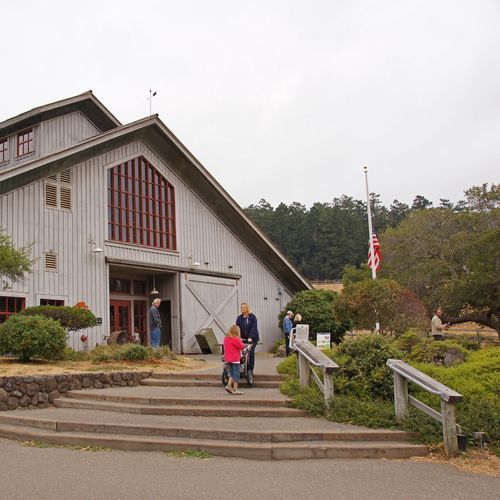
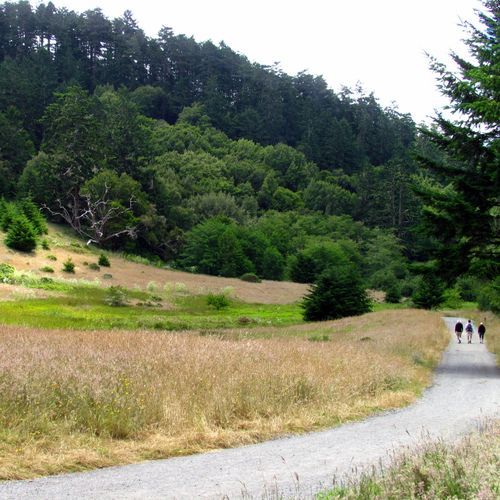
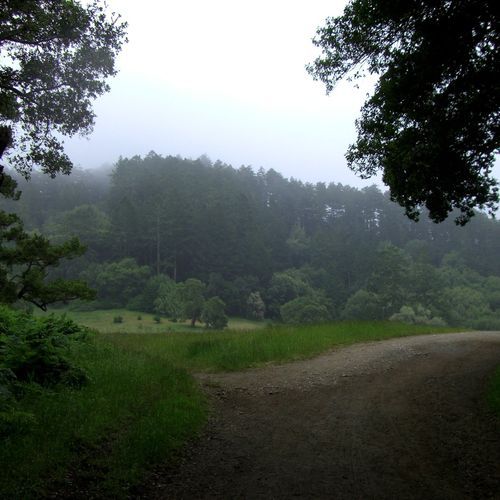
The village is a short walk from the Bear Valley Visitor Center: a 0.4-mile dirt trail from the north end of the parking lot, steep at first. The path leads up to a grassy clearing beside the woods, where three cone-shaped houses of redwood bark, each about ten feet tall, stand together. You will also find a sweat lodge. Interpretive signs explain Coast Miwok culture, history and the purpose of each structure. For decades the Miwok Archeological Preserve of Marin helped build and care for the village and taught California Indian skills here.
Before Europeans arrived, the Coast Miwok lived throughout what is now Marin and southern Sonoma Counties. On the Point Reyes Peninsula alone they left traces of more than a hundred encampment sites, and their population here may have been close to three thousand. Villages of seventy-five to several hundred people grew up in sheltered spots near fresh water. They gathered acorns for storage, harvested kelp and Indian lettuce, fished and dug for clams and mussels, and hunted deer and elk with spears and bows.
Picture a working village full of activity. Women ground acorns to meal using stone mortars and pestles, basket weavers sat together in the shade, and mussels baked over cooking fires. Young people practiced the music and movements of their dances, while hunters chipped obsidian into sharp blades.
Coast Miwok descendants formed the Federated Indians of Graton Rancheria in 1992, and the tribe is now federally recognized. Its members keep strong cultural ties to the peninsula, part of more than five thousand years of human history preserved within the seashore.