Point Reyes National Seashore guide · 1 min read
Where Two Marine Provinces Meet: Birds and Blooms
Point Reyes sits where two marine ecological provinces overlap, the southern Oregonian and the northern Californian.
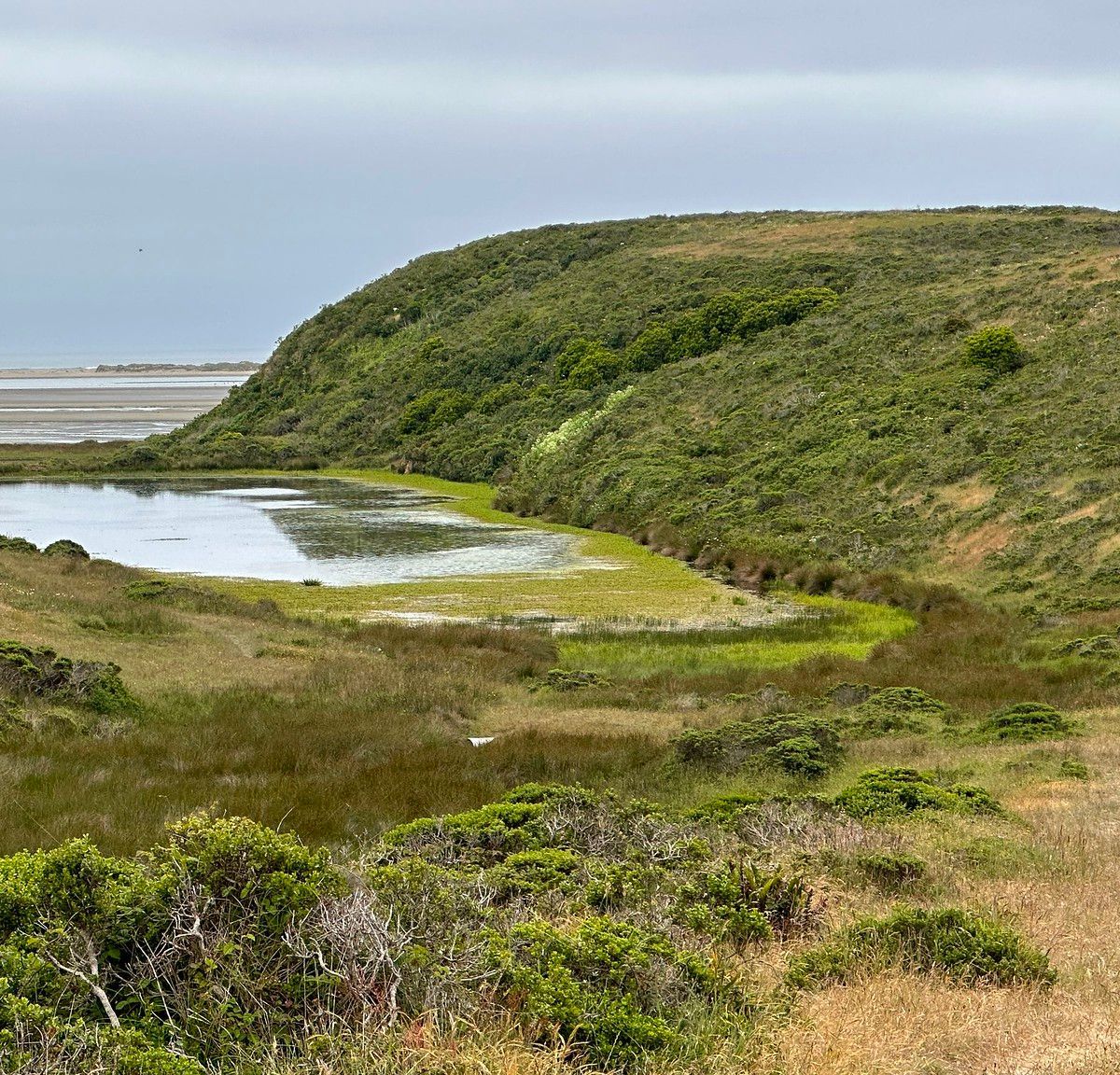
Its estuaries, bays and lagoons hold seagrass beds, tidal mudflats and marshes that support a wide range of wildlife. More than 850 kinds of plants have been identified here, roughly 18 percent of all the plant species in California, including at least 42 that are rare or endangered.
Birds are where that richness becomes most obvious. Nearly 490 species have been recorded in the park and on nearby waters, more than half of all bird species in North America and the greatest bird diversity of any national park. Estuaries, grasslands, coastal scrub and forest draw large numbers of migrating and wintering birds. Each year during the Christmas Bird Count, the local species total lands near the top nationwide.
Geography adds surprises. The peninsula reaches about 10 miles out to sea from the mainland, so many birds that have strayed off course end up landing here. These unexpected visitors are known as vagrants.
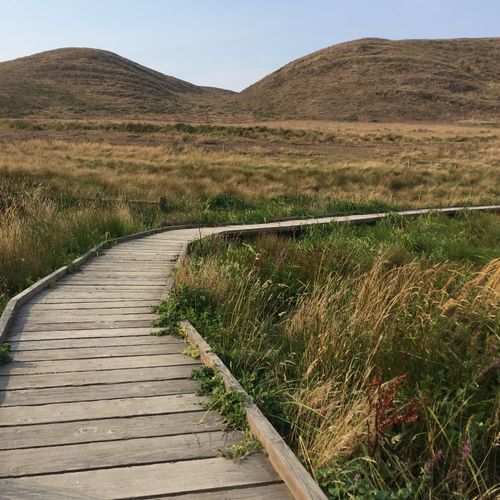
Abbotts Lagoon Trail is a good place to start. The lagoon is really three linked lagoons, with the small upper one holding the freshest water and the large lower one the saltiest. An easy walk through pasture and coastal scrub reaches a footbridge after 0.9 miles, a 1.8 mile round trip. Continuing another half mile through the dunes to Point Reyes Beach makes it 2.8 miles round trip, and past the bridge the path enters the Phillip Burton Wilderness and is unmaintained. Birding peaks in fall and winter, and wildflowers bloom here in spring.
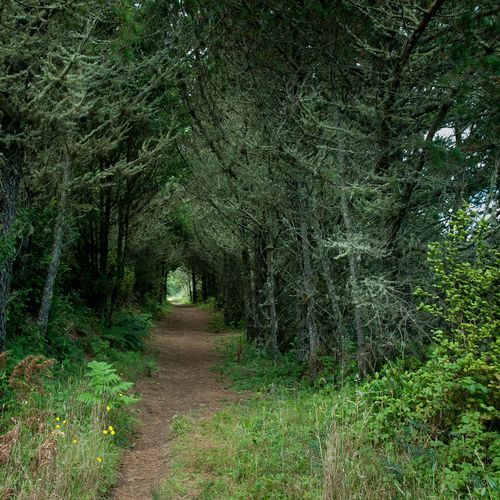
Inland, the north side of Inverness Ridge is covered in bishop pine growing in granitic soil. Madrone, huckleberry and manzanita share this forest, and Steller's jays, finches and sparrows move through the branches.