Voyageurs National Park guide · 2 min read
Ice-Out and Freeze-Up: Timing Your Trip
The lakes set the pace for the year here. The average ice-out date falls on May 3, but it shifts from one year to the next, and some lakes can stay ice-covered until mid-May.
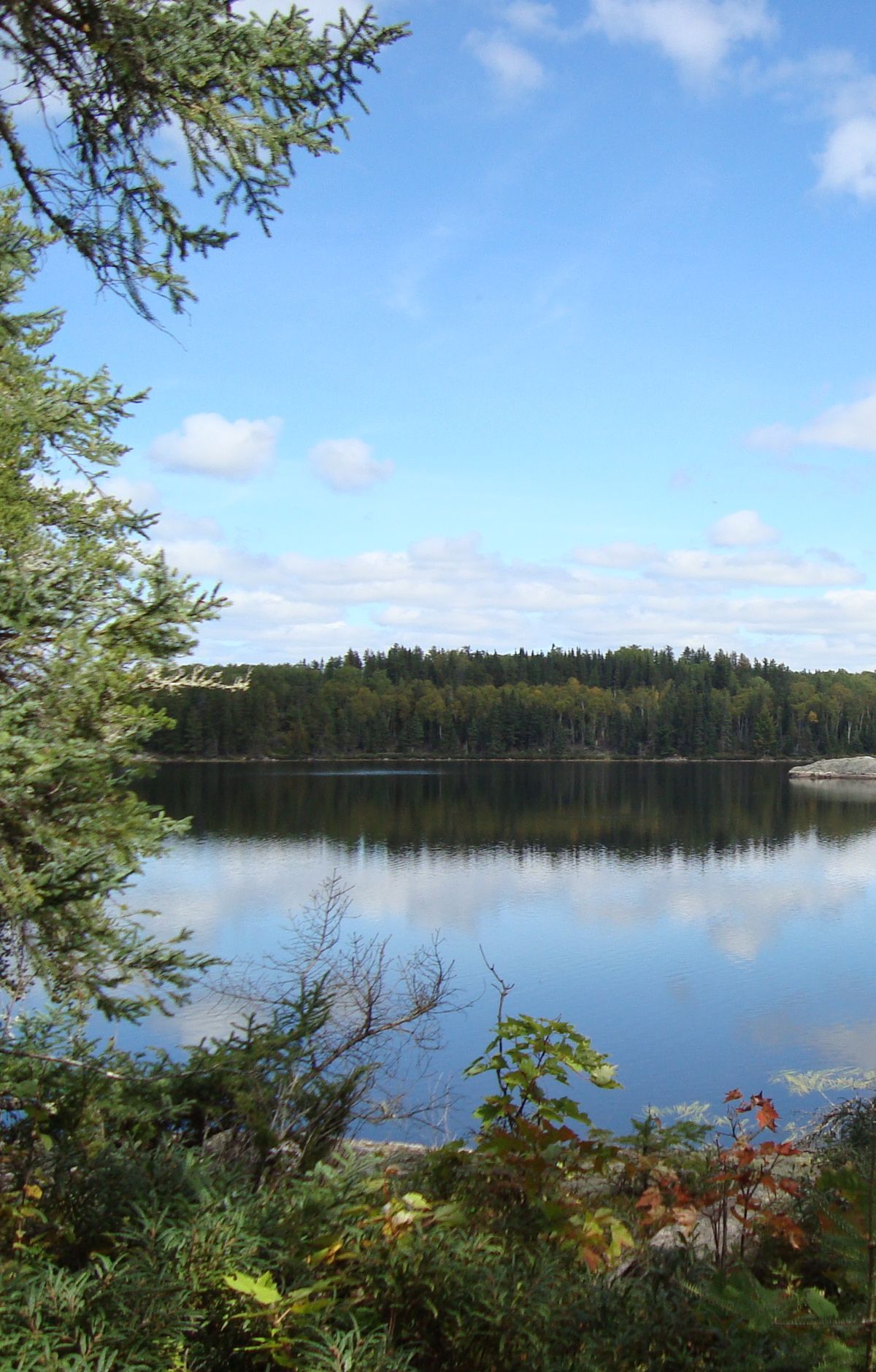
Freeze-up usually starts in November, and the first measurable snowfall typically arrives in late October.
Plan around a frost-free stretch of about 120 days on average, lasting from June to mid-September. Winter snowfall ranges from 55 to 70 inches a year, though totals swing widely from one season to the next. Snow can linger into late April or even early May, and ice-out timing shapes how long the winter season lasts.
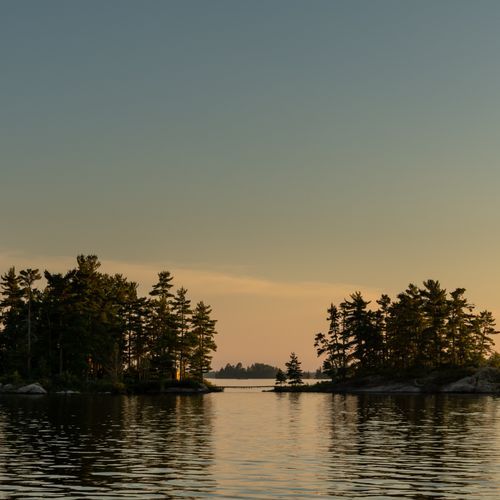
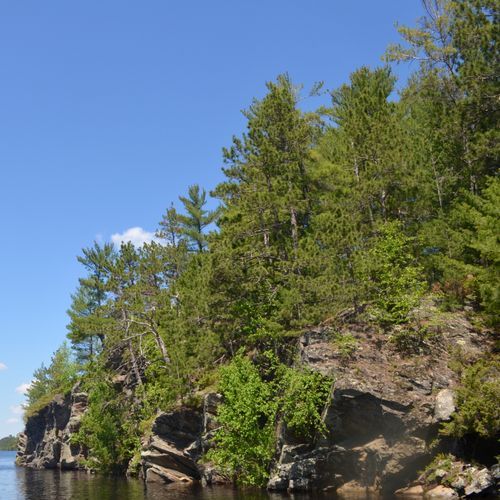
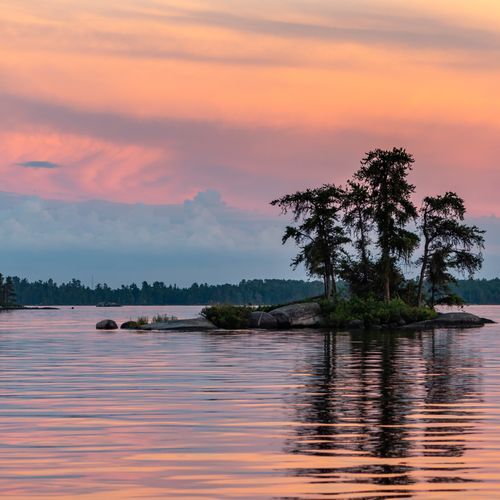
Summer here is built around the water. Rainy Lake, Kabetogama Lake, Ash River, Crane Lake, and Orr and Pelican Lake all offer ways onto the water, and a boat opens up most of the park. Apart from primitive sites, every campsite needs a boat to reach. Kayaks and canoes are a common choice, and houseboat rentals and guided tour boats are other options.
When the lakes freeze, the park takes on a different character. Snowmobiles, cross-country skis and snowshoes become the main ways to travel, and some visitors drive a car out onto the ice road. Keep any ice house, portable or permanent, a minimum of 50 feet away from the centerline of the ice road or any snowmobile trail. Anglers must hold a Minnesota fishing license and register their ice houses.
Winter campers use the same sites as in summer, reaching them on foot or by snowmobile once the ice is safe, and February and March usually bring the most suitable conditions. Check the forecast and the latest Winter Trails Report before you step onto the ice, since that report is refreshed weekly through the season. The Rainy Lake Visitor Center offers a place to step inside and get out of the cold for a while.