Wind Cave National Park guide · 1 min read
Boxwork: Wind Cave's Honeycomb Signature
Boxwork is the formation that sets Wind Cave apart. Its calcite blades are thin and cross one another, forming a honeycomb pattern.
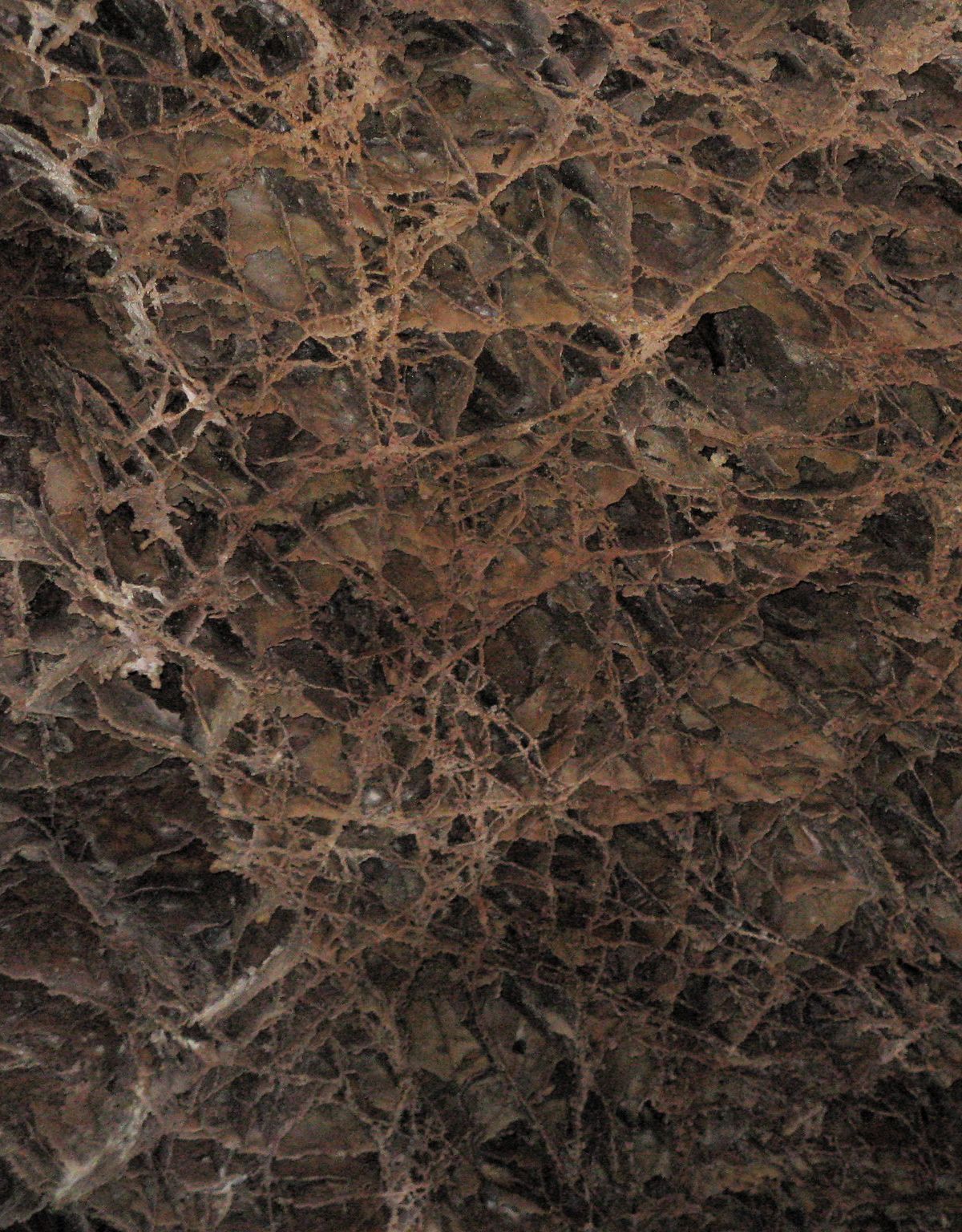
About 95 percent of the world's discovered boxwork is found in this cave, which makes the formation extremely rare.
The boxwork started to take shape as sediment settled. Larger calcite blocks sat unevenly together, and smaller calcium-based minerals filled the gaps and hardened. Later, weathering wore away the softer blocks and left the harder filling standing. Over a long span, erosion of the surrounding bedrock and limestone exposed those calcite veins, and the honeycomb pattern came into view.
Visitors go underground on a tour led by a park ranger. The route is the longest walk through the cave, crossing parts of the middle and upper levels. Rangers bring ten people at a time down by elevator, a drop of nineteen stories. Once inside, keep your distance from the walls, because touching or leaning on the cave itself causes damage.
Frostwork is another of the cave's notable formations. Wind Cave also ranks among the most recognized breathing caves. The Lakota, the indigenous people of the Black Hills, call the place Maka Oniye, meaning breathing earth. Depending on conditions outside, air either flows into the cave or streams back out through the entrance.
Measured by passage per cubic mile, the system ranks as the densest in the world. Jewel Cave, the second longest cave in the United States, lies nearby. Though close together, the two caves have never been found connected. Jewel Cave holds most of the boxwork lying outside Wind Cave.