Wind Cave National Park guide · 2 min read
Genetically Pure Bison of the Mixed-Grass Prairie
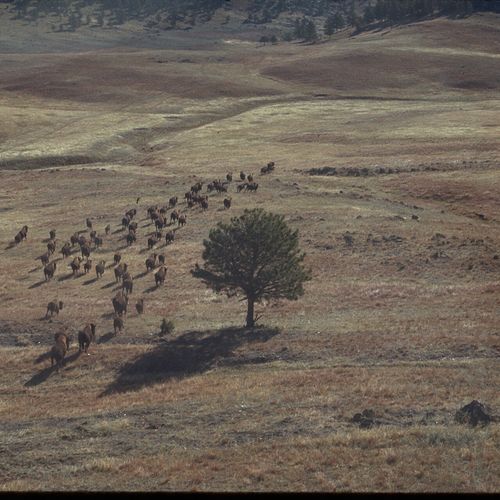
The bison herd at Wind Cave is one of only four free-roaming, genetically pure herds left in North America.
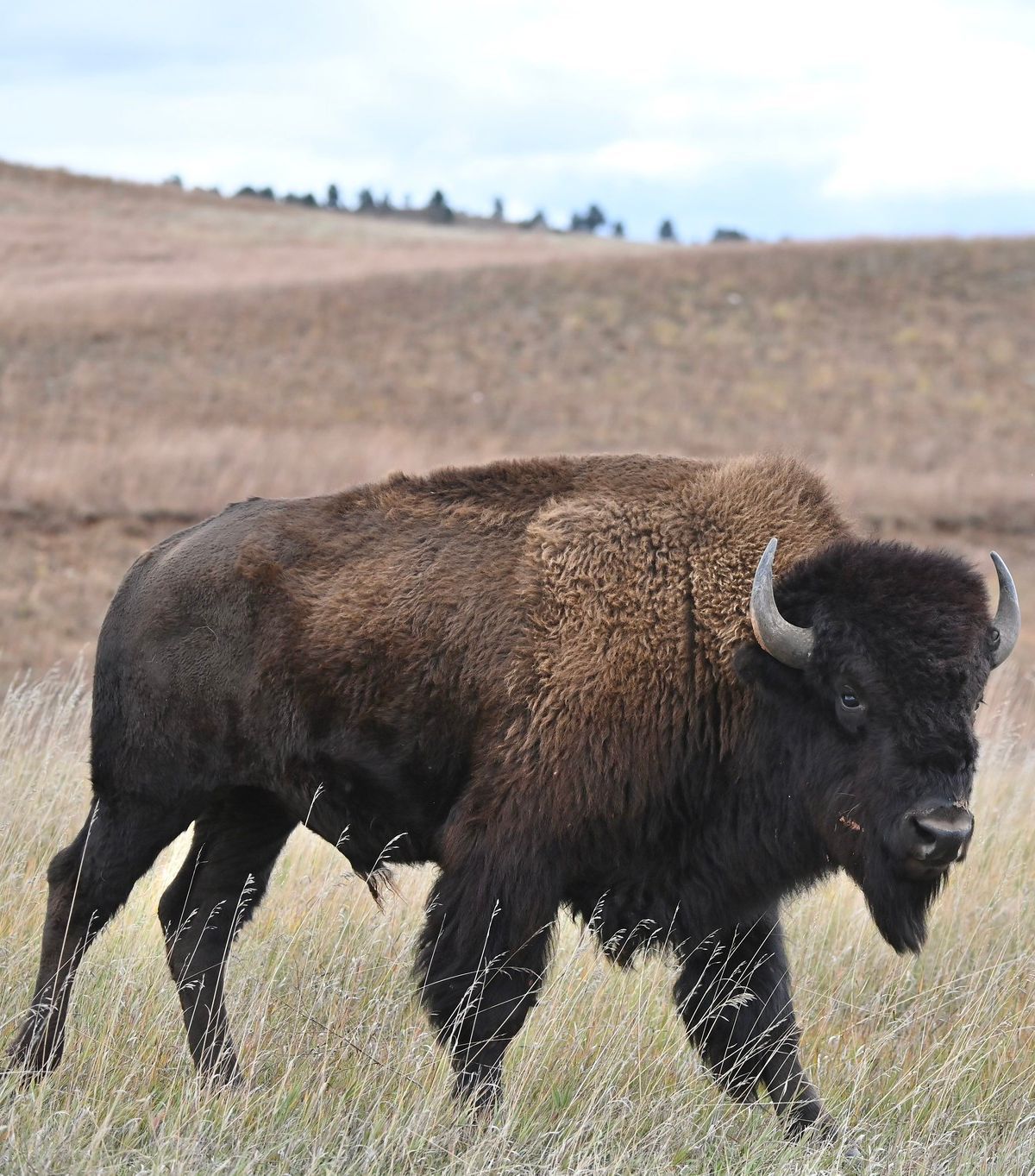
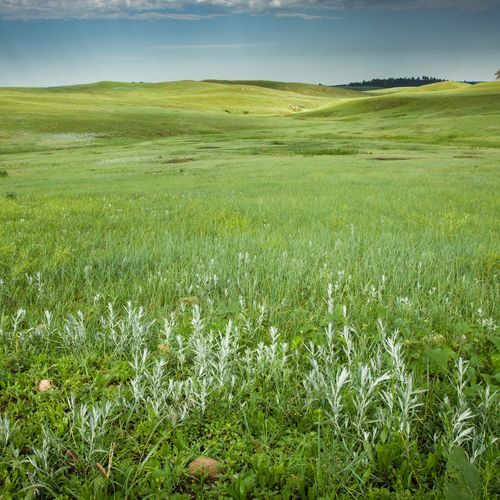
The other three live in Yellowstone, in the Henry Mountains of Utah, and on Elk Island in Alberta, Canada. Above the cave lies an expansive mixed-grass prairie, among the biggest in the country.
Visitors often encounter bison along the park's roads and trails. The two main roads along the west side of the park are good places to look, and you will very likely spot them while driving. Bison Flats is one place to watch for them. Pull over for a few minutes and look around.
Bison may look calm, but they are unpredictable and can be dangerous. A bison can reach speeds of 35 miles per hour, tip the scales at as much as a ton, and carry sharp horns. Keep 25 yards or more between yourself and any animal, and give bison more room, since they become more aggressive during calving and mating season. Feeding prairie dogs or other wildlife is a bad idea, since animals that get handouts can come to rely on them.
The East Bison Flats Trail begins with a half-mile walk down the Wind Cave Canyon Trail. A brief, steep climb then brings you up to rolling prairie hills, with views toward Buffalo Gap and the Black Hills. The trailhead sits a short distance north of the park's southern edge, beside Route 385, and the full hike covers 3.7 miles. For an easier option, the Prairie Vista Trail winds through rolling fields past the natural cave entrance.
Wind Cave is an open hike park, so you can leave designated trails and explore on your own. If you head off trail, pack plenty of water and a map, and keep track of your surroundings. Bison wander across the entire park, and cell coverage is sparse.