Wrangell - St Elias National Park & Preserve guide · 1 min read
Timing Your Trip Around Rain and Early Snow
The best window for a visit to Wrangell-Saint Elias National Park and Preserve runs from late May through mid-September, when daylight lasts long and the air runs from cool to warm.
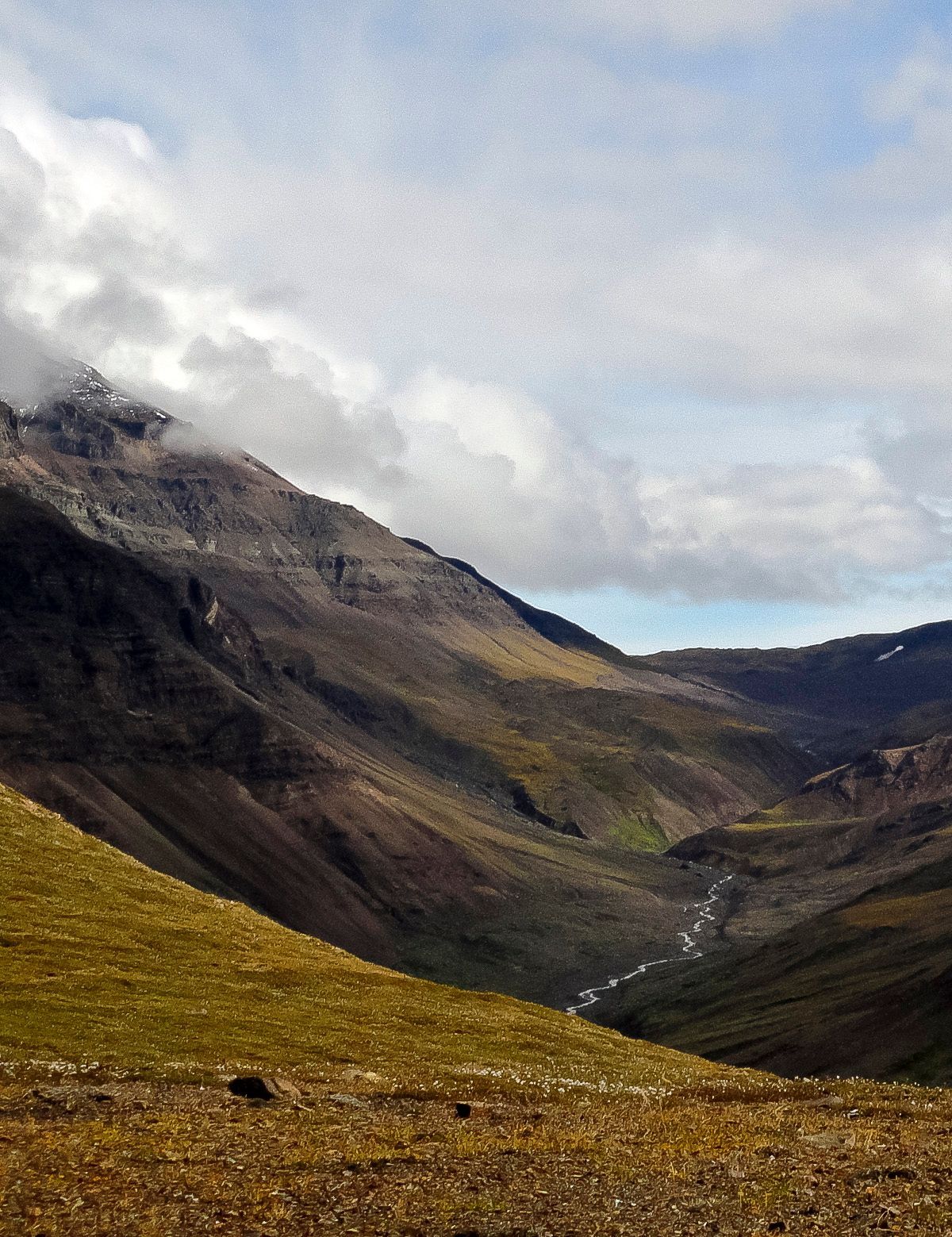
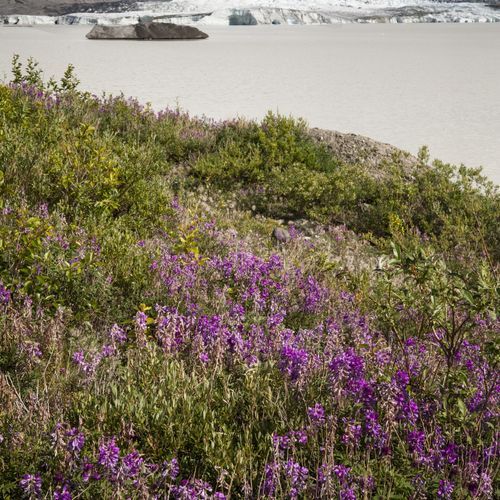
From June through September, daytime highs average about 65 degrees and nights average about 50 degrees. Summer in the interior is short, lasting roughly June and July, and it brings wildflowers along with biting insects.
Rain is common throughout the summer, so plan for wet days. June typically brings about 14 days of rain, and August tends to see around 17. June and July are generally drier than August and September, but late summer can bring drizzle as the weather cools.
Late June is a popular time to come. Skies tend to be drier than in the later summer months, and visitor numbers are already high but have not yet peaked, which usually happens in July.
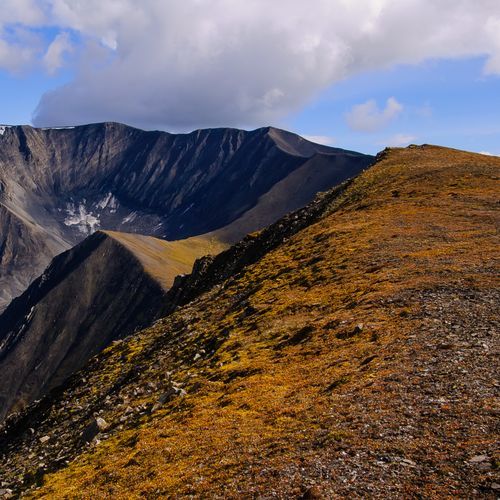
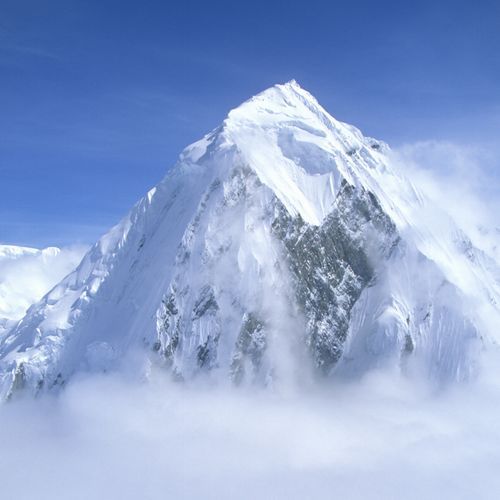
Autumn arrives quickly. The weather starts to cool in August, and first snows usually fall in September. By the time the month winds down, snow generally lies across the ground, and services thin out, so check ahead for what will still be running. Winter stretches on for months, and in the interior temperatures can stay below freezing for around five of them.
Bring gear for cold, rain and bugs whenever you visit. Temperatures can swing from as warm as 75 degrees to as cold as 20 degrees, even within a single day, so layers matter. Keep your sleeping bag dry by storing it in dry bags or heavy-duty garbage bags, and pack extra high-calorie food, because chilly, damp days burn more energy. Mosquitoes can be a real nuisance from May into September, so bring bug spray. Campsites often become bookable several months ahead, so reserve early for the busy season.