Yellowstone National Park guide · 2 min read
Fishing for Native Cutthroat Trout
Cutthroat trout are the only trout native to Yellowstone, and before Euroamerican settlement they were the most common fish in its waters.
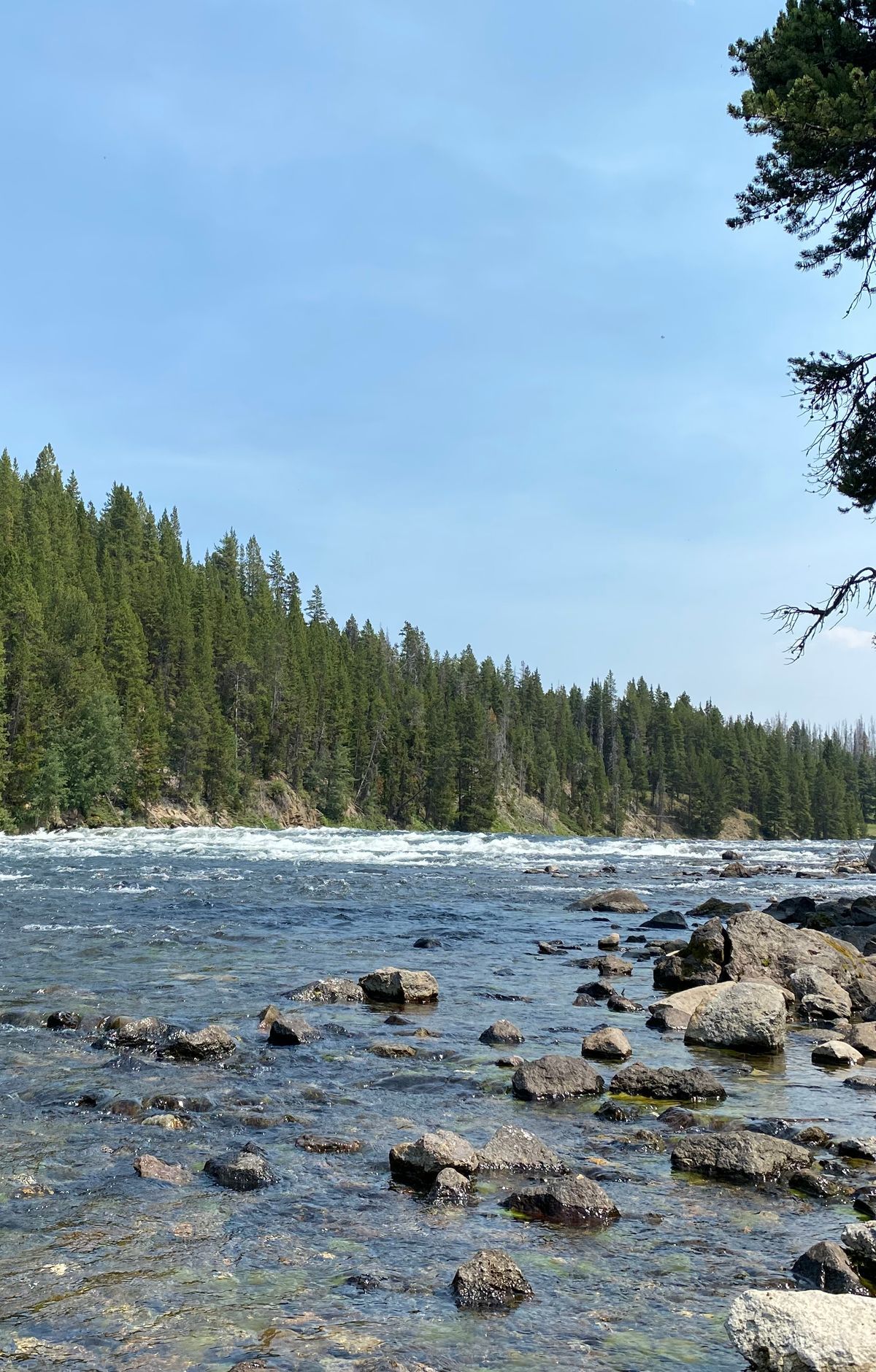
Along with Arctic grayling and mountain whitefish, they are central to the park's ecology. Their numbers have fallen because of introduced brook, brown, lake and rainbow trout.
People have fished here for more than a century, and about 50,000 visitors cast a line each year. The park's fishing rules are built to protect native fish. Every native fish you catch, including cutthroat trout, grayling and whitefish, must go back into the water right away. Keeping nonnative trout is allowed in many park waters and is sometimes required.
That makes telling species apart your job. The fishing map in the park regulations shows where species are known to live and gives identification tips. To separate a westslope cutthroat from a rainbow trout, count the spots on the head, look for a slash under the lower jaw, and check the side markings and fin edges. When you can't tell what you've caught, release it.
In the Native Trout Conservation Area, all native fish are released, and you can keep as many nonnative fish as you like. Throughout the Lamar River drainage, with its tributaries and lakes and stretches of Slough and Soda Butte creeks, anglers have to kill every rainbow trout, brook trout and identifiable cutthroat and rainbow hybrid they land. To recognize a rainbow or a hybrid, check the anal fin and the paired pelvic fins, which end in white on these fish.
On Yellowstone Lake, any lake trout you hook has to be killed, since letting one swim away is against the law. The lake is also a focus of the Native Fish Conservation Program, which aims to protect the lake's cutthroat trout and bring back trout that live in rivers. Smallmouth bass get the same treatment everywhere in Yellowstone: kill any you land and report the catch.