Yellowstone National Park guide · 2 min read
From Native Homeland to First National Park
Long before any boundary was drawn, this high country was a homeland. For more than 10,000 years, Native Americans hunted, fished and gathered plants here, and they turned to the hot waters for healing and worship.
At least 27 Tribes keep historic and present-day ties to these lands. Cultural events such as Yellowstone Revealed, with Blackfeet cultural ambassadors, share that living heritage today.
Volcanic glass drew some of the earliest people. In the 1950s, crews building the post office in Gardiner, Montana, unearthed an obsidian point of Clovis origin roughly 11,000 years old. Paleo-Indians shaped the local obsidian into cutting tools and weapons. Arrowheads of Yellowstone obsidian have turned up as far away as the Mississippi Valley, a sign of regular trade with tribes farther east.
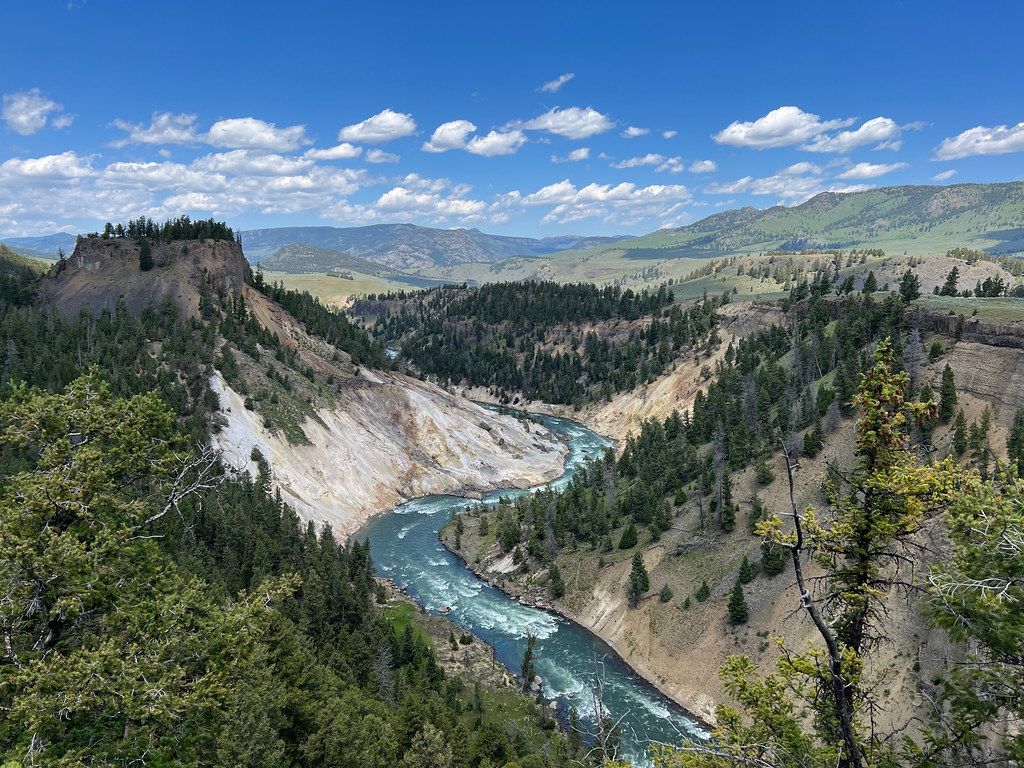
The Yellowstone River cuts through the middle of the park and gave it its name. Near the close of the 1700s, French trappers called the river Roche Jaune, probably a translation of the Hidatsa name Mi tsi a-da-zi, and American trappers later rendered it as Yellow Stone. Many people credit the yellow rock of the Grand Canyon of the Yellowstone, but the Native name's origin is still unclear.
On March 1, 1872, President Ulysses S. Grant signed the Yellowstone National Park Protection Act, creating the first national park in the United States, widely considered the first in the world. The goal was to keep its hydrothermal wonders, from hot springs to Old Faithful geyser, open to everyone.
Early on, some locals worried that bans on settlement and resource use would hurt the regional economy. Local entrepreneurs wanted the park shrunk for mining, hunting and logging, and Montana representatives introduced bills to lift federal land-use limits. Nathaniel Langford, named the first superintendent in 1872 by Interior Secretary Columbus Delano, served five years with no salary, funding or staff, leaving the park exposed to poachers and vandals.