Acadia National Park guide · 1 min read
Darkest Skies on the Eastern Seaboard
Acadia's night skies stay remarkably dark for a place so close to Portland, Boston and New York.
On a clear night, stars, planets and the pale band of the Milky Way stand out above the mountains and the Atlantic. Staying out after sunset is one of the simplest ways to see a different side of the park.
Sand Beach, the largest sandy beach in Acadia, sits just off the Park Loop Road, the roughly 20-mile route that circles much of the park's eastern side. With open views overhead and little stray light, the beach is an unusually dark place to look up. This is where rangers lead Night Sky Talks, covering natural history, memorable stories and a guided introduction to the stars over Down East Maine.
A little preparation makes a talk more comfortable. Bring a towel or a chair to sit on, dress in warm layers, and pack bug spray, since insects are active on the sand. Keep in mind that the beach is not wheelchair accessible.
On the quieter west side of Mount Desert Island, Seawall Picnic Area offers stargazing from a classic cobblestone beach with the sound of waves close by. The views reach northeast and south across the Atlantic Ocean and the mouth of Somes Sound, and it is a short trip for anyone staying near Southwest Harbor or Bass Harbor. Photographers like the rocky shoreline here as a foreground for shots of the Milky Way, Jupiter and Saturn.
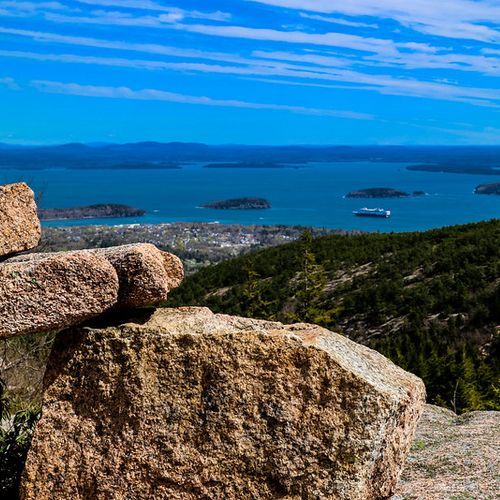
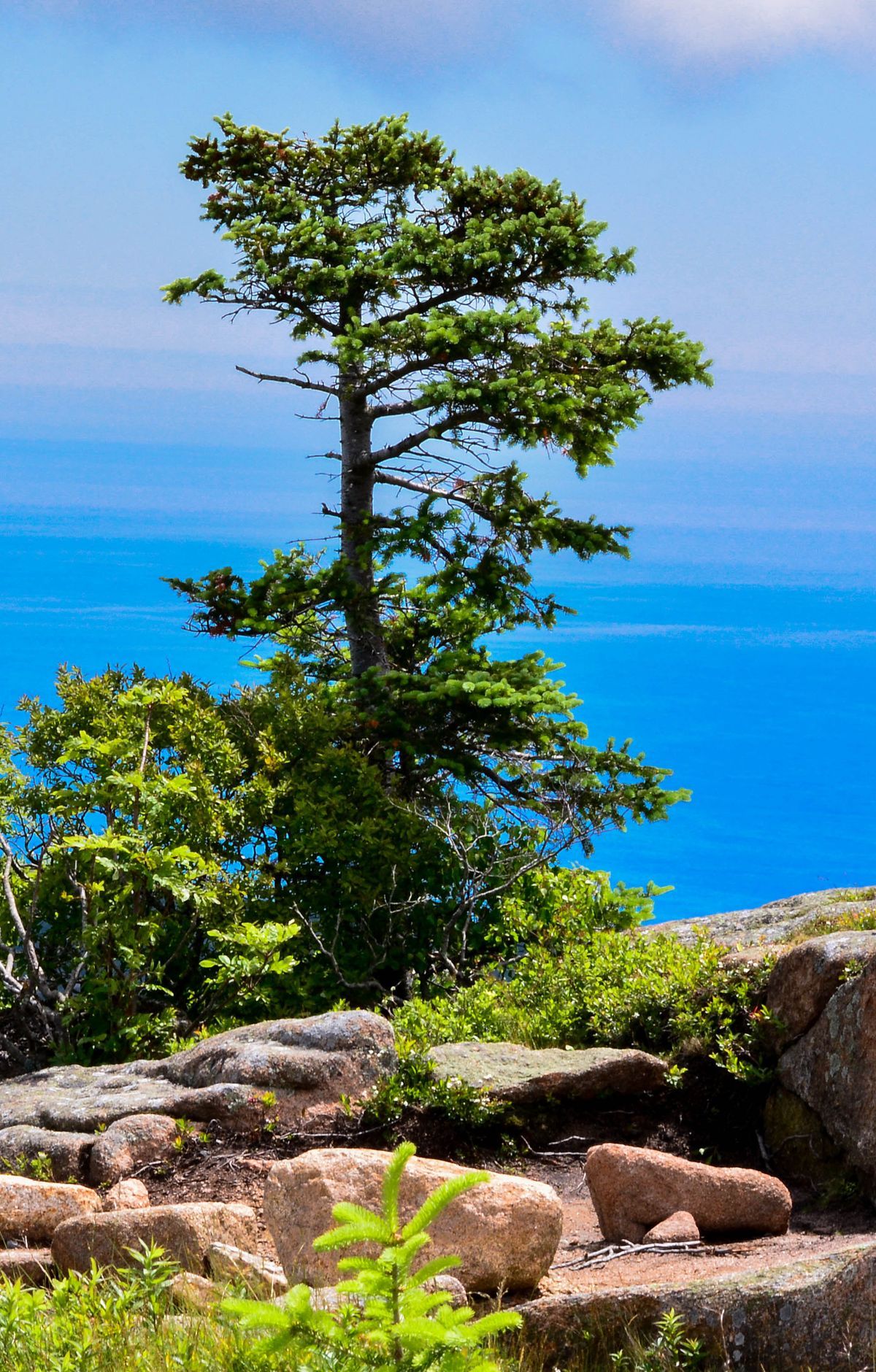
Cadillac Mountain rises to 1,530 feet, making it the highest peak on the eastern seaboard. Its summit offers wide viewpoints over the island. Together with Sand Beach at sea level, it marks the full range of elevation on the park's east side.