Black Canyon Of The Gunnison National Park guide · 2 min read
Winter on the Rim: Skiing and Closures
In winter, vehicles cannot go past the South Rim Visitor Center at Gunnison Point. When staff and snow allow, the road beyond is groomed for skate and classic cross-country skiing as well as snowshoeing, and it then becomes the South Rim Ski and Snowshoe Trail.
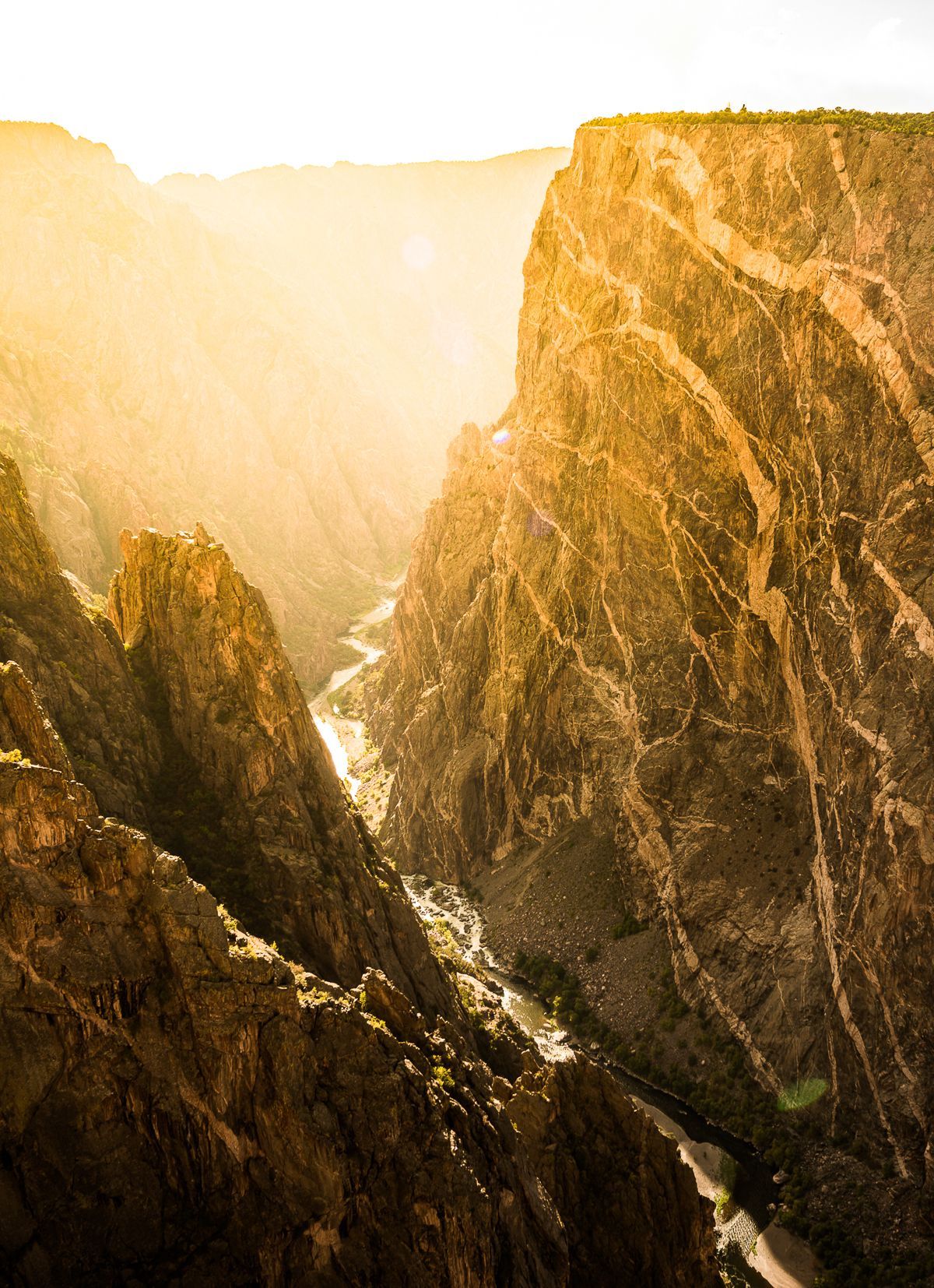
The route runs six miles one way and passes more overlooks along the rim. Parking is at the visitor center, but rental gear is not available inside the park, so plan to bring your own equipment.
Snowshoeing works in several places, and the right choice depends on snow conditions and your experience. The South Rim Ski and Snowshoe Trail suits beginners. The upper section of the Oak Flat Loop Trail is a step up for intermediate snowshoers. Rim Rock Trail calls for deeper snow, because bare rock poking through can wreck snowshoes. Hiking paths can be patched with ice or buried under snow, so take care on slick stretches.
When conditions cooperate, rangers may lead snowshoe walks through the oak stands, over open meadows, and along the canyon rim. Talks on geology are sometimes part of the outing. Program times are posted on the park calendar, so look there before you set out.
The South Rim Visitor Center, along with the Tomichi Point and Gunnison Point overlooks, is listed among the open areas for winter. That makes South Rim the practical starting point for a winter trip, and it is the most accessible part of the park.
Winter access is the main limit across the park. The North Rim is off limits to cars in winter, because the road is gated where it meets the park boundary. Other park roads are restricted or shut completely during the snow season. No road crosses the park to join the two rims, so getting from one to the other means taking non-park roads, a drive of two hours or more. Plan to spend a winter visit on one rim, and check current alerts before you go.