Parka
Buffalo National River

Camping in Buffalo National River

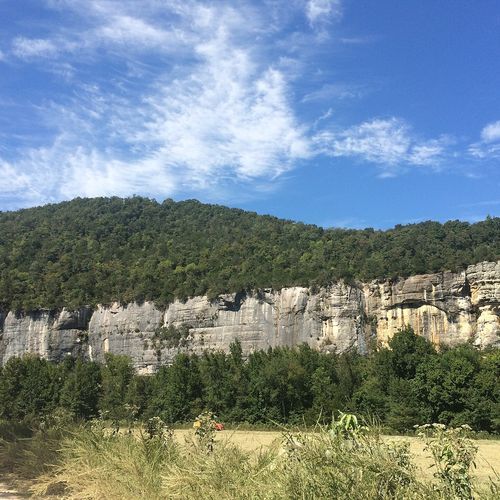
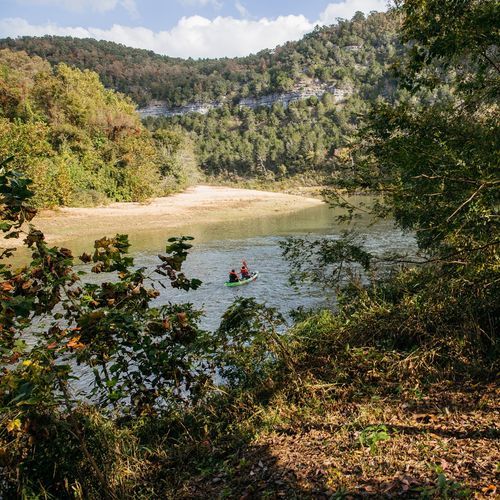
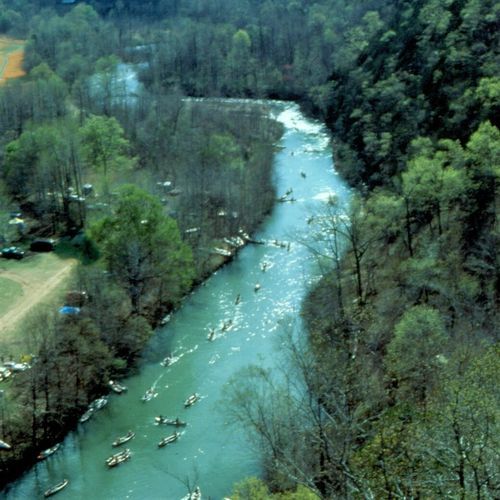
Camping along the Buffalo is one of the most rewarding ways to experience America's first national river, and the park makes it easy with eleven developed campgrounds strung along its winding course through the Ozarks. Options range from popular hubs like Steel Creek on the upper river, set beneath towering bluffs just east of Ponca, to Tyler Bend near the main visitor center and Buffalo Point on the lower stretch. Beyond standard individual sites, you'll find group sites that hold up to 25 people and horse campsites that accommodate six riders along with six head of stock, making the park a natural base for paddlers, hikers, and equestrians alike. For the more adventurous, primitive camping on the river's broad gravel bars is a classic Buffalo experience, especially on multi-day float trips.

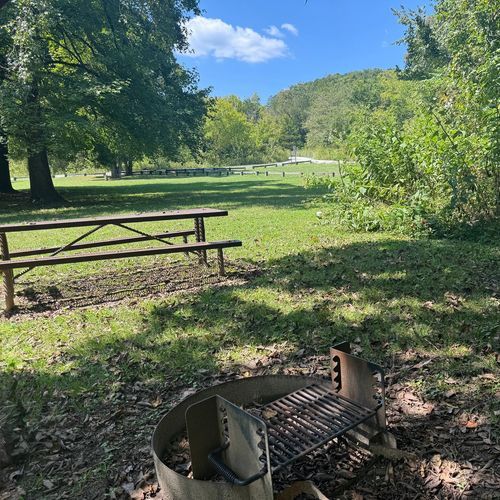
The rhythm of camp life here follows the river. Mornings bring mist rising off the water and the chance to launch a canoe straight from your site, while evenings often end around a crackling fire ring under remarkably dark skies. Summer is the liveliest season, with rangers leading hikes, float trips, music programs, and evening talks from Memorial Day through Labor Day. If you're bedding down on a gravel bar, always scout a route to higher ground before nightfall, since the Buffalo can rise quickly after rain upstream. Backpackers who camp away from the river should pitch at least 50 feet from the trail and 100 feet from any stream, on durable ground that won't scar easily.

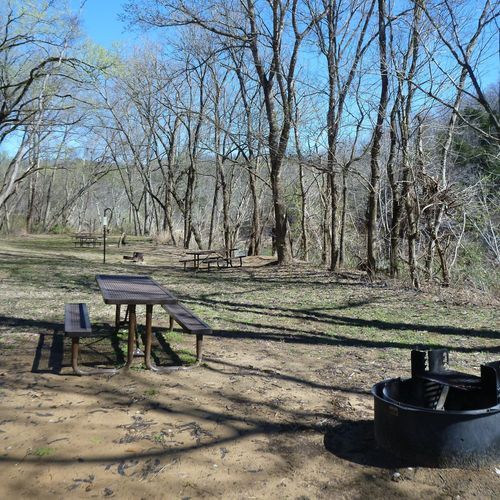
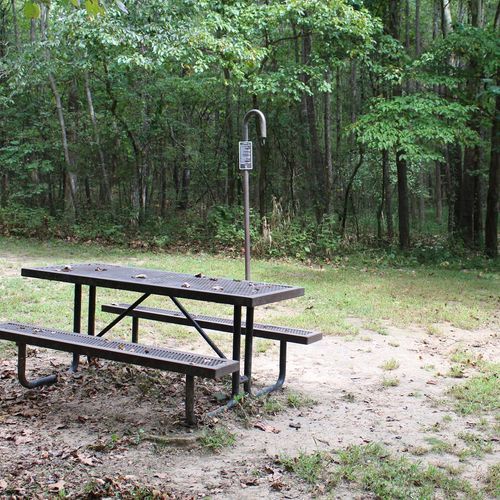
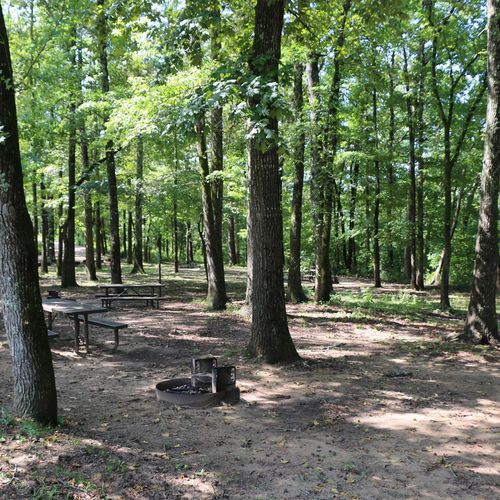
A few rules keep the campgrounds pleasant for everyone. Check-in begins at 1:00 pm and check-out is at noon, individual sites cap out at six people, and every site must be occupied each night, so holding spots for friends isn't allowed. Keep flames confined to the provided rings, shut off any generator by 8:00 in the evening and leave it silent until 8:00 the next morning, and respect the hush that settles over camp from 10:00 pm until 6:00 am. Keep pets leashed, collect and properly dispose of gray water, and hang lanterns from the hooks rather than nearby trees. Outside designated sites, steer clear of caves, rock shelters, historic buildings, the Lost Valley Trail, and the privately owned fields of Boxley Valley, and note that stays are limited to 30 days per calendar year. Finally, stock up before you arrive: restaurants and stores are few and far between in this rugged corner of Arkansas, so a well-packed cooler is your best friend.

31 sitesReservable$20/night

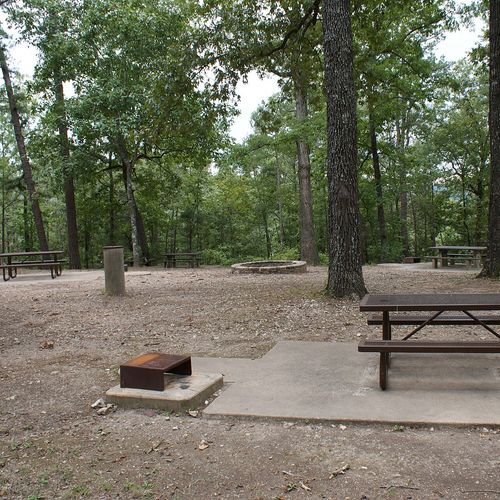
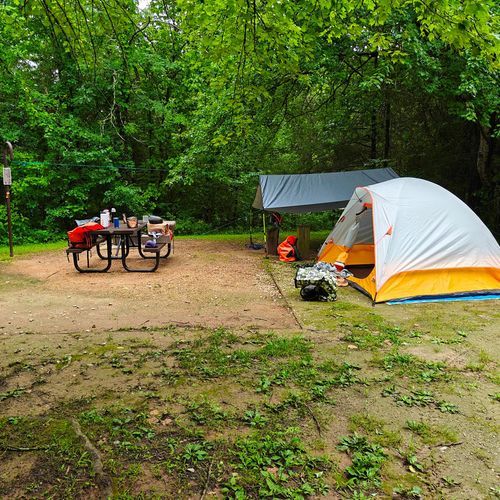
Set at the end of a long gravel road in the Upper District, this campground mixes drive-in sites with walk-in tent sites and group sites. Every site comes with a fire ring, a lantern hook and a table for meals. A boat launch next door makes it a handy base for paddling the Buffalo River, and the Parker-Hickman Homestead is a short walk away. Cell service is unreliable, so arrange your stay before you arrive.

39 sitesReservable$20/night

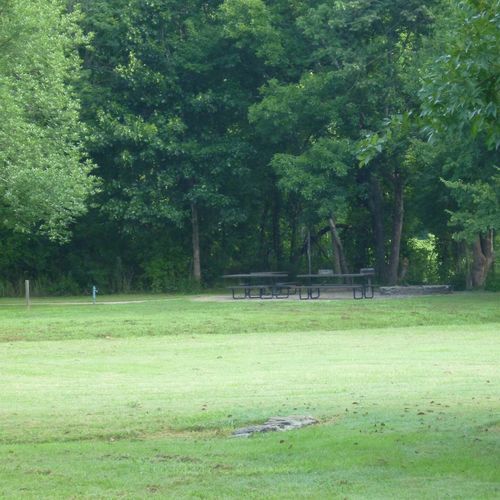
Grassy, shade-dotted lawns near the Buffalo River make this one of the river's most popular places to camp, with Roark Bluff a short walk away. Most sites are for tents only, and a set of sites marked by picnic tables and lantern posts welcomes campers traveling with horses or other stock. There are no electric hookups, but water and flush restrooms are available in the main season. A ranger station sits within the campground's Valley Y Ranch Historic Area.

12 sitesFree

This small, primitive campground in the Lower District is for tents only, with no trailers, RVs or camper vans allowed. Every site comes with a fire ring, a table for meals and a hook to hang a lantern, and spots go to whoever arrives first. There's a vault toilet but no water or showers, so bring what you need. The nearby river landing works for paddlers willing to haul canoes and kayaks by hand from the parking area.

12 sitesReservable$16/night

A small, quiet campground with walk-in sites for tents only; trailers, RVs and camper vans aren't allowed. You'll find a fire ring, a table for meals and a hook to hang a lantern at every site. Getting in means a graded gravel road and a crossing of Rush Creek, which can be impassable in high water. The ruins of the Rush mining ghost town sit a short walk away, and cell service is spotty, so arrange your reservation before you arrive.

Free

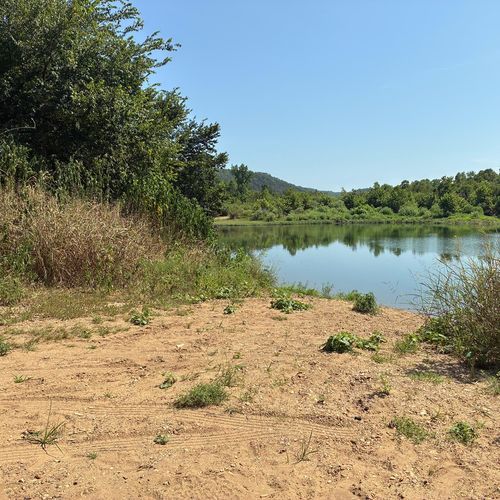
This simple, undeveloped campground sits beside a river access on the right bank of the Buffalo River, where float trips from Gilbert wrap up. The surrounding stretch of river is usually quieter than the rest of the Middle District, with long pools and gentle riffles suited to fishing. Paddlers often spot river otters, mink, elk and eagles nearby, and a towering bluff rises a couple of miles upstream near Cain Island.

42 sitesReservable$20–$50/night

This developed campground in the park's Middle District is a short walk from the Tyler Bend Visitor Center and the historic Collier Homestead. Drive-in sites accommodate tents, trailers and RVs, and there are also walk-in tent sites and tent-only group sites with a pavilion. Every site comes with a place to cook over a fire, a hook for hanging a lantern, and a table for meals. Flush restrooms, showers and water spigots are nearby, but there are no electric hookups. Cell service is unreliable, so reserve before you arrive.

Free

This riverside campground sits beside a Buffalo River launch where Richland Creek flows in, making it a natural base for paddlers. Upstream lies The Narrows, a thin limestone ridge carved by both streams, with Skull Bluff and its two skull-like holes just beyond. Floats from Mt. Hersey end here, and trips toward Baker Ford start here. The approach from Highway 65 near St. Joe finishes on graded gravel.

106 sitesReservable$20–$50/night

The park's largest and most developed campground, and the only one with water and electric hookups for RVs. Drive-in loops suit tents, trailers and motorhomes, though two loops fit only smaller rigs, and a separate set of walk-in sites is reserved for tents. Showers and flush restrooms serve campers, an amphitheater sits steps away, and the Indian Rockhouse and Overlook trails start nearby. Cell service is unreliable, so plan ahead.

8 sitesReservable$16/night

This small, tent-only campground sits on the Buffalo River just downstream of the tall Highway 123 bridge, where Big Creek flows into the river. Campers carry their gear a short way to a handful of sites, each set up with its own fire ring, lantern hook and table, and RVs and trailers aren't allowed. Paddlers often finish a float from Hasty here, and the creek mouth is a favorite local spot for swimming and fishing.

33 sitesReservable$20/night

This walk-in, tent-only campground sits on the Buffalo River deep in the Ponca Wilderness, with a boat launch for canoes, kayaks and rafts plus a trailhead. Every site comes with a fire ring, a table for meals and a hook for hanging a lantern, and there's a flush restroom. Expect a rough, steep gravel road on the way in, best driven in a vehicle with high clearance and four-wheel drive. Cell service is unreliable, so plan ahead.

32 sitesReservable$20/night

Reached by a few miles of maintained gravel from Highway 7, north of the town of Jasper, this Upper District campground holds 30 sites and one group pavilion. Every site comes furnished with its own fire ring, picnic table and a hook for hanging a lantern. Phone coverage is spotty, so book ahead and fill out the sign-in form at the registration station when you arrive. The low-lying grounds can flood after heavy rain, so check the forecast.

Get real-time campsite availability alerts in the Parka app

Download Parka — It's Free

Take it with you

The Parka app keeps your maps, trails and plans working with no signal. What you save here is already there.

Download on the App Store

Explore All 83 Parks

Browse parks by region and discover your next adventure