Cabrillo National Monument guide · 1 min read
Birding Point Loma's Raptors and Songbirds
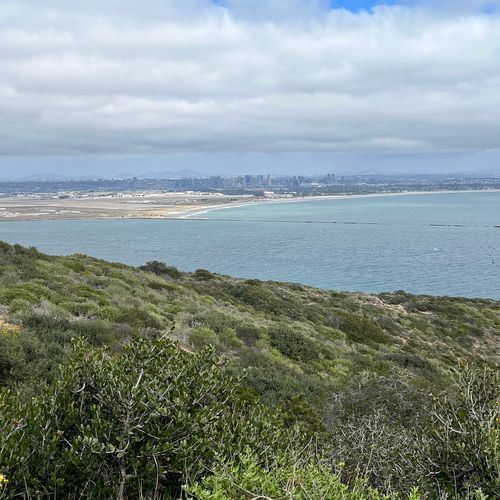
Point Loma reaches into the Pacific at the entrance to San Diego Bay, and that position places Cabrillo National Monument right on the Pacific Flyway.
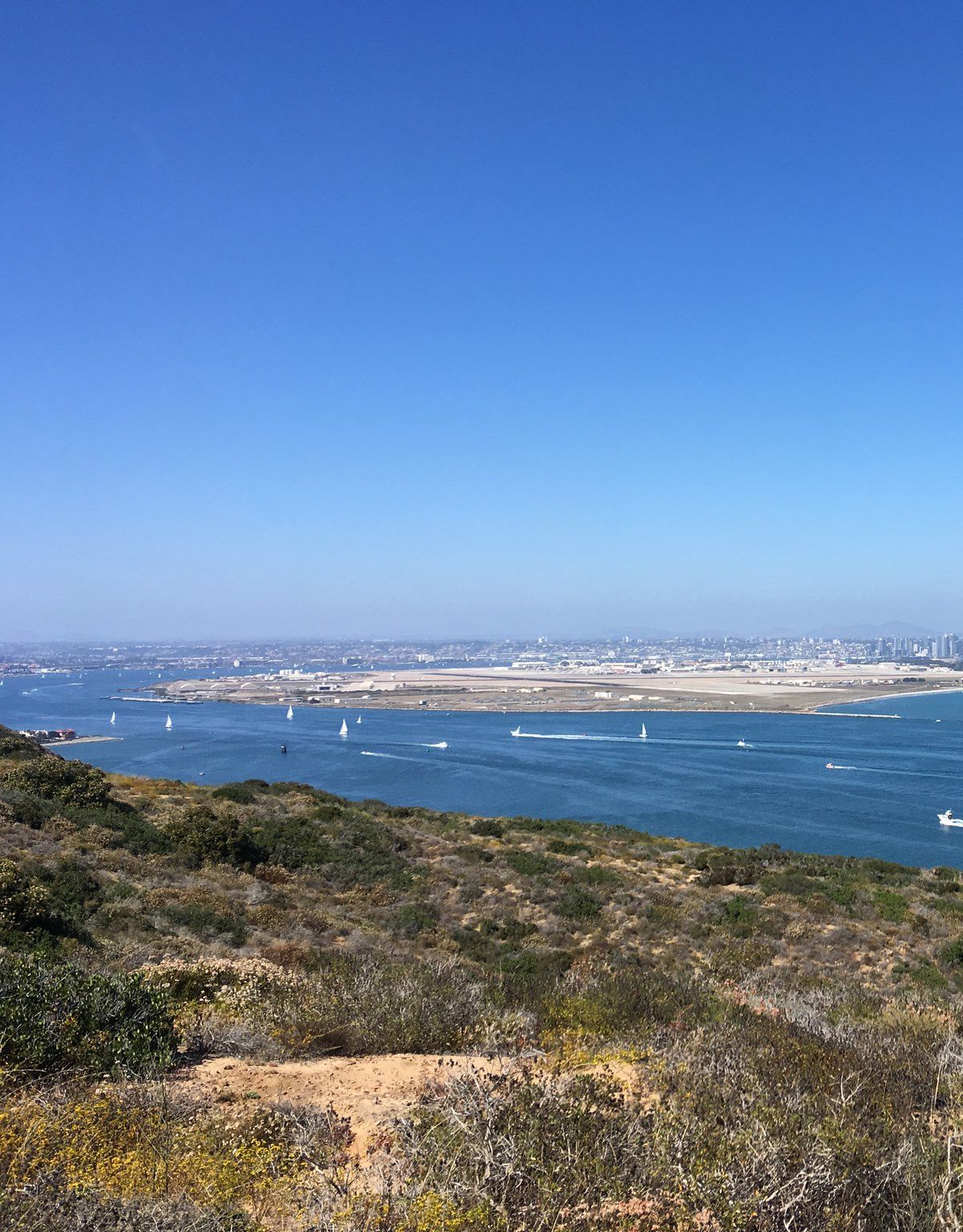
Migrating birds come down on the peninsula to rest and refuel, and some that have strayed or become disoriented on their journeys land here as well. You can bird the monument in any season, though spring and fall bring the heaviest wave of migrants.
Raptors are a highlight. During the busiest stretches of migration, birds of prey use the point as a landmark to steer by. Red-tailed Hawks live here all year, and the American kestrel is one of the birds seen most often.
The monument's varied habitats of coastal sage scrub, rocky shores and tidepools support both resident and migratory birds, from raptors to colorful songbirds. Anna's hummingbird and the California quail are also among the species frequently spotted. The checklist for the monument and the wider peninsula runs to 346 species, and more than 270 of them have turned up within Cabrillo itself.
The western side of Point Loma is worth a slow look. It is the only place in San Diego where Black Oystercatchers appear on a regular basis. Brandt's Cormorants gather in big numbers to roost on the cliffs there.
Bring binoculars, and if you photograph birds, use a long lens so you can stay well back. Keeping your distance lets birds feed, rest and raise their young without being flushed. Watching quietly from a respectful spot is the simplest way to help protect the wildlife that makes this peninsula such a rewarding place to bird.