Cabrillo National Monument guide · 1 min read
The Kumeyaay: Point Loma's First People
When Juan Rodriguez Cabrillo sailed into San Diego Bay in 1542, the land around Point Loma was already home to people.
Roughly 3,000 Native Americans lived in the San Diego area then. They were the Kumeyaay, a people the Spanish records called the Diegueños, and they lived simply, drawing on what the land and sea around them provided.
Several Kumeyaay men stood waiting at the shore as Cabrillo's ships came in. Some wore their long hair braided and decorated with shells or feathers, along with capes cut from the hides of deer, seals and sea otters. Their welcome was wary. Through gestures, they acted out riders carrying lances, showed armor and the slashed sleeves of Spanish soldiers, and made clear that other bearded men with crossbows were already inland and had frightened them. Cabrillo answered with gifts and a promise that he meant no harm.
What Cabrillo found was a prosperous and capable people. Kumeyaay fishers took reed canoes well out onto the ocean for their catch, and the skins they wore came from the animals around them. They also likely shaped the land itself with fire. Fire has been part of the southern California landscape for thousands of years, and while it can do great damage when conditions line up, it has long helped shape the country around Point Loma.
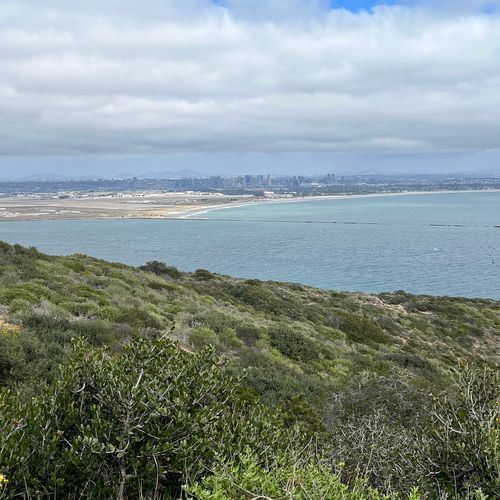
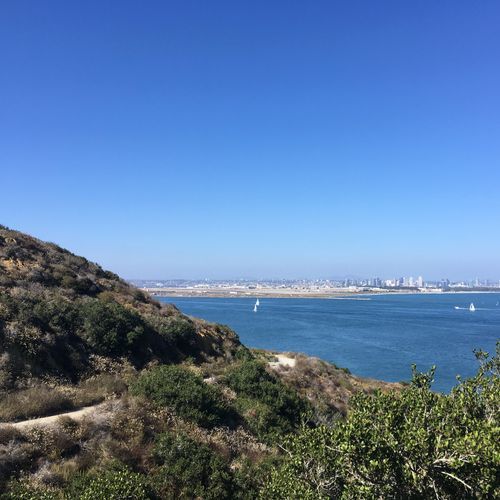
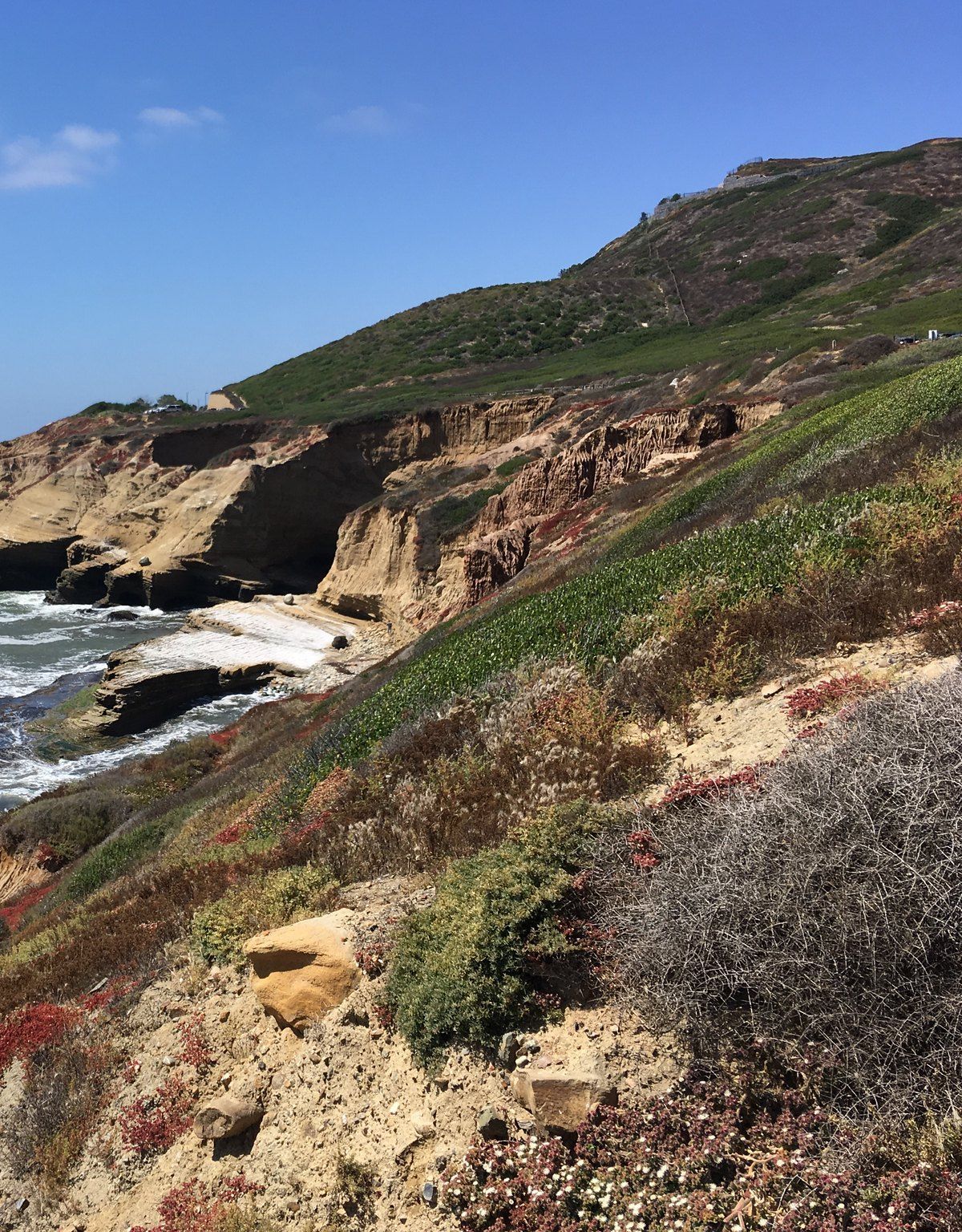
The coastal habitat of that era, with its cactus, gray foxes and tarantulas, is now among the rarest anywhere, worn away by colonization and centuries of development. A remnant still survives here on the peninsula. The Kumeyaay endured as well, holding on to their traditions while adjusting to a changed world, a reminder that the meeting in 1542 was not the end of their story.